














Ongoing Conflicts News Summary May 22
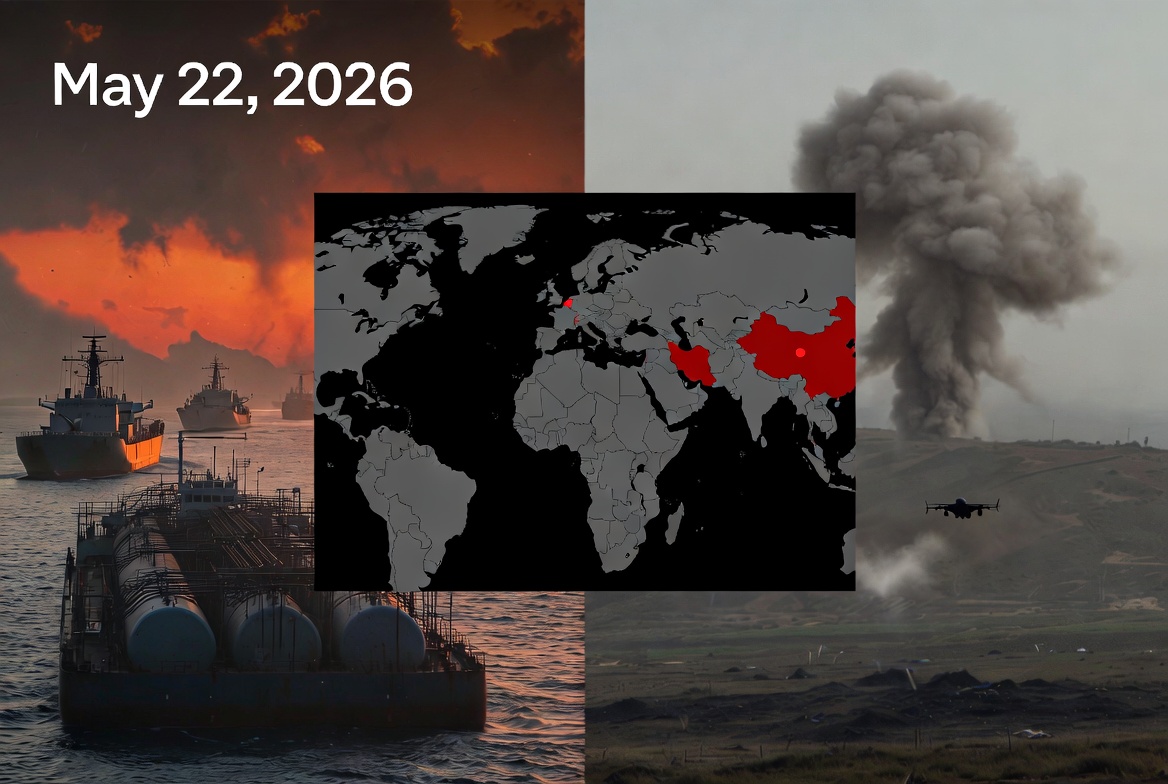
TLE DESK: Diplomatic efforts continue amid the broader 2026 Iran war fallout. A UAE official assessed a “50-50” chance of a US-Iran agreement on the Strait of Hormuz. The US voiced hope for deal progress, while Pakistan is actively mediating. Trump administration statements describe talks as “on the borderline,” with ongoing concerns over Hormuz control claims by Iran.
Oil prices remain volatile (Brent crude above $105/bbl) due to maritime risks and uncertainty. Related developments include paused Taiwan arms sales linked to the Iran situation and NATO discussions involving the US.
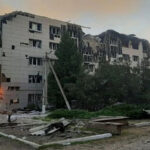
A Ukrainian attack on a Russian-occupied town reportedly killed 1 and wounded 35, according to Russian sources (May 22). Cross-border drone and missile activity persists on both sides, with Ukraine conducting long-range strikes on Russian infrastructure and Russia launching barrages against Ukrainian cities.
An Israeli strike killed 2 in south Lebanon (May 22, per Israeli military). This fits a pattern of continued limited strikes despite earlier ceasefire extensions, amid broader regional spillover from the Iran conflict.
As major powers navigate a complex web of ceasefires and escalations, diplomatic channels are working overtime to contain conflicts in the Middle East while the Russia-Ukraine war shows no signs of abating.
In the Persian Gulf, hopes for de-escalation in the US-Iran standoff flickered today. A senior UAE official indicated a roughly even chance of reaching an agreement regarding the strategically vital Strait of Hormuz, a chokepoint that has seen heightened tensions. US officials expressed optimism about progress in talks, heavily mediated by Pakistan, though President Trump has described negotiations as remaining on a “borderline” status.
These developments come against the backdrop of the wider 2026 Iran conflict, which has disrupted global energy markets and drawn in multiple regional actors. Related moves include the US pausing certain arms sales and NATO allies consulting on the situation.
Meanwhile, in Eastern Europe, fresh reports emerged of a Ukrainian strike on a Russian-occupied area resulting in one death and 35 injuries, according to Moscow. This incident underscores the grinding nature of the conflict, where both sides continue long-range strikes targeting infrastructure and military positions despite periodic ceasefire proposals.
In the Levant, Israeli forces carried out a strike in southern Lebanon that killed two people, as confirmed by the Israeli military. Such actions persist even as broader ceasefire frameworks between Israel and Hezbollah have seen extensions, highlighting the fragility of arrangements in the region.
Broader Context: These conflicts continue to strain international relations, with ripple effects on energy prices, refugee flows, and global security architecture. Analysts note that while diplomatic momentum exists—particularly around Iran-Hormuz issues—trust deficits and tactical incidents on the ground risk derailing progress.
Markets reacted with caution, as evidenced by oil price fluctuations. Humanitarian concerns remain high across all theaters, with calls for sustained mediation to prevent further escalation.