


















Sri Lanka hikes cooking gas prices amid global energy pressures
TLE DESK: Sri Lanka has increased the price of cooking gas by up to 23 per cent, as authorities grapple with rising global energy costs linked to the ongoing conflict involving Iran.
The latest price revision, announced on Monday, marks the second increase in recent weeks, following an earlier eight per cent hike in March. Officials attribute the surge primarily to escalating international prices of liquefied petroleum gas (LPG) and higher shipping costs driven by instability in the Middle East.
Sri Lanka, which depends entirely on imports for oil and also purchases coal for electricity generation, remains particularly vulnerable to fluctuations in global energy markets. The government has already warned that a prolonged conflict in the region could jeopardise its fragile recovery from the severe economic crisis of 2022.
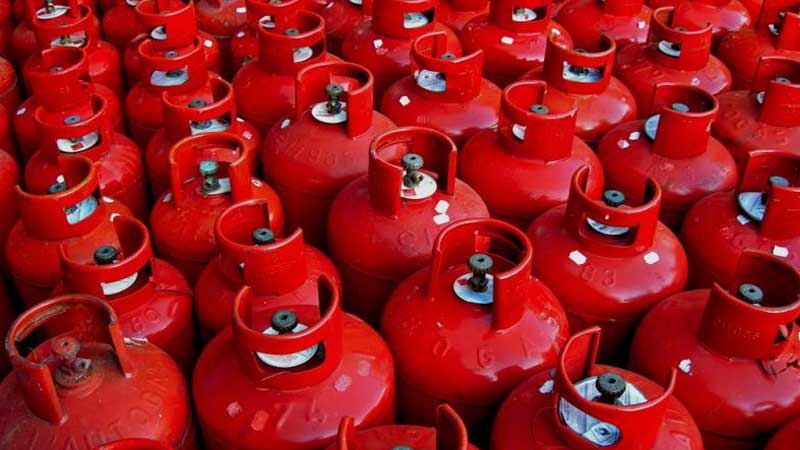
A private sector supplier, responsible for roughly a quarter of the domestic LPG market, has raised its retail price by 23 per cent, taking the cost of a standard cylinder to 5,700 rupees from 4,630 rupees. Meanwhile, state-owned Litro Gas Lanka Limited, the country’s primary distributor, has increased the price of a 12.5-kilogramme cylinder by 19.42 per cent, from 3,990 rupees to 4,765 rupees.
A spokesperson for Litro assured consumers that sufficient supplies are available for the month of April, despite the price adjustments. However, the upward revision underscores the mounting pressure on domestic energy costs.
The recent hikes follow broader increases in fuel and electricity tariffs last month, which rose by more than one-third.
These adjustments came in response to surging global energy prices after military actions involving the United States and Israel and subsequent retaliatory strikes heightened tensions in the region.
Particular concern has centred on the Strait of Hormuz, a crucial global transit route through which approximately one-fifth of the world’s oil and gas supplies typically pass. The effective closure of the strait since the outbreak of the conflict has further constrained supply chains and driven up costs worldwide.
Economists warn that continued volatility in global energy markets could place additional strain on Sri Lanka’s economy, complicating efforts to stabilise prices and sustain recovery.