
















US, Ukraine and Europe seek peace proposal
Miami talks focus on security guarantees, grain exports and reconstruction, while Washington’s easing of restrictions on Russian fuel raises questions over sanctions and support for Kyiv.
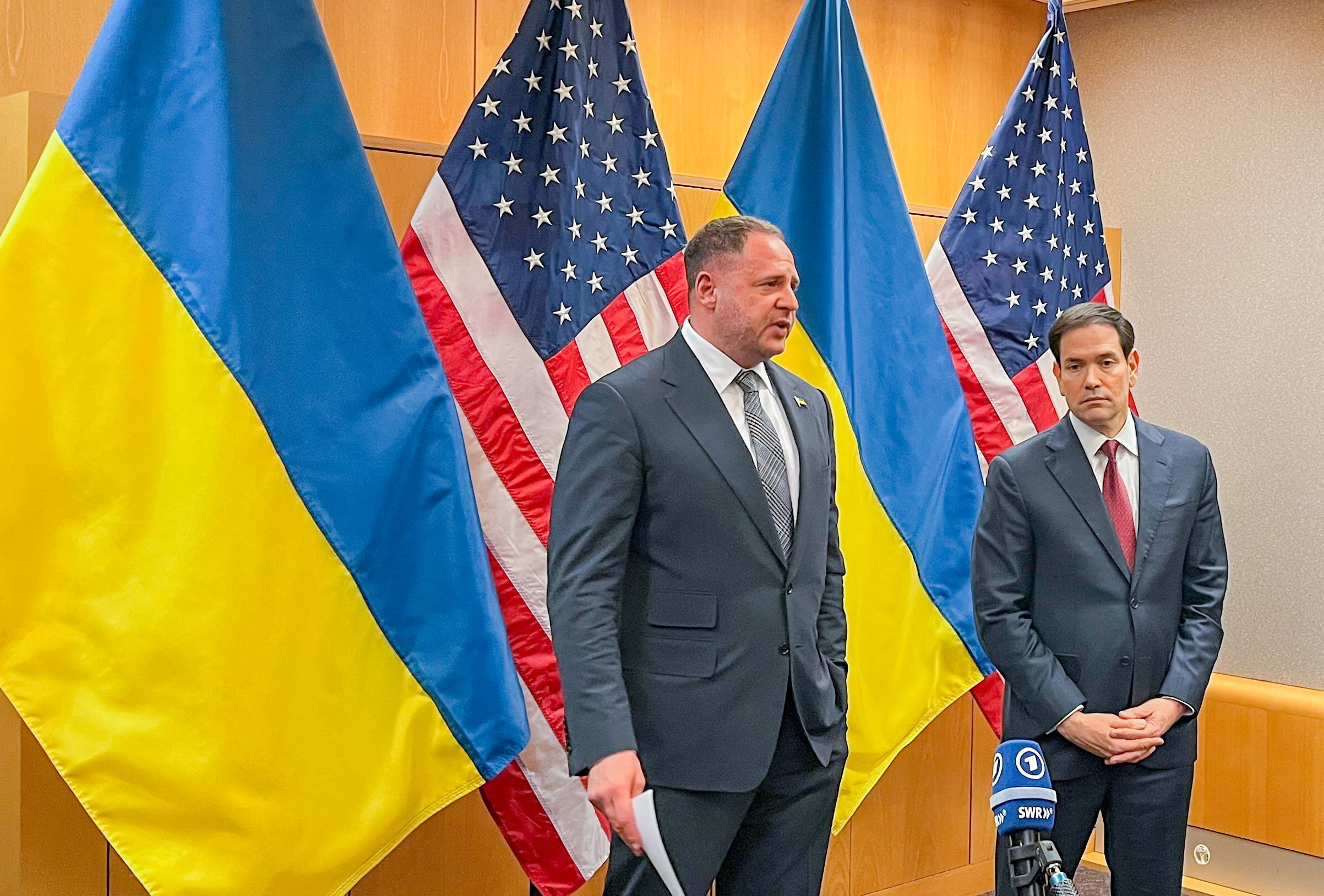
US, Ukrainian and European officials have held talks in Miami to develop fresh proposals for ending Russia’s war against Ukraine, as the approaching winter increases pressure to protect energy infrastructure and reach a diplomatic settlement.
The negotiations brought together US President Donald Trump’s envoys, Steve Witkoff and Jared Kushner, with Ukrainian representatives and European officials. Discussions covered security guarantees, energy resilience, grain exports, Ukraine’s post-war reconstruction and its potential accession to the European Union. No breakthrough was announced following the meeting.
According to Reuters, the six-hour discussions were intended to help the parties develop a common proposal that could be presented to Moscow in the coming weeks. The diplomatic effort comes amid persistent disagreement over territorial control and the security arrangements needed to prevent a renewed conflict.
The talks coincided with Trump’s announcement that Russia would supply more than 300,000 tonnes of diesel to US and global markets, followed by additional shipments. The US Treasury Department subsequently issued a temporary licence easing restrictions on Russian diesel supplies. The precise commercial arrangements and the extent of the proposed deliveries remain important questions.
The timing has introduced a competing economic consideration into Washington’s approach to the war. The administration is seeking to address elevated fuel prices while continuing to pursue a settlement with Moscow. However, easing restrictions on Russian energy exports could generate revenue for a country whose invasion of Ukraine prompted the sanctions regime in the first place.
An Associated Press report noted that energy analysts questioned whether the additional diesel would significantly reduce prices, given wider supply constraints and global refining capacity. The commercial impact therefore remains uncertain, even as the policy carries diplomatic significance.
Ukrainian President Volodymyr Zelensky has criticised the diesel arrangement, arguing that revenue from Russian energy exports ultimately supports Moscow’s war effort. His position highlights a central tension in the negotiations: measures designed to ease economic pressure on consumers may conflict with Kyiv’s objective of restricting the resources available to Russia.
The territorial dispute remains another major obstacle. Moscow has insisted on control over the entire Donbas region, including areas still held by Ukraine, while Kyiv has rejected surrendering its territory. Russia continues to occupy roughly one-fifth of Ukraine, making the question of territorial concessions inseparable from any proposed settlement.
US Secretary of State Marco Rubio has warned that a prolonged stalemate could lead to escalation, including risks extending beyond Ukraine. The Miami discussions also addressed longer-term security arrangements for Ukraine and Europe, suggesting that the negotiations involve not only ending the current fighting but also defining the conditions for future stability.
With winter approaching, the immediate challenge is to translate diplomatic discussions into proposals acceptable to Kyiv, Moscow and their respective partners. The Russian diesel arrangement may offer Washington an economic lever, but it also illustrates the difficulty of balancing energy affordability, sanctions policy and the security of a country still fighting an invasion.
For now, the Miami meeting represents renewed diplomatic activity rather than evidence of an imminent peace agreement. Its significance will depend on whether the emerging proposals can bridge the territorial and security disputes that have repeatedly stalled negotiations.
