
















UN Security Council to Vote on Weakened Hormuz Strait Resolution Amid Rising Tensions
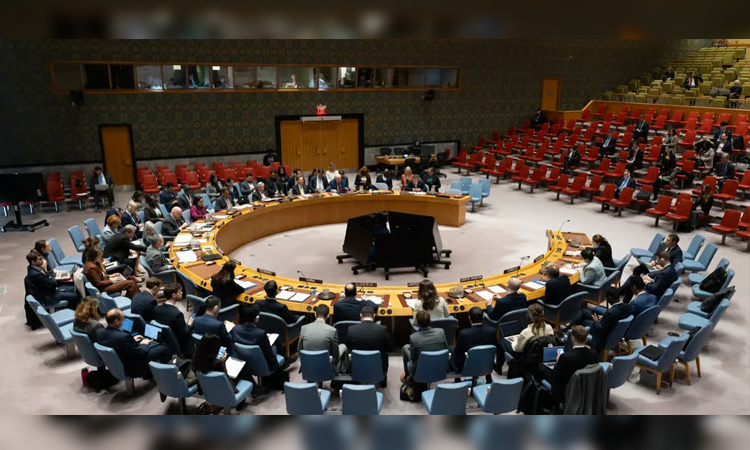
TBT DESK: The United Nations Security Council is set to vote today on a significantly diluted resolution concerning Iran’s actions in the Strait of Hormuz, following days of intense diplomatic negotiations and mounting geopolitical strain.
According to diplomatic sources, earlier, more forceful drafts of the resolution were scaled back after facing strong resistance from several permanent members of the Council, raising the likelihood of vetoes. The vote, originally expected last week, has been postponed multiple times as negotiations continued behind closed doors.
The developments come in the wake of escalating conflict in the Middle East. Since 28 February, Iran has effectively imposed a blockade on the strategically vital Strait of Hormuz after military operations were launched by the United States and Israel. The move has sent shockwaves through global markets, given the strait’s critical role in international oil and gas shipments.
The initial proposal, led by Bahrain with backing from Gulf oil-producing nations, sought to grant explicit United Nations authorisation for the use of force to ensure the reopening of the waterway. However, the current draft stops short of endorsing military action.
Instead, the revised text calls on Iran to cease attacks on commercial shipping and to refrain from any actions that would hinder freedom of navigation. It urges member states to work together in a “defensive” capacity, including escorting merchant vessels where necessary, to maintain safe passage through the strait.
The draft further encourages coordinated international efforts to deter any attempts to obstruct maritime transit, while signalling the Council’s willingness to consider additional measures against those who threaten navigation rights.
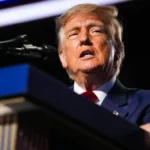
Today’s vote is scheduled for 11:00 a.m. local time in New York (1500 GMT), amid heightened urgency. The timing coincides with a looming deadline set by former US President Donald Trump, who has warned of potential strikes targeting Iran’s infrastructure if an agreement is not reached.
As tensions remain high, the outcome of the vote is expected to carry significant implications for regional stability and the global economy.