


















Vietnam’s semiconductor trade surges as Asia-Pacific supply chains expand
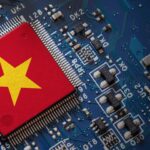
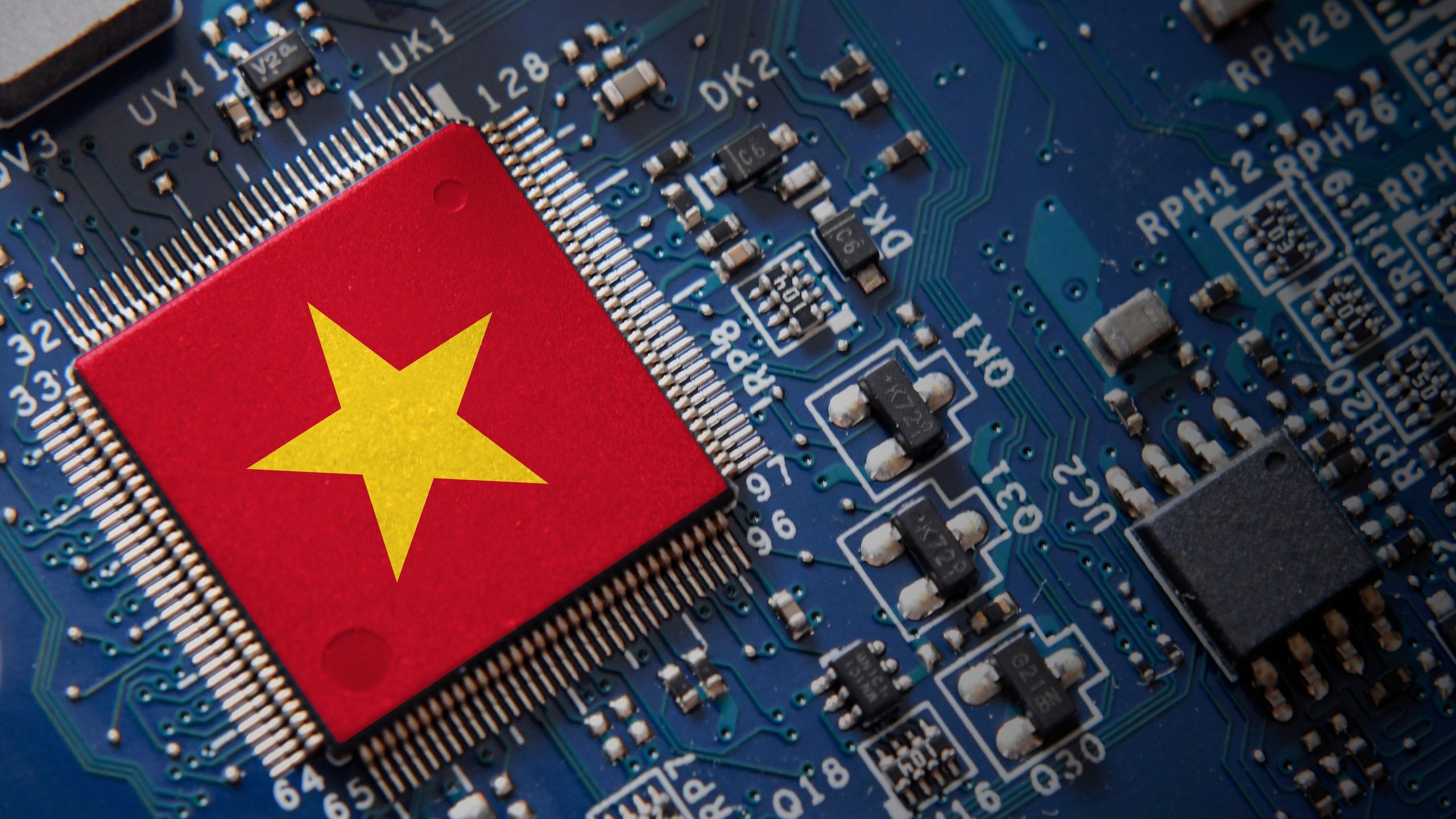
Vietnam’s semiconductor exports grew at an annualised rate of 31.8% between 2006 and 2025, highlighting the country’s expanding role in regional electronics manufacturing as AI demand raises the stakes for reliable cross-border logistics.
Vietnam is strengthening its position in Asia-Pacific semiconductor supply chains as rising demand for artificial intelligence (AI), high-performance computing, electric vehicles and advanced communications technologies drives investment in chips and related infrastructure.
The expansion is increasing the importance of reliable international transport, shipment visibility and customs efficiency for businesses moving high-value electronic components across multiple manufacturing hubs.
A report by logistics company FedEx and research firm Frost & Sullivan, titled From AI to EVs: How APAC Semiconductors Drive the Global Innovation Map, identifies Asia-Pacific as the centre of the global semiconductor industry, accounting for approximately 58% of industry revenues.
According to the report, Vietnam’s semiconductor exports grew at a compound annual growth rate (CAGR) of 31.8% between 2006 and 2025, while imports increased at an annualised rate of 30% over the same period. The country exported US$32.4 billion worth of integrated circuits in 2023, underscoring its growing participation in international semiconductor trade.
The rapid development of AI and high-performance computing is increasing demand for advanced chips and the infrastructure required to operate them. Data centres depend not only on semiconductors but also on servers, networking equipment, cooling systems and power supplies.
The report expects more than 2,000 new data centres to be built worldwide between 2026 and 2035. If realised, this expansion would create additional demand for components that frequently move through several manufacturing, assembly and testing locations before reaching their final destinations.
Electric vehicles are another source of demand, as they generally require more semiconductors than conventional vehicles. Growth in 5G communications, the Internet of Things, consumer electronics, medical devices and industrial automation is also widening the market for chips.
These developments are making supply chains more interconnected. Delays at one stage can affect production schedules and deliveries elsewhere, increasing the commercial value of predictable transport and end-to-end shipment tracking.
Asia-Pacific’s semiconductor industry operates through specialised production centres rather than a single manufacturing location. China is a major supplier of materials and a large consumer market; Taiwan is a leading centre for advanced chip manufacturing; South Korea specialises in memory chips and advanced fabrication; and Japan supplies semiconductor equipment, materials and other production inputs.
Vietnam and other Southeast Asian economies are increasingly involved in semiconductor assembly and testing. The country’s established electronics manufacturing base, workforce and competitive operating costs are among the factors attracting investment from global technology companies.
This division of labour means that chip design, fabrication, packaging, testing and incorporation into finished products can take place across several countries. Logistics therefore plays a central role in connecting the different stages of production.
For Vietnam, maintaining dependable links with major technology and semiconductor centres across Asia and with export markets in Europe and North America will be important as its role in these networks expands.
The report also highlights risks confronting businesses operating across international supply chains. Thirty per cent of survey respondents identified geopolitical disruption as their biggest challenge to growth, ahead of rising operating costs and the complexity of cross-border trade and customs procedures.
Faster international shipping was the leading consideration for 44% of respondents when selecting logistics and supply chain partners.
These findings suggest that businesses are weighing more than freight costs when choosing transport providers. Delivery speed, reliability and shipment visibility can be especially important for high-value components and time-sensitive manufacturing operations.
However, logistics alone cannot eliminate geopolitical risks, trade restrictions or customs bottlenecks. The resilience of semiconductor supply chains also depends on the geographical distribution of production, regulatory conditions and the availability of alternative suppliers and transport routes.
FedEx said it added an outbound flight from Nội Bài International Airport in September 2025, improving connections to Asian and European markets and allowing shipments to reach those destinations one day sooner. The company also said the service improved delivery reliability for exports travelling across the Pacific to the United States and Canada.
The development illustrates how logistics providers are adjusting networks to serve increasingly complex technology supply chains. For Vietnam, stronger international connectivity could support its participation in regional production networks as semiconductor-related investment and exports grow.
Nevertheless, the reported export growth should be considered alongside the country’s import expansion. The figures show that Vietnam is becoming more deeply integrated into semiconductor trade, but they do not, by themselves, establish how much domestic value the country retains or how far it has moved into higher-value chip design and fabrication.
Vietnam’s growing semiconductor trade reflects the wider transformation of Asia-Pacific manufacturing under the influence of AI, electrification and digital infrastructure investment.
Its ability to benefit over the long term will depend not only on expanding exports and improving logistics, but also on the depth of its domestic capabilities, workforce development and the activities undertaken locally across the semiconductor value chain.
As production networks become more geographically dispersed, reliable transport will remain an important enabler. The larger strategic question is whether Vietnam can translate its expanding role in assembly, testing and electronics manufacturing into a stronger position across more technologically advanced segments of the industry.
Sources
- Asia News Network — “Vietnam’s growing role in Asia-Pacific semiconductor supply chains boosts need for reliable logistics”
- FedEx and Frost & Sullivan report, From AI to EVs: How APAC Semiconductors Drive the Global Innovation Map, as described in the supplied report carried by Viet Nam News.
