











Delhi lockdown, arrests overshadow youth protest over India’s voter-list revisions
Thousands of security personnel were deployed, metro stations shut and mobile internet suspended as the ‘Cockroach’ movement demanded the resignation of India’s chief election commissioner.
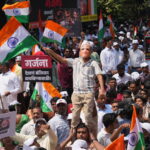
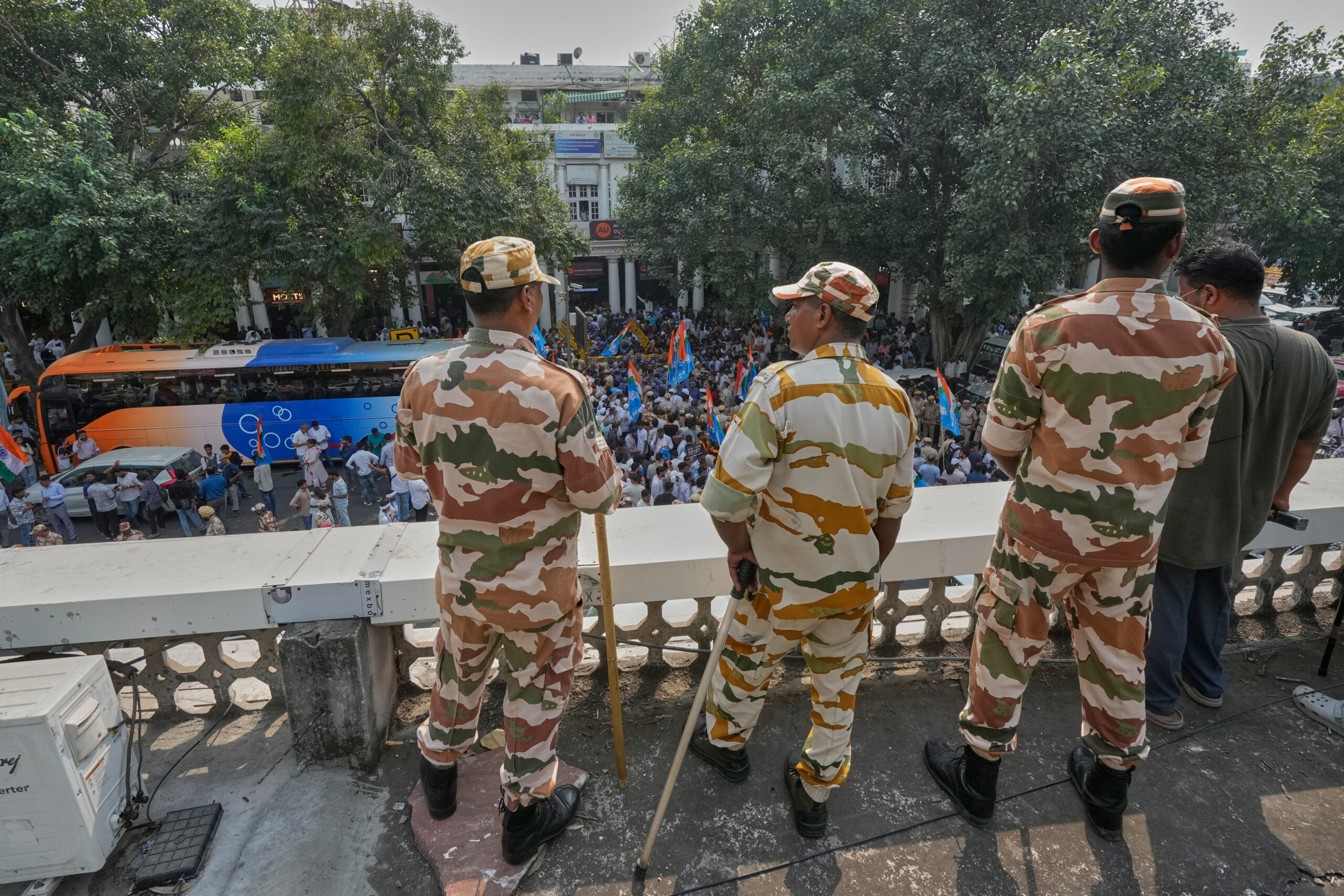
New Delhi was placed under extensive security restrictions on Saturday as authorities moved to prevent a major youth-led demonstration demanding the resignation of Chief Election Commissioner Gyanesh Kumar over a contentious revision of electoral rolls.
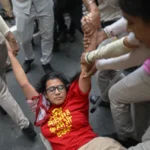
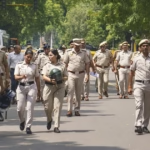
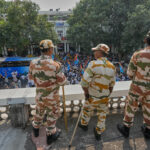
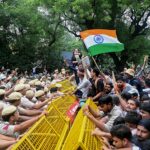
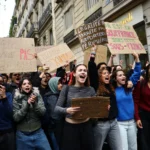
Police and paramilitary personnel patrolled central Delhi, while metro stations and markets were closed and mobile internet services suspended in affected areas. Police also detained protesters as authorities tightened checks on people entering the capital ahead of the planned rally at Jantar Mantar.
Reuters reported on 10 October that around 200 protesters had been detained in the area, according to a police source. Among those detained outside Delhi was popular YouTube personality Dhruv Rathee, a supporter of the protest, according to a police spokesperson.
The demonstration was organised by the Cockroach Janta Party (CJP), a youth movement that emerged from online satire before gaining wider attention through street protests. Its campaign, promoted under the slogan “Save Democracy”, has focused on the Election Commission’s Special Intensive Revision (SIR) of voter lists and calls for Kumar to step down.
The controversy centres on the removal of around 130 million names from electoral rolls during the verification exercise. Election Commission data cited by Reuters indicates that the deletions include approximately 63 million entries associated with people who had relocated, 30 million whose whereabouts could not be established and 28 million recorded as deceased.
The figures do not establish that all those removed were eligible voters wrongly excluded. The commission has said the reported total includes entries flagged during the draft revision process, which remains incomplete, and that voters removed in error can seek re-enrolment.
Opposition parties argue that the exercise risks excluding eligible voters and could benefit Prime Minister Narendra Modi’s Bharatiya Janata Party (BJP). The BJP and the Election Commission deny allegations of political manipulation, maintaining that the revision is intended to identify duplicate and ineligible entries.
The scale of the restrictions has nevertheless added another dimension to the dispute. Police said the planned demonstration had not been authorised and warned that violations of public-order restrictions could result in legal action. Organisers, however, maintained that protesting was their constitutional right.
The CJP’s rise has also given the controversy a generational dimension. The movement previously attracted attention through a campaign against examination paper leaks that culminated in the resignation of the education minister. Its latest mobilisation has brought online political satire into a debate over electoral administration, institutional independence and public accountability.
The timing is significant, with several Indian states due to hold elections in 2027. Opposition parties have alleged that voter deletions affected the outcome of some recent state contests, although those allegations remain disputed. The electoral-roll controversy is therefore unfolding ahead of another important period in Indian politics.
The central question now extends beyond the protest itself: how can election authorities demonstrate that a nationwide voter-verification exercise is accurate, transparent and open to meaningful appeals? The answer will matter not only to the protesters but also to public confidence in the electoral process.
For now, the Delhi restrictions have placed competing democratic concerns in sharp focus: the state’s responsibility to maintain public order, citizens’ right to peaceful assembly and the need for credible safeguards to ensure that eligible voters are not excluded from elections.
