












Delhi locked down as police detain protest leaders over voter-roll dispute
Security restrictions disrupt transport and communications as youth-led demonstrators demand the election chief’s resignation over disputed voter-list revisions
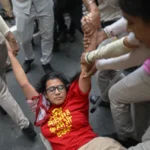
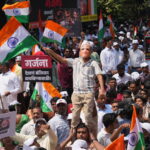
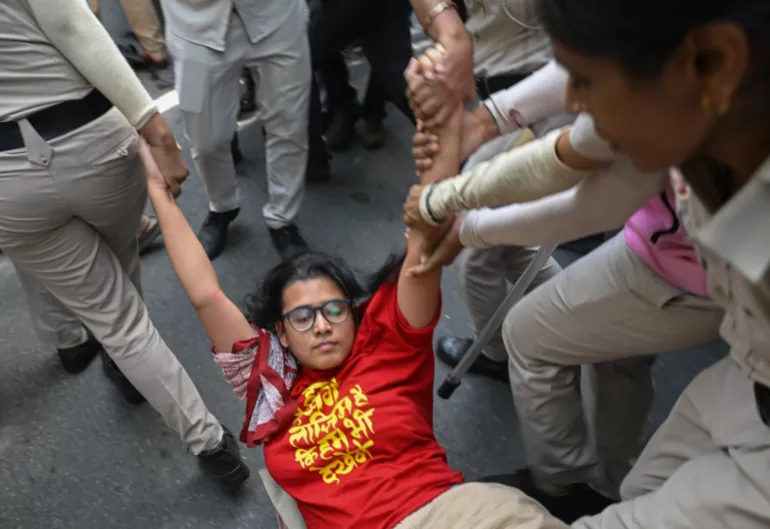
Indian authorities detained protest leaders and hundreds of demonstrators in New Delhi on Saturday as extensive security restrictions disrupted movement around the capital’s central protest district. The demonstration was called by the youth-led Cockroach Janta Party (CJP), which is demanding the resignation of Chief Election Commissioner Gyanesh Kumar over alleged irregularities in the revision of electoral rolls.
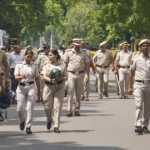
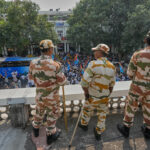
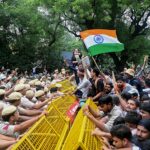
Reuters, the BBC and other international media reported that police detained CJP founder Abhijeet Dipke and other activists as protesters attempted to reach Jantar Mantar, the designated protest site. Authorities had refused permission for the demonstration and deployed police and paramilitary personnel across key areas of the capital.
The dispute centres on the Election Commission’s Special Intensive Revision (SIR) of voter lists. Critics allege that the process has removed around 130 million names and could disenfranchise eligible voters, with opposition groups questioning whether the revisions are politically impartial. The Election Commission says the exercise is intended to remove duplicate and ineligible entries, while the ruling Bharatiya Janata Party (BJP) has rejected accusations of political manipulation.
Security measures included barricades, transport disruptions and restrictions on mobile internet access, according to media reports. Dozens of metro stations were reported closed, while some train services were cancelled and road access to central Delhi was restricted. Reports differed on the exact number of stations affected.
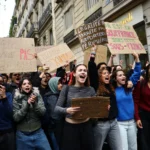
The crackdown extended beyond the capital. Media reports described related demonstrations and detentions in other Indian cities, reflecting the growing reach of opposition to the voter-roll revision process.
The scale of the operation has raised questions about the balance between public order and the right to peaceful assembly. Police had not authorised the rally, while protesters maintained that they were seeking accountability from the country’s top election official.
The controversy has become a wider test of public confidence in India’s electoral institutions. The SIR process is officially presented as an effort to improve the accuracy of voter lists, but opposition parties and civil society groups have demanded greater transparency over how names are removed and how eligible voters can challenge deletions.
The reported figure of 130 million removed names requires careful interpretation: it refers to voter-list deletions reported in connection with the revision process, not a verified count of eligible voters unlawfully disenfranchised. Establishing the number of eligible voters wrongly removed—and whether deletions disproportionately affected particular communities or political constituencies—requires detailed, independently examined data.
The BJP has accused opposition groups of attempting to destabilise the country, while the Election Commission has denied wrongdoing. Those competing claims make transparent publication of the revision data and accessible appeals procedures central to resolving the dispute.
With further state elections approaching, the controversy could deepen political tensions unless authorities provide credible answers about the process. Saturday’s detentions may have prevented a large gathering in central Delhi, but they have not settled the underlying question: whether the revision of electoral rolls is being carried out transparently and with adequate safeguards for eligible voters.
Sources: Reuters, 10 October 2026; BBC and Al Jazeera reporting; Election Commission of India.
