














Middle East war fuels global energy shock, warns WEF analysis
TLE DESK: The ongoing Middle East conflict involving the United States and Iran is triggering a wide-ranging energy shock that is reshaping global oil markets, inflation trends, and economic stability, according to analysis and policy briefings from the World Economic Forum.
The crisis, centered on disruptions in and around the Strait of Hormuz, has already caused sharp volatility in crude oil prices, disrupted global shipping flows, and forced governments across Asia, Europe, and the Middle East to intervene with emergency energy measures.
Oil chokepoint disruption driving price instability
The Strait of Hormuz — through which roughly one-fifth of global oil and liquefied natural gas trade passes — has become the central pressure point of the conflict.
According to WEF analysis, disruptions in this corridor are not only affecting crude exports but also increasing shipping costs, insurance premiums, and supply chain risks across global industries. (World Economic Forum)
Even partial interruptions have caused sharp swings in oil prices, with markets reacting rapidly to both military developments and diplomatic signals. Recent volatility has seen Brent crude fluctuate significantly, reflecting uncertainty over whether a lasting ceasefire or escalation will follow.
Asia most exposed to energy shock
WEF research highlights that Asian economies are among the most vulnerable to the crisis, as they rely heavily on Middle Eastern imports for both oil and gas.
Countries such as India, Bangladesh, and Pakistan depend significantly on LNG shipments routed through the Strait of Hormuz, while major economies like China, Japan, and South Korea also rely on the corridor for crude imports. (World Economic Forum)
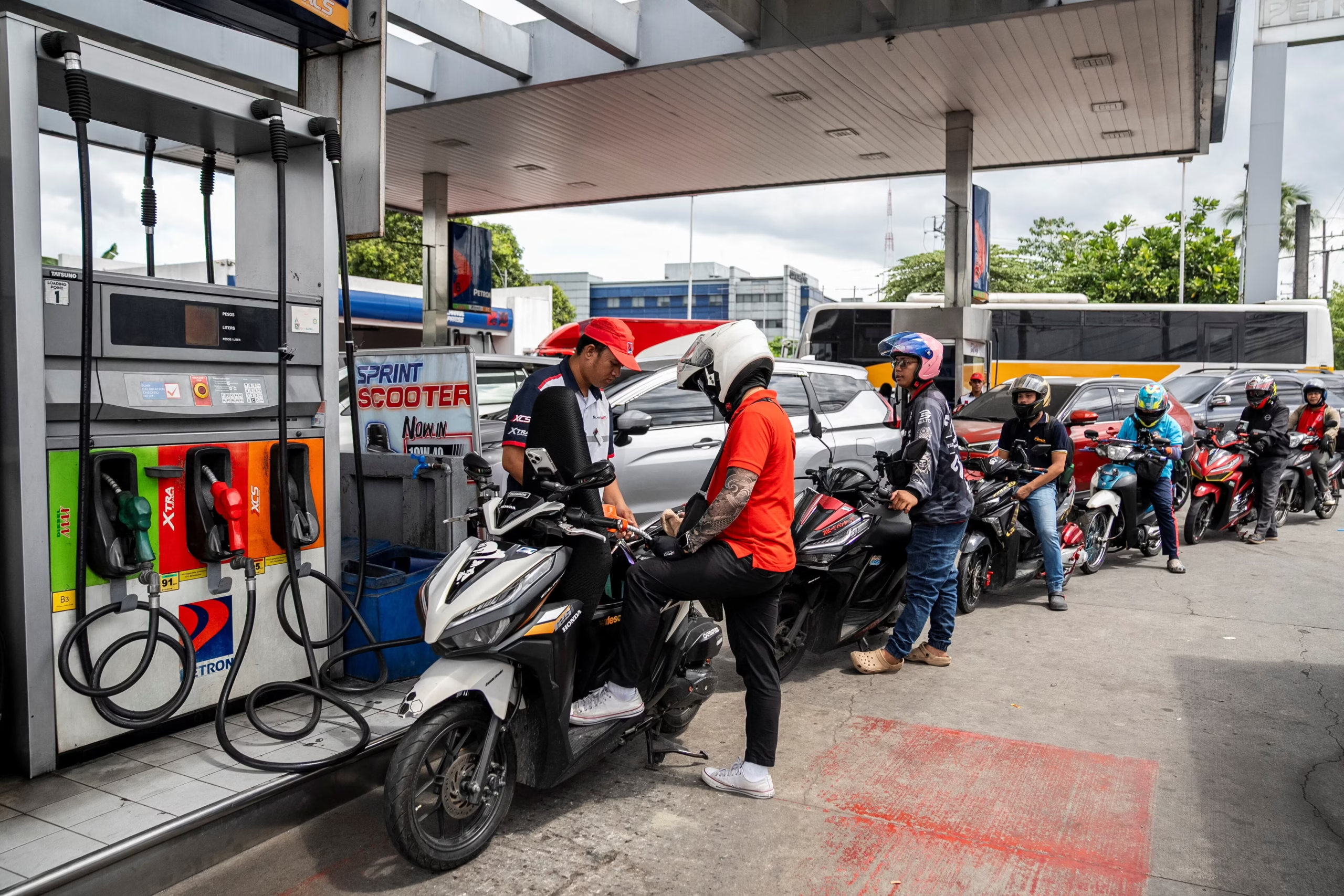
This exposure has led to rising fuel import costs, pressure on foreign exchange reserves, and policy responses including energy conservation measures and efforts to diversify supply sources.
Inflation and growth risks rising globally
The energy shock is feeding directly into inflationary pressures worldwide, as higher oil prices increase transport, manufacturing, and food costs.
Analysts cited by the WEF warn that prolonged disruption could reduce global growth prospects, especially in import-dependent economies already facing tight fiscal conditions. Governments are increasingly balancing short-term consumer protection measures with long-term energy transition goals. (World Economic Forum)
Strategic responses from governments
In response to the crisis, countries are adopting a mix of emergency and structural measures, including:
- Strategic petroleum stockpiling and reserve releases
- Fuel subsidies and price caps to shield consumers
- Accelerated diversification of energy imports
- Increased investment in renewable energy and domestic production
Some Asian governments have also declared energy emergencies and introduced conservation policies to manage supply pressure. (World Economic Forum)
Long-term implications for global energy system
The WEF notes that the crisis is reinforcing a broader shift in global energy geopolitics, where energy security is increasingly treated as a national security priority.
While the short-term effect is higher reliance on fossil fuels to stabilize markets, the long-term impact may accelerate investment in renewable energy and alternative supply chains, particularly in Asia.
However, policymakers face a difficult trade-off: immediate economic stability versus long-term decarbonisation goals.
Outlook
The World Economic Forum analysis concludes that the Middle East conflict is not only a regional security crisis but also a structural shock to the global energy system, with effects likely to persist even if a ceasefire is reached.
With oil markets already volatile and supply routes still under pressure, global economic conditions are expected to remain unstable in the near term, particularly for energy-importing economies.