













Hezbollah rejects Israel-Lebanon deal as disarmament clause clouds path to peace
TLE DESK: A newly signed framework agreement between Israel and Lebanon aimed at ending months of cross-border fighting has encountered its first major obstacle, with Hezbollah firmly rejecting provisions requiring the group to disarm before Israeli forces withdraw from Lebanese territory.
The agreement, signed in Washington on Friday with US mediation, links a phased Israeli military withdrawal from southern Lebanon to the disarmament of the Iran-backed armed group. Hezbollah leader Naim Qassem on Saturday dismissed the accord as a “humiliation” and vowed that the group would continue fighting until Israeli troops leave Lebanon.
“Linking Israel’s withdrawal to Hezbollah’s disarmament is a very dangerous suggestion,” Qassem said, declaring that the agreement held no legitimacy from the group’s perspective.
The deal marks the latest attempt to end hostilities that have claimed more than 4,000 lives in Lebanon since fighting intensified in March after Hezbollah opened a front against Israel following the outbreak of the Iran war. Several previous ceasefire arrangements between the two countries failed to produce lasting peace.
Despite the diplomatic breakthrough, violence continued on Saturday. Lebanon’s state news agency reported an Israeli drone strike near the southern city of Nabatiyeh, while Israeli authorities released three Lebanese and three Syrian workers detained near the border village of Ain Arab.
According to details released by the US State Department, the agreement envisions an eventual end to the state of war that has existed between Israel and Lebanon since 1948. Under the framework, Israel would initially withdraw from two designated pilot zones, with the Lebanese army gradually assuming security control before additional withdrawals are negotiated.
A confidential security annex reportedly outlines the deployment of Lebanese forces and the redeployment of Israeli troops, although its contents have not been made public.
Israeli Prime Minister Benjamin Netanyahu said Israeli forces would remain in southern Lebanon until Hezbollah and other armed groups are fully disarmed and no longer pose a threat to northern Israel.
Defence Minister Israel Katz said the military had already begun preparations for an extended deployment in the area, while confirming that one of the agreed pilot zones had already been vacated.
The agreement has also drawn strong criticism from within Lebanon. Hezbollah lawmaker Hassan Fadlallah warned that any attempt by the Lebanese army to forcibly disarm the group could trigger civil conflict.
In response to growing tensions, Lebanon’s chief public prosecutor, Judge Ahmed Rami al-Hajj, instructed security agencies to take preventive measures against possible unrest following protests by Hezbollah supporters in Beirut.
Public reaction to the accord has been mixed on both sides of the border.
Some Israeli residents questioned whether the Lebanese military possesses the capacity to prevent Hezbollah from rebuilding its military presence once Israeli troops withdraw.
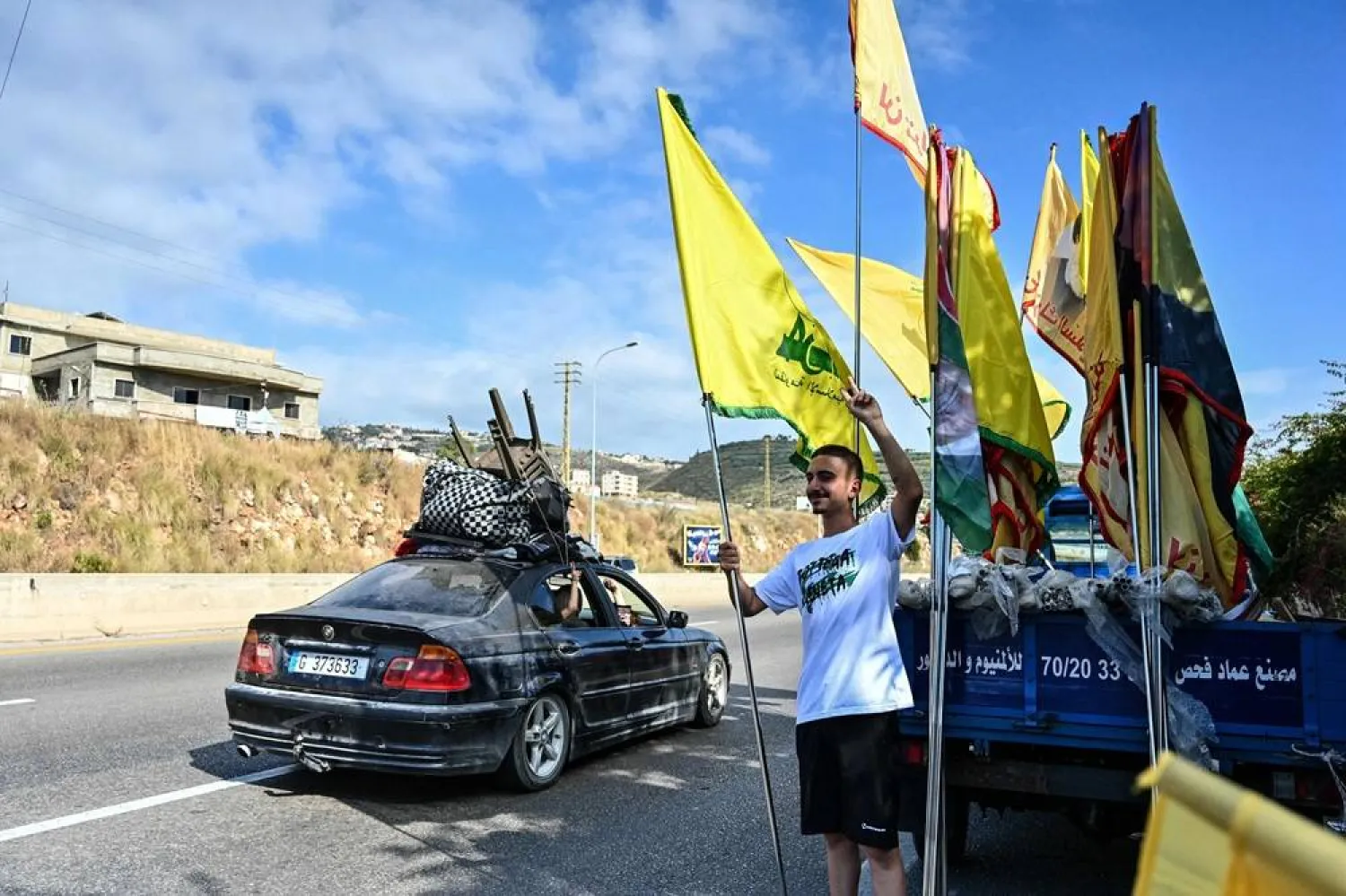
In Lebanon, while some citizens welcomed the prospect of stability after months of conflict, others argued the agreement effectively legitimises Israel’s continued military presence in parts of southern Lebanon.
The framework also includes financial provisions aimed at preventing funding for non-state armed groups. Lebanon and the United States pledged to block financial flows to organisations affiliated with armed militias, while reconstruction assistance would be prohibited from reaching such groups.
With Hezbollah refusing to accept the disarmament condition and Israeli leaders insisting that withdrawal depends upon it, analysts say implementation of the agreement faces significant political and security challenges despite being presented as the first formal step toward a broader peace process.