







Tanker ablaze in Strait of Hormuz after projectile strike as Iran mourns Khamenei
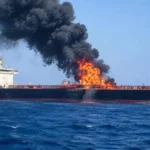
TLE Desk: A liquefied natural gas tanker caught fire in the Strait of Hormuz early Tuesday after being struck by a projectile, in the latest attack on commercial shipping through the strategic waterway amid heightened tensions between Iran and the United States.
The United Kingdom Maritime Trade Operations (UKMTO) said the vessel was hit on its port side near Limah, Oman, while travelling south towards the Gulf of Oman. Authorities said the blaze caused no environmental damage and an investigation was under way.
Iranian state television reported that the tanker had ignored official warnings before coming under attack, but Tehran stopped short of formally claiming responsibility. Iran has repeatedly insisted that only shipping routes approved by its authorities are safe and has previously been accused of targeting vessels using alternative routes closer to Oman’s coastline.
The incident comes as Washington seeks to revive negotiations with Tehran aimed at fully reopening the Strait of Hormuz, curbing Iran’s nuclear programme and securing a permanent end to the conflict that began on February 28.
However, recent attacks on commercial vessels have repeatedly threatened to derail diplomatic efforts. Previous maritime incidents triggered US retaliatory strikes, prompting Iranian attacks on Gulf Arab states and raising fears of a wider regional conflict.
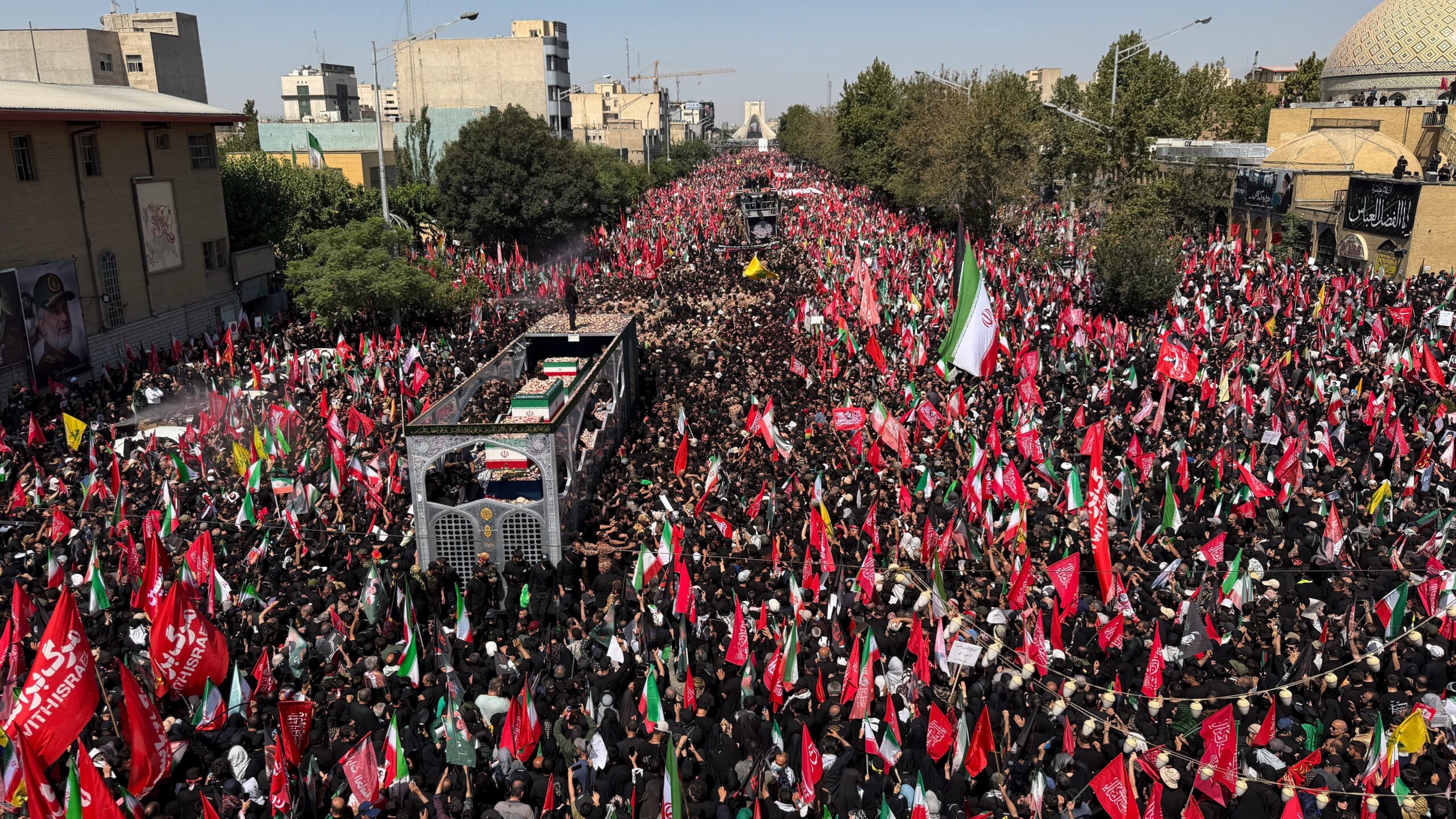
Negotiations remain effectively suspended while Iran completes funeral ceremonies for late Supreme Leader Ayatollah Ali Khamenei, who was killed during the war. During the mourning period, crowds attending funeral events have chanted anti-American slogans, including calls for the death of US President Donald Trump.
Iranian authorities on Tuesday transferred Khamenei’s body to the holy city of Qom, where hundreds of thousands of mourners gathered at Jamkaran Mosque for funeral prayers. Images of Khamenei and his successor, Ayatollah Mojtaba Khamenei, were displayed throughout the ceremony, although the new supreme leader has yet to appear publicly and is believed to be in hiding after reportedly being wounded in the strike that killed his father.
Last week, Iran’s joint military command warned that all oil tankers passing through the Strait of Hormuz must use routes approved by Tehran, cautioning that any US interference would provoke a “rapid and decisive reaction”.
Speaking at the White House on Monday, President Trump urged Iran to reach a negotiated settlement.
“I’d rather make a deal,” Trump said, warning that the United States retained overwhelming military capabilities if diplomacy failed.
Under an interim agreement, Iran and the United States had temporarily allowed ships to transit the strait without paying passage fees. Tehran, however, has insisted that it should ultimately regulate shipping routes and collect transit charges, a proposal rejected by Washington and Gulf Arab states.
Earlier efforts by Oman and a United Nations-backed maritime initiative to establish an alternative shipping corridor near Oman’s coast also heightened tensions, triggering attacks across the region.
According to maritime intelligence firm Kpler, at least 108 vessels transited the Strait of Hormuz over the weekend using multiple routes.
Iran has imposed extensive security measures during the week-long mourning period, closing roads and airspace ahead of Khamenei’s burial later this week at the Imam Reza shrine in Mashhad, his birthplace.