
















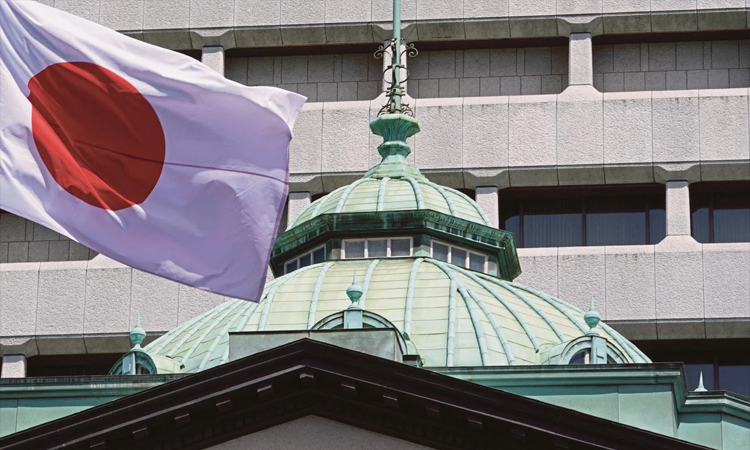
Bank of Japan seen hiking rate to highest since 1995
TLE DESK: The Bank of Japan is widely expected to raise interest rates to a 31-year high on Tuesday as it grapples with inflation triggered by the recent Middle East conflict, even after the United States and Iran reached a peace agreement. The central bank for the world’s fourth-largest economy is projected to increase its benchmark rate for the first time since December to 1.0 percent, the highest level since 1995. The decision is anticipated to be announced around midday.
This move follows recent rate hikes by the European Central Bank and Bank Indonesia last week. With US inflation at a three-year high, expectations are rising that the Federal Reserve may follow suit, though not at new chair Kevin Warsh’s first meeting this week. Officials at the Reserve Bank of Australia and the Bank of England are expected to hold rates steady in their upcoming decisions.
The United States and Iran agreed over the weekend to end their three-month Middle East war and reopen the Strait of Hormuz, through which about one-fifth of global oil passes. The accord is set to be signed in Switzerland on Friday. However, analysts note that normalizing trade flows and easing supply bottlenecks will take considerable time.
Japan, which relied on the Middle East for around 90 percent of its crude oil before the war began on February 28, has faced compounded challenges from a sharply weaker yen driven by higher oil prices and interest rate differentials with the US. The Japanese government spent approximately 11.7 trillion yen ($72 billion) last month to support the currency.
Economists stress the urgency of action. Shigeto Nagai, head of Japan economics at Oxford Economics, said the BoJ “can’t delay increasing its policy rate,” warning that inaction would disappoint markets and invite further yen depreciation. Market attention will also focus on any announcement regarding the winding down of the bank’s bond-buying program aimed at controlling borrowing costs.
BoJ Deputy Governor Shinichi Uchida is scheduled to address the media on Tuesday afternoon after the decision, standing in for Governor Kazuo Ueda, who is hospitalized. Analysts like Ryutaro Kono of BNP Paribas note that the bank sees diminished downside risks to its economic forecasts while acknowledging potential for underlying inflation to rise further. Japan’s domestic demand remains supported by government subsidies for gasoline and energy.
The BoJ may also seek to avoid appearing overly aggressive on rate hikes to prevent friction with Prime Minister Sanae Takaichi’s administration. However, this stance could fuel internal dissent, as three of the nine board members voted against holding rates steady at the previous meeting.