













Israel, Hezbollah agree to halt fighting as Iran-US talks remain uncertain
TLE DESK: Israel and the Iran-backed Hezbollah movement have agreed to halt heavy fighting in southern Lebanon, officials said on Friday, easing fears that the violence could derail efforts to secure a broader peace agreement between Iran and the United States.
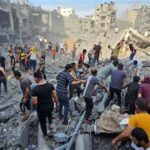
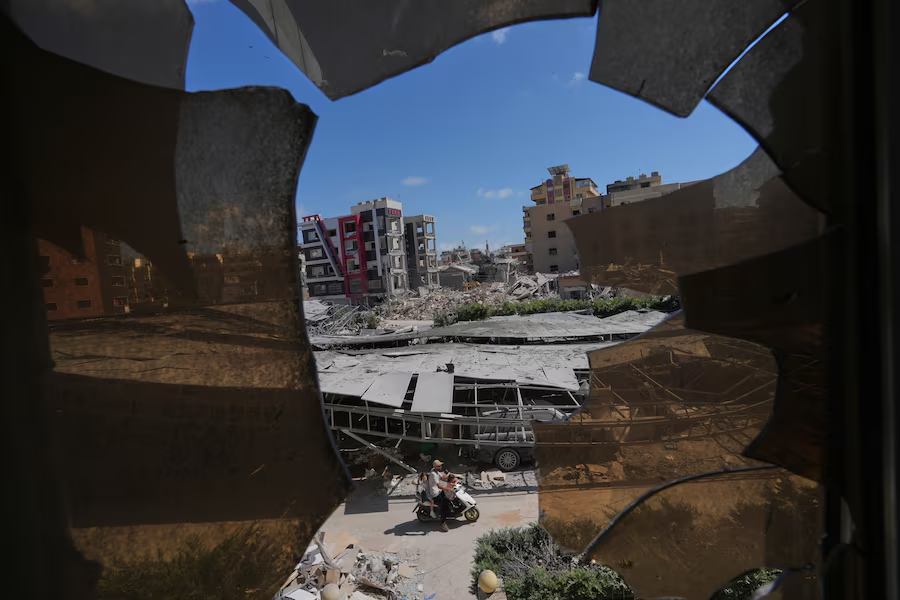
The reported truce followed one of the deadliest days of recent fighting, which left 47 people dead in Lebanon and four Israeli soldiers killed. Neither Israel nor Hezbollah immediately issued formal confirmation of the ceasefire.
The fighting had threatened to undermine an interim agreement reached earlier this week between Washington and Tehran aimed at ending their conflict and reopening negotiations over Iran’s nuclear programme.
Under the agreement, both sides are expected to work towards a wider settlement, while the reopening of the Strait of Hormuz has already eased concerns over global energy supplies.
Despite reports of a ceasefire, sporadic exchanges of fire were reported along the Israeli-Lebanese border on Friday. Israeli artillery shelling and explosions inside Lebanon were heard and seen hours after the truce was expected to take effect.
According to regional and US officials, Qatar, Iran and the United States helped mediate the effort to halt hostilities between Israel and Hezbollah.
Israeli Prime Minister Benjamin Netanyahu said Israeli forces had struck around 150 Hezbollah targets, killing dozens of militants. He reiterated that Israel would continue military operations until the threat posed by Hezbollah had been eliminated.
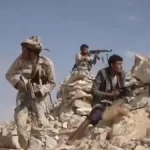
Hezbollah, meanwhile, said its attacks were carried out in response to what it described as Israeli violations and military advances in southern Lebanon.
The violence prompted both Iranian and American officials to postpone planned talks in Switzerland, where discussions were expected to focus on Iran’s nuclear programme and the next stage of negotiations.
Iran insisted that fighting in Lebanon must cease before formal talks could proceed. US Vice-President JD Vance also delayed his planned visit.
The proposed negotiations are expected to be complex, with major disagreements remaining over Iran’s nuclear activities. While Tehran insists its programme is peaceful, Western governments remain concerned about its stockpile of highly enriched uranium.
The interim agreement allows 60 days for negotiators to work towards a permanent settlement and includes provisions that could eventually lift international sanctions on Iran and unlock significant reconstruction funding.
However, analysts warn that continued instability in Lebanon and longstanding disagreements over Iran’s nuclear programme could still jeopardise efforts to secure a lasting peace.