















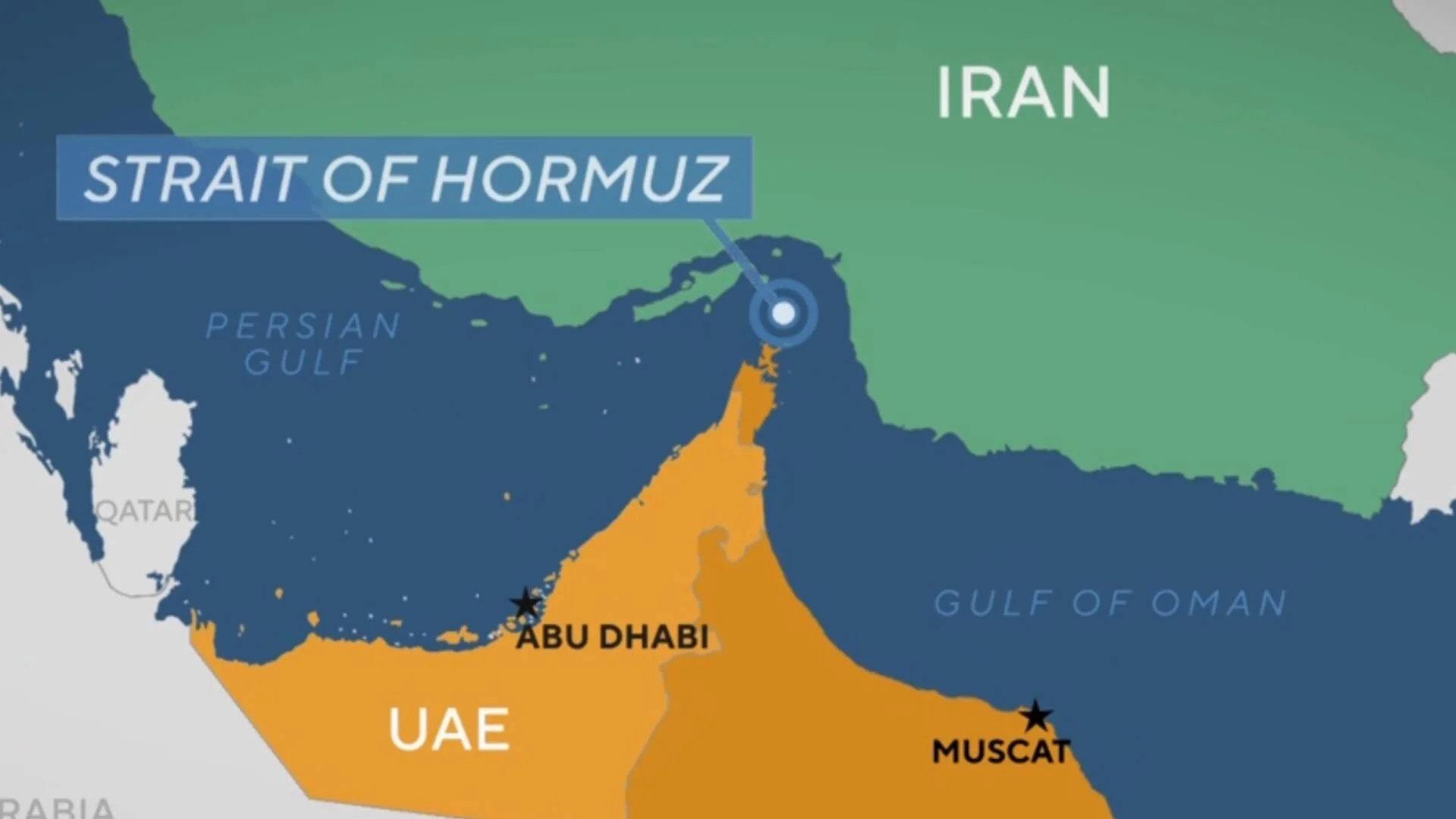
Iran closes Strait of Hormuz as US-Iran deal comes under strain
TLE Desk: Iran announced on Saturday that it was closing the Strait of Hormuz once again, citing continued Israeli military operations in Lebanon and accusing the United States of failing to uphold commitments under a recently signed agreement aimed at ending the regional conflict.
The move threatens to undermine the fragile US-Iran accord reached earlier this week, just as negotiators from both countries prepared to meet in Switzerland for a new round of talks.
Follow-up negotiations had been scheduled for Friday but were postponed after Israel launched deadly strikes in Lebanon following the deaths of four Israeli soldiers in combat.
Although Washington later announced a renewed ceasefire between Israel and Hezbollah, fighting resumed on Saturday, with both sides accusing each other of violating the truce.
In a statement, Iran’s central military command said the Strait of Hormuz would be closed to shipping traffic because of what it described as a US “breach of contract” and Israel’s continued attacks in southern Lebanon.
The Revolutionary Guards also warned vessels against approaching the strategic waterway, saying their security could be at risk.
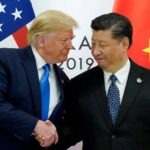
The Strait of Hormuz is one of the world’s most important energy routes, carrying a significant share of global oil and gas exports. Iran had previously blockaded the passage during the conflict, disrupting international energy markets before agreeing to reopen it under the preliminary accord signed by President Donald Trump and Iranian President Masoud Pezeshkian.
However, US Central Command said navigation through the waterway remained unaffected and that American forces were maintaining a security presence in the area.
President Trump later warned that the United States could impose its own transit charges in the strait if negotiations failed to produce a final agreement.
Meanwhile, Iranian Foreign Minister Abbas Araghchi and parliamentary speaker Mohammad Bagher Ghalibaf travelled to Switzerland for the talks. Tehran said it would demand full implementation of commitments made under the agreement.
“Otherwise, the entire understanding will be in trouble,” Iranian foreign ministry spokesman Esmaeil Baqaei said.
US Vice-President JD Vance also travelled to Switzerland, expressing hope that negotiations could advance efforts to resolve disputes over Iran’s nuclear programme and stabilise the ceasefire in Lebanon.
Pakistan and Qatar are acting as mediators in the negotiations, which are expected to launch a two-month process aimed at reaching a broader settlement.
At the same time, the ceasefire in Lebanon appeared increasingly fragile.
The Israeli military said one soldier had been killed in combat, bringing the number of Israeli military fatalities since the US-Iran agreement to five.
Israeli officials accused Hezbollah of launching more than 50 projectiles at Israeli positions overnight, while Hezbollah claimed Israeli forces had attempted to advance into strategic areas near Nabatieh in southern Lebanon.
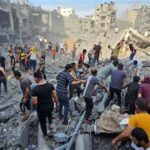
Lebanese authorities reported Israeli air strikes on multiple locations, with at least 23 people killed and several others wounded. The country’s health ministry said the overall death toll from the conflict had surpassed 4,000.
Despite orders to cease fire, both Israel and Hezbollah continued to trade accusations over responsibility for the renewed violence, raising concerns that continued clashes could jeopardise diplomatic efforts to secure a lasting regional settlement.