









Bangladesh’s garment workers keep protesting for higher pay
Bangladesh’s garment factories reopened on Monday, but clashes between police and workers demanding much higher wages broke out again in and around the capital, Dhaka, for a third straight day. The industry supplies clothes to some of the world’s best-known brands, so the unrest is being watched in boardrooms and shops far from South Asia.
For readers abroad, this is the same story that has shaped fashion supply chains before: what the people who sew clothes are paid, and who pays for a raise.
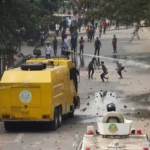
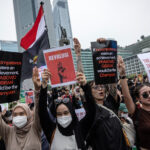
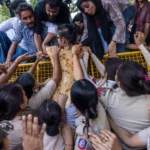
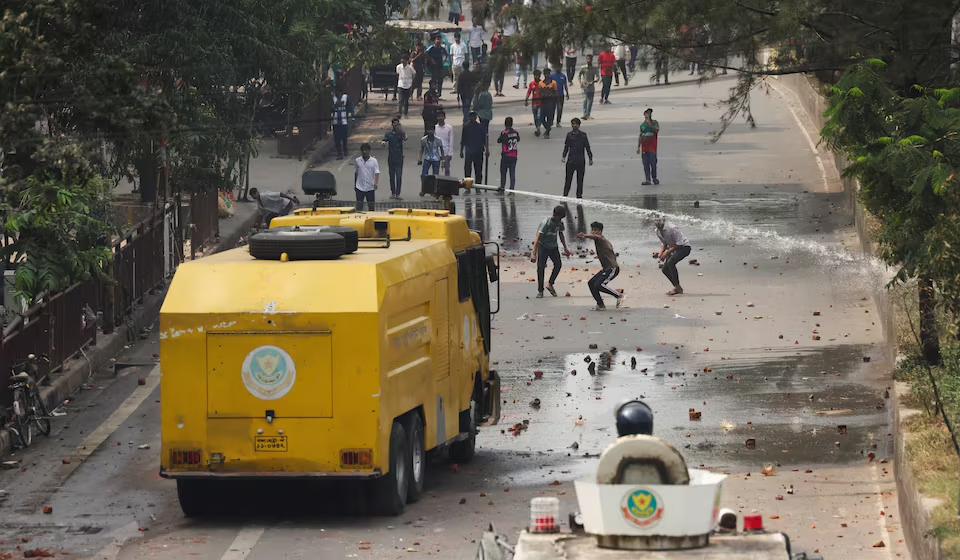
The facts, as reported by Reuters and others, are these. Workers want a minimum monthly wage of 30,000 taka, about $243, which is more than double the current minimum of 12,500 taka, about $101. They say living costs for food, housing, transport and healthcare have eaten into their pay. On Sunday, protests across Dhaka, Gazipur, Savar and Ashulia shut 529 factories and affected nearly one million workers, according to the Bangladesh Garment Manufacturers and Exporters Association (BGMEA). A breakdown reported by Business Standard puts 276 factories and about 645,000 workers in Gazipur and Mymensingh, and 185 factories and about 290,000 workers in Savar, Ashulia and Jirani. On Monday, police used tear gas against workers who tried to block roads and threw bricks and stones, fired tear gas and water cannon in Ashulia, and border guards were deployed in Gazipur.
The government’s first response was to form a six-member minimum wage board on Sunday, headed by a senior district and sessions judge, Sheikh Ashfaqur Rahman. It is meant to review wages and recommend a new pay structure, but no deadline has been announced for its recommendations, according to Business Standard. Prime Minister Tarique Rahman held an emergency meeting with ministers, told security forces to protect workers, factories and property and keep production running, and met factory owners on Monday morning. Home Minister Salahuddin Ahmed warned that anyone acting against workers’ interests “under the guise of labour protests” and trying to destabilise the country would be dealt with firmly. Bangladeshi newspaper Prothom Alo reports that 20 people linked to the Awami League and its affiliated groups, the party of the former government, were arrested in Gazipur and Mirpur. That fits the government’s framing that outside forces are involved, but I have not seen evidence for it beyond the arrests, and workers’ representatives reject the idea that the protests are not genuine.
Each side makes a case that is hard to dismiss. Babul Akhter, a workers’ representative on the wage board, said Bangladesh has among the lowest garment wages in the world, and that if owners cannot pay properly they should negotiate better prices with international buyers. The owners’ side says the demand is out of reach: BGMEA’s first vice president, Salim Rahman, called it unfeasible, with “no logical or mathematical basis.” Owners point to higher costs, energy-market uncertainty linked to the conflict in the Middle East and slowing demand in key export markets. BGMEA president Mahmud Hasan Khan urged workers to let the wage board work, and warned that factories forced to close would invoke a “no work, no pay” rule. Dhaka University economist Selim Raihan said the demand is understandable given high inflation and more unrest is possible, but a big rise could squeeze exporters’ margins and weaken competitiveness, so he favours a phased adjustment, higher productivity and fairer pricing from international buyers.
The history matters. The current 12,500 taka minimum was set in late 2023, a 56% rise from 8,300 taka, after protests in which at least three workers died, and workers rejected it as too low at the time, asking for 23,000 taka. So the new demand is not a surprise. It is a continuation of an argument that has never been settled, made sharper by price rises since then.
The stakes are large. Garments make up more than 80% of Bangladesh’s export earnings, employ about 4 million workers and account for roughly 10% of economic output. Bangladesh is the world’s second-largest apparel exporter after China, and a supplier to brands such as H&M, Zara, Walmart and Primark. Every day of lost production puts shipments and buyer confidence at risk, though I found no reports yet of brands cancelling orders. The question for those brands, and for shoppers, is whether the price paid for clothing will rise enough to fund a wage increase, or whether workers will bear the cost.
What is known and what is not: the demand, the closures, the wage board and the clashes are reported by several outlets, and I found no reports of deaths in this round. How large an increase the board will recommend, how fast, and whether workers will accept a figure well below 30,000 taka are not known. This is a news summary of an ongoing story.
Sources: Reuters, Business Standard, Al Jazeera, Al Jazeera (wage board), Reuters via Express Tribune, Reuters via Sowetan, Reuters via AsiaOne, WION, Prothom Alo, bdnews24, ANI via Asianet, Daily Excelsior (October 31) and Dawn (2023 background).
