











Iran pairs threat of unlimited retaliation, offer to reopen Strait of Hormuz in 2 days
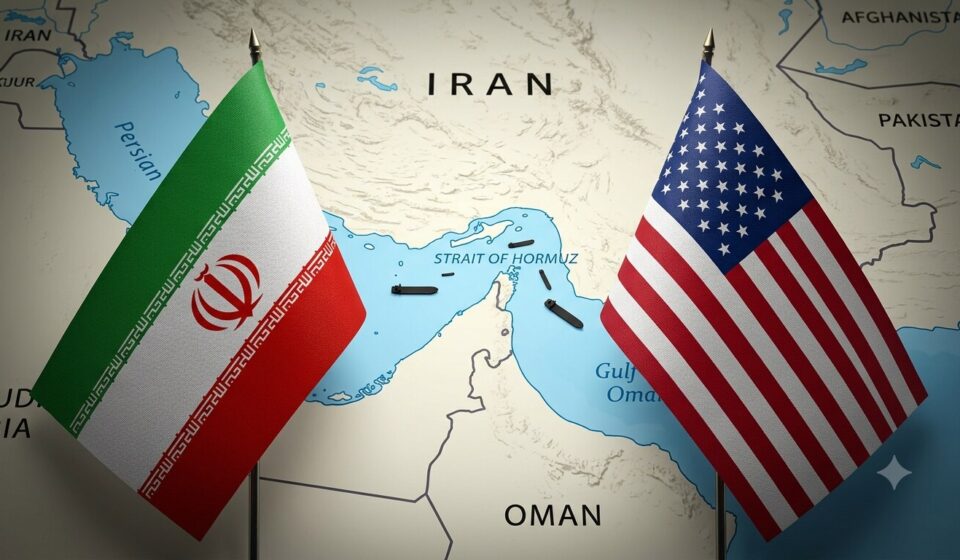
On Saturday, Iran sent two messages at once: any attack will be met with an immediate response “without geographic limits,” and a new plan could reopen the Strait of Hormuz within two days. The mixed signals come as mediators try to prevent a return to full-scale war between Iran and the United States after this week’s US midterm elections.
For readers far from the Gulf, the strait matters because about a fifth of the world’s oil and liquefied natural gas moved through it before the war, so what happens there affects fuel and food prices worldwide.
The background is a war that began on February 28 with US and Israeli strikes on Iran, which killed Supreme Leader Ali Khamenei and brought his son, Mojtaba Khamenei, to power. After the war began, Iran restricted shipping through the strait, and Washington responded with a naval blockade of Iranian ports. The standoff has lasted for months. Iran offered a seven-day plan to reopen the waterway in September in return for lifting the blockade, releasing frozen assets and easing oil sanctions, but President Donald Trump rejected it on September 26.
The new development is shorter. Foreign Minister Abbas Araghchi told Al Jazeera that a proposal reached with Qatari mediators would cut the time needed to fully reopen the strait to two days, if the US meets Iran’s conditions. An Iranian delegation was in Doha, Qatar, for talks on Saturday, after a Qatari team spent more than 12 hours in Tehran the day before. Araghchi said Iran is not planning to meet US officials, though he called recent American outreach toward “broader dialogue” a positive step, and said whether talks are direct or indirect would be decided once Washington accepts Iran’s conditions.
The “tone” in Washington seems to have shifted, according to Tehran. Mohsen Rezaei, the head of Iran’s Supreme National Security Council, said the US tone has “completely changed” in a letter from Vice President JD Vance, calling it a very good sign. He said he has not responded to the letter. The New York Times and Wall Street Journal, as summarised by Reuters, described the Vance initiative as calling for the US to lift its blockade of Iranian ports, unfreeze assets and approve an Iranian-backed route through the strait before reopening it. The White House has not published the letter’s contents, so those descriptions rest on press reports. One outlet quotes Secretary of State Marco Rubio saying Trump has not decided on strikes, which I could only find in a single source.
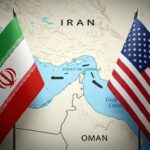
Iran’s conditions also contain a sticking point. Rezaei said ships passing through a reopened strait would have to follow a route agreed by Iran and Oman, and that everyone using the waterway would do so “under Iranian management.” That is hard to square with the principle of free navigation that Washington and most shipping nations defend, so a two-day reopening is not the same as a return to the old arrangement. Iran’s Revolutionary Guard has separately said the strait would stay closed unless the US lifts the blockade, pays compensation for war damage and removes sanctions, according to Outlook India. Meanwhile, nothing has changed on the water: Iran’s navy said two tankers that ignored its radio warnings caught fire and were stopped in the strait’s southern waters, and Iran has said seven tankers were attacked. Those are Iran’s accounts, and I haven’t seen independent confirmation.
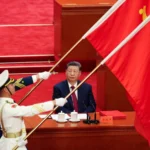
The threat is just as real as the offer. State media said Khamenei told military chiefs that “any kind and level of threat” from the US or Israel should get an immediate response without geographic limits, and ordered an updated list of potential targets. He has not been seen in public since the war began, so his orders come through written statements. Rezaei also warned of “devastating blows” using new weapons, and said there has been no decision to change Iran’s nuclear doctrine, though some Iranians are asking whether it should change if Iran is attacked again. Washington’s stated aim is to stop Iran getting a nuclear weapon, while Tehran says its programme is peaceful and wants to discuss it later.
Other developments in the AP roundup, which I have not cross-checked separately, include thousands rallying in Tel Aviv for a Jewish-Arab coalition after Israel’s election, in which Arab-led parties won 19 seats; the UN’s human rights chief urging Yemen’s Houthis to investigate the death in custody of a UN staff member, Mohammad al-Shami; and Syria saying a high-level meeting with Jordan is expected next month after Jordanian strikes in Syria that Jordan says killed 20 Islamic State militants and that Syria says killed seven people, mostly women and children.
What is known and what is not: the statements, the Doha talks and the existence of the Vance letter are reported by several outlets. Whether the US will accept Iran’s conditions, whether the strait can really reopen in two days, and whether strikes follow the midterms are not known. This is a news summary of a fast-moving story.
Sources: AP, Al Jazeera (live blog), Reuters via Internazionale, Republic World (Reuters), HNGN, Outlook India, ARY News (AFP), RFE/RL via GlobalSecurity, Business Standard and Qatar Tribune.
