




















Alphabet’s search miss, cash burn hit AI trade while Microsoft’s cloud growth lifts
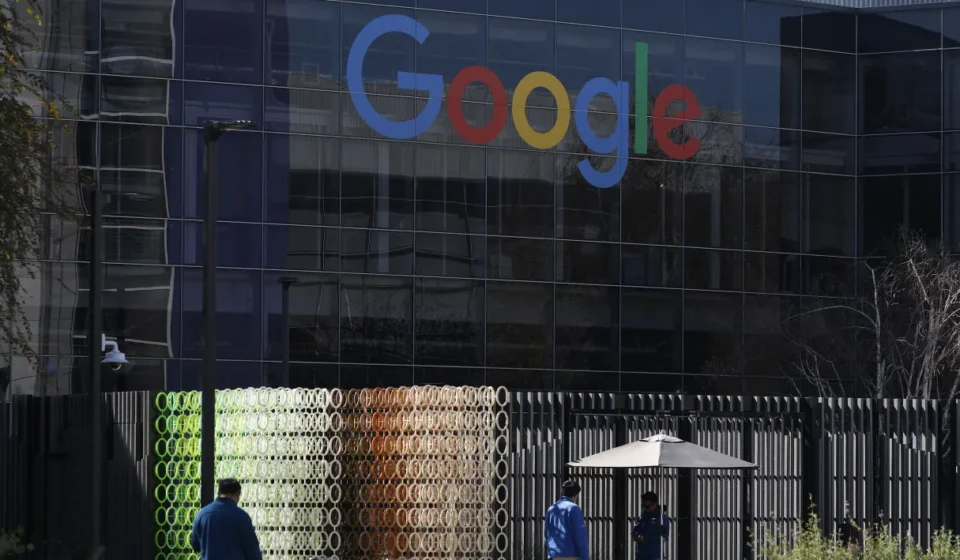
Alphabet is facing what could be the worst reaction to earnings in its history. Shares were down more than 10% in premarket trading on Thursday, according to CNBC, after the Google parent reported results on Wednesday evening that missed on both profit and revenue. CNBC calculated that a fall of more than 9.77% by the close would be the worst post-earnings drop on record, and that the report was the first double miss on earnings per share and revenue since late 2022. Those figures are CNBC’s own analysis, and the final close is what settles them.
The numbers behind the sell-off are consistent across outlets, with small differences in how profit is measured. Reuters reports that Alphabet’s advertising business brought in US$82.01 billion, about US$1.41 billion short of expectations. One report puts search revenue at 12% growth to $63.4 billion against $65.0 billion expected, and it is the second quarter in a row that search has missed. Adjusted earnings were $2.67 a share against $3.02 expected, while reported earnings of $2.12 were dragged down by an $8.7 billion equity loss, according to investingLive. Alphabet also spent roughly $9 billion more cash than it generated. Google blamed slower search ad growth on greater use of AI Mode. That search misses the first concrete evidence for a long-feared risk: that AI answers erode the ad revenue funding the company’s AI spending.
The bright spot did not rescue the stock. Google Cloud revenue rose 103% to about $30.7 billion, ahead of the $28.7 billion analysts expected, and the CFO called Google’s TPU chips a meaningful contributor. The problem is what the company is spending to get there. The CFO said capital expenditure will increase significantly in 2027, although this year’s forecast is unchanged. With free cash flow now negative, an analyst quoted by Reuters said a very large 2027 spending figure could scare the market. That analyst was describing a hypothetical $300 billion number, not an announced one.
Microsoft told a different story on the same evening, and the market rewarded it. Reuters says its shares rose more than 5% on positive free cash flow that outstripped analyst estimates. Azure grew 48%, and Microsoft disclosed Azure’s revenue in dollars for the first time, at $33.2 billion. It guided to up to $97 billion in revenue for the next quarter, above consensus, and its capital expenditure guidance came in lower than expected, which CFO Amy Hood attributed partly to delayed third-party data centre capacity. CNBC and investingLive both give a $170 billion figure for spending, but they describe it differently, as a full-year number and a fiscal 2027 number, so check Microsoft’s own filing before relying on it.
The spillover shows how connected the trade is. Microsoft’s lower spending hit the so-called neocloud firms, such as CoreWeave and Nebius, because Microsoft is a top customer and had been relying on them for capacity. In other words, one company’s restraint is another’s lost demand. Cybersecurity stocks also fell sharply, but CNBC traces that to Fortinet, which dropped 25% after narrowly missing on margins, rather than to Alphabet or Microsoft.
The more useful lesson may be that big tech no longer moves as one group. CNBC’s analysis says the “Magnificent Seven” is not trading as a single block, and the same evening produced a rally in one cloud giant and a record-scale sell-off in another. Investors appear to be separating firms that can fund AI spending from their cash flow from those that cannot yet. Amazon reports after the close today, and analysts expect another quarter of negative free cash flow.
What is established and what is not: the earnings figures, Cloud’s growth, Azure’s growth and the after-hours moves are reported by several outlets. The size of today’s close, the 2027 spending figure and the long-term effect of AI on search remain open. This is a news summary, not investment advice.
Sources: CNBC Morning Squawk, investingLive (Alphabet results), investingLive (after-hours), Reuters via Daily Maverick, Reuters via The Standard, Reuters via Lufkin Daily News and AI Stock Wire.
