















Israel’s election has no clear winner, fight is now over fraud, foreign-interference claims
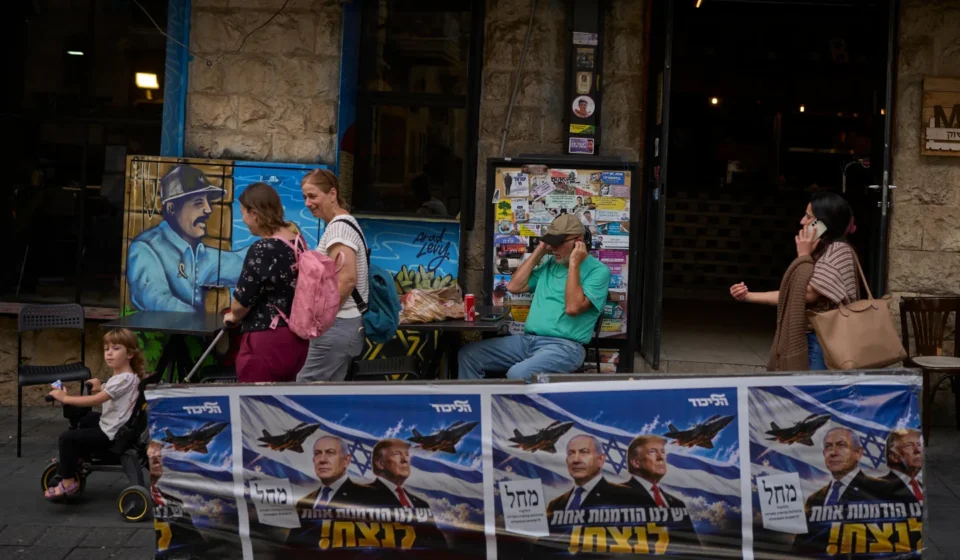
Israel waited on Thursday for final election results that local projections suggest will leave no bloc with a majority. Prime Minister Benjamin Netanyahu’s allies are projected at 53 of the Knesset’s 120 seats, opposition parties at 48 and Arab-led parties at 19, according to the AP. A majority needs 61, so Netanyahu and his opponents alike would depend on Arab-led parties, which also want Netanyahu out. About half a million absentee ballots are still being counted, but they are not expected to change the picture much. Israeli law requires certification by November 4, and the new parliament is due to be sworn in on November 10.
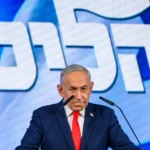
Two separate claims have overtaken the count. The first came from Netanyahu’s Likud, which won the most votes but, according to the AP, accused Arab-led parties of stealing the election and asked the election committee to investigate without providing specific evidence. Likud’s own statement says it is handing police, the Shin Bet and the committee “hundreds of testimonies” and other material, including thousands of envelopes with cash and Ra’am slips. That material has not been made public or tested, so for now it remains an allegation. The Central Elections Committee has said it is reviewing complaints from all parties, and the AP reports the committee’s view that irregularities in the relatively calm vote were low.
The second claim is about foreign interference. The committee’s chairman, Supreme Court Justice Noam Sohlberg, wrote to Shin Bet director David Zini, saying serious suspicions had reached him of improper influence through foreign funding from entities acting against Israeli interests, and asked for findings within a week. The letter gave no specifics, and the AP notes it could not speak to the validity of the claims or say who made them. The Jerusalem Post reports that Likud had earlier asked Sohlberg to involve the Shin Bet after a report that foreign diplomats had contacted rival Gadi Eisenkot, which suggests the claim has more than one political target.
What the letter does not say matters as much as what it does. It does not mention Arab voters or parties. Netanyahu nonetheless used it to argue that no party should cooperate with Arab-led parties, and Likud’s response framed it as an attempt by foreign actors to take control of the government. Opponents read it differently. Yair Golan accused Netanyahu of a delegitimisation campaign against the Arab public, and Joint List chair Sami Abu Shehadeh called it incitement. President Isaac Herzog called it a sensitive moment, backed a full investigation and warned against tarnishing an entire community that exercised its right to vote.
The practical stakes are in the coalition arithmetic. If the projections hold, Netanyahu’s route to 61 runs through opposition parties that campaigned on removing him, while his opponents’ route runs through a historic partnership with Arab-led parties. Until 2021, no Arab party had ever joined a governing coalition, and that arrangement was brief. Eisenkot has said he is open, with conditions, to working with them, and Joint List figure Ahmad Tibi has said his party would back an opposition candidate for Knesset speaker. Controlling the speakership would give the opposition influence over the agenda before any government forms. If repeated attempts fail, Israel would face another election early next year, an outcome both Herzog and Eisenkot want to avoid.
Several things are established and several are not. The committee’s letter, the projections, the certification deadline and Likud’s demand for an inquiry are all documented. Likud’s claim of stolen votes and the foreign-funding suspicion are unproven, and the committee’s own early assessment points to low irregularities. The Shin Bet’s findings, due within the week, will be the first independent test, and how they are described could shape the coalition talks as much as any seat count.
Sources: AP via WRAL, AsiaOne (AP), ABC News Australia, The Jewish Chronicle, Israel National News, The Jerusalem Post (Eisenkot contacts), The Jerusalem Post (Likud fraud claim), The Times of Israel and WION.
