











Netanyahu’s Likud alleges election fraud by Arab voters without presenting evidence
Israeli election remains inconclusive as Arab-led parties gain parliamentary influence and coalition negotiations loom
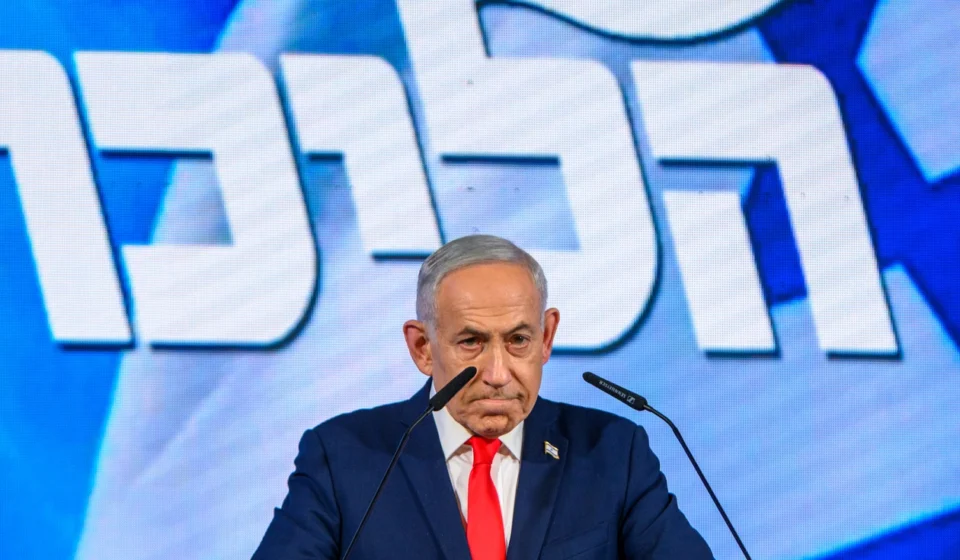
Israeli Prime Minister Benjamin Netanyahu’s Likud party has alleged that fraud involving Arab voters prevented it from securing a decisive victory in the country’s general election, but the allegations have not been substantiated by evidence presented by the party.
In a statement published on social media on Wednesday, Likud claimed there was “evidence of election theft in many Arab polling stations” and called on law enforcement agencies to act swiftly. Netanyahu subsequently shared the statement online.
However, according to POLITICO, the party did not provide evidence to support its allegations. Israeli police, according to local media reports cited by the publication, said there was no evidence indicating that Arab parties had interfered in the election.
The claims emerged as vote counting continued following Tuesday’s election, which failed to deliver a clear parliamentary majority to either Netanyahu’s alliance or the opposition led by Gadi Eisenkot.
Arab-led parties gain influence
Arab-led parties performed strongly in the election, securing 19 seats according to Israeli media reports cited by POLITICO, compared with 10 in the previous parliament. Their increased representation could give them greater influence over negotiations to form the next government.
Neither Netanyahu’s bloc nor the opposition has secured the 61 seats required for a majority in the 120-member Knesset, according to the report. The final political outcome will therefore depend on negotiations among parties with differing positions on security, national identity and relations with the Palestinian population.
Whether parties opposed to Netanyahu will cooperate with Arab-led parties to form a governing coalition remains uncertain. Such an arrangement could alter the balance of power, but political disagreements may complicate efforts to reach an agreement.
Netanyahu targets Arab voter turnout
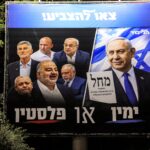
During the election campaign, Netanyahu published social media messages warning right-wing supporters about high Arab voter turnout. In one message, he claimed that busloads of Arab voters were being transported to polling stations while right-wing voters remained at home.
He also warned that the Muslim Brotherhood could gain control of the government if Likud supporters did not vote.
The messaging highlighted the political divisions surrounding Arab citizens’ participation in Israel’s electoral process. Their strong turnout reflected anger and frustration among some voters over Netanyahu’s policies towards Palestinians, according to POLITICO.
The subsequent fraud allegations have added another layer of tension to an election already marked by disagreement over the country’s political direction and the future composition of its government.
Coalition talks could shape Israel’s next government
The inconclusive result is expected to lead to an extended period of coalition negotiations. The central question is whether either major political bloc can assemble sufficient parliamentary support to govern.
The election has also drawn attention in Washington. POLITICO reported that US President Donald Trump endorsed Netanyahu twice during the campaign period, suggesting that the two leaders would continue their joint efforts against Iran if Netanyahu remained in office.
The report also connected the Israeli political developments with growing US domestic debate over the war involving Iran and rising fuel prices ahead of the US midterm elections.
For Israel, the immediate challenge is to establish a government with sufficient parliamentary support while managing disputes over election legitimacy and political representation. The allegations made by Likud remain unverified, and the available information does not establish that electoral fraud occurred.
