













Israel election no clear winner, Netanyahu faces strong challenge
Israeli Prime Minister Benjamin Netanyahu faces a significant electoral setback, but remains in contention to lead the next government after exit polls indicated a closely contested election with no clear winner. With votes still being counted, the country could face weeks of coalition negotiations before a new government takes shape.
According to the Associated Press, voter turnout reached 77.7 per cent, the highest since 1999. The result reflects widespread public engagement in an election shaped by the aftermath of the Hamas-led attacks of 7 October 2023, subsequent regional wars, and growing domestic divisions over Netanyahu’s leadership.
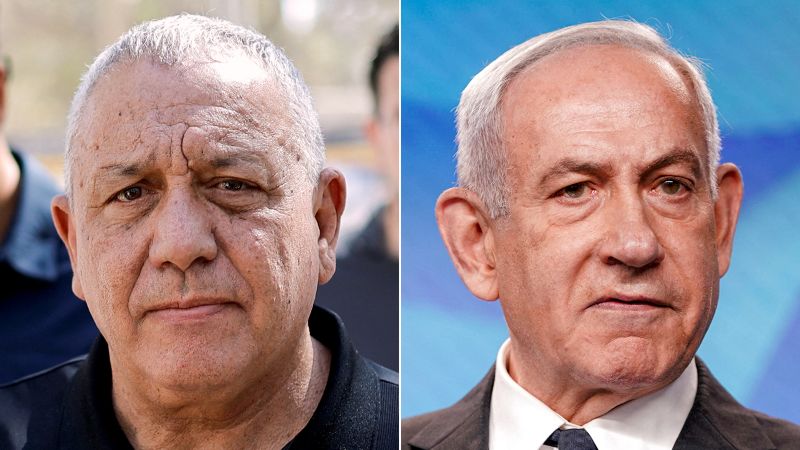
With around two-thirds of votes counted at the time of the AP report, Netanyahu’s Likud party had secured 21 per cent of the vote, while the Yashar party, led by centrist former military chief Gadi Eisenkot, had received 16.1 per cent. These figures represent vote shares rather than parliamentary seats, and the final distribution remains uncertain.
Exit polls suggested that Netanyahu’s bloc and the opposition led by Eisenkot could each secure around 51 seats in the 120-member Knesset, while Arab-led parties could win approximately 18. Neither main bloc appeared to have the 61 seats required for a parliamentary majority. Final results, including outstanding absentee ballots, are expected in the coming days.
Arab-led parties could hold the balance
The strong performance of Arab-led parties could prove decisive in negotiations over the next government. However, cooperation remains politically sensitive, with disagreements over Israel’s identity, Palestinian issues and the conditions for supporting a coalition complicating the path to a majority.
Netanyahu rejected the prospect of forming a government dependent on Arab parties and called for a strong right-wing nationalist administration. Eisenkot, meanwhile, has left open the possibility of cooperation under certain conditions, although some potential partners have opposed such an arrangement.
The outcome therefore presents a difficult choice for Netanyahu’s opponents: whether to negotiate with Arab-led parties to secure a parliamentary majority or risk prolonging the political deadlock.
Domestic divisions shape the result
The election was widely viewed as a referendum on Netanyahu’s long tenure and his alliance with far-right and ultra-Orthodox parties. Voters’ concerns included exemptions from military service for ultra-Orthodox Jewish men, judicial independence and the government’s handling of the security and political consequences of the October 2023 attacks.
Far-right National Security Minister Itamar Ben-Gvir also appeared to suffer an electoral setback, according to the AP report.
Netanyahu’s supporters regard him as a leader capable of defending Israel’s security and national identity amid regional conflict and international pressure. His critics argue that his government has failed to provide sufficient accountability for security failures, weakened democratic institutions and prolonged the political and humanitarian consequences of the war in Gaza. Netanyahu faces an ongoing corruption trial and denies wrongdoing.
Weeks of negotiations may lie ahead
Israel’s proportional parliamentary system makes coalition-building central to government formation. President Isaac Herzog is expected to consult party leaders and designate the candidate considered best placed to assemble a government once the results are finalised.
If no candidate can secure sufficient support, the country could face another election. Netanyahu would remain in a caretaker capacity while the political process continued.
For Israel, the immediate challenge is not simply determining which party wins the most votes, but establishing whether competing political blocs can agree on a workable government. The strong turnout demonstrates public engagement, while the inconclusive result underscores the depth of the country’s political divisions.
The election’s implications extend beyond domestic politics. The composition of the next government could influence Israel’s regional security posture, relations with Arab states, ties with Western partners and its approach to the continuing conflict involving the Palestinians.
