


















Finland halts work at Google data-centre sites over assessment concerns
Google’s race to expand artificial-intelligence infrastructure in Europe has run into an environmental regulatory hurdle in Finland, where authorities have ordered work halted at two planned data-centre sites after finding that mandatory environmental impact assessments had not been completed.
The Finnish Supervisory Agency (LVV) on Tuesday ordered Tuike Finland, a company representing Google, to suspend preparatory work that could significantly alter the environment at planned data-centre projects in Muhos and Kajaani.
The order comes only weeks after Google announced a €13 billion ($15 billion) investment in Finland over the next two years as part of its broader push to expand digital infrastructure and support its growing artificial-intelligence operations. The company has described the projects in Muhos, Vaala, Kajaani and Hamina as its largest investment in Europe.
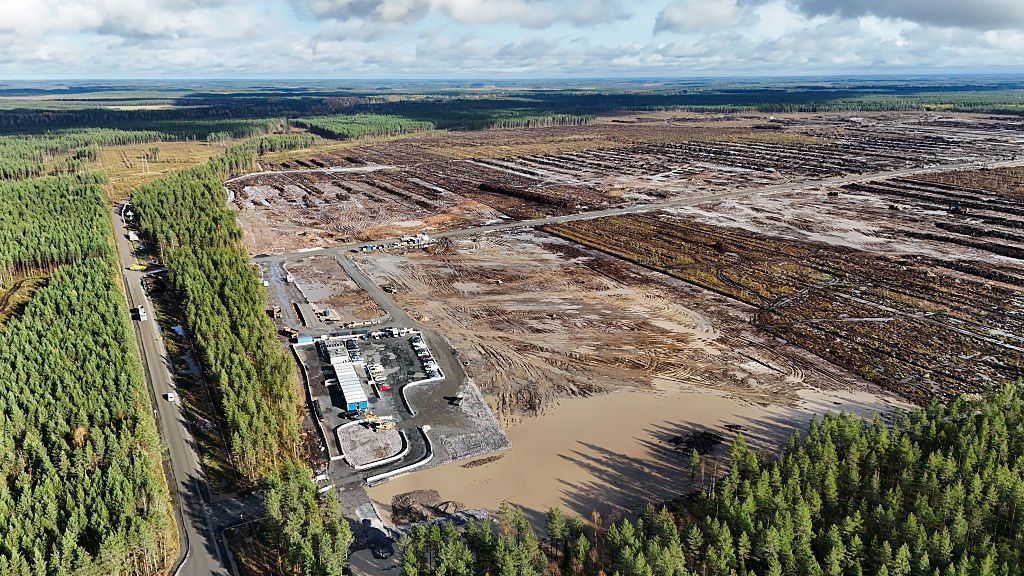
The regulatory dispute centres on whether hundreds of hectares of forest were cleared at the Muhos and Kajaani sites without first completing a legally required environmental impact assessment.
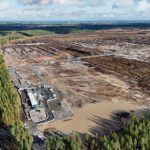
According to the LVV, preparatory work had already involved extensive physical changes to the sites. Environment department head Tommi Muilu said trees had been removed, topsoil stripped, roads and storage areas built and drainage ditches altered.
The scale of the changes has heightened concerns among environmental groups. During a visit to the Muhos site, Hanna Halmeenpaa, chair of the Finnish Association for Nature Conservation, said more than 300 hectares had been deforested and that areas considered worthy of preservation had been affected.
The regulator has ordered Tuike Finland to provide an explanation and set out how it intends to proceed by October 14. It has also required the company to halt the relevant preparatory measures no later than October 23.
Failure to comply could lead to enforcement proceedings.
Google has acknowledged shortcomings in the process. Company spokesman Sondre Ronander said the company understood the concerns and had fallen short of its own standards, while maintaining that it had acted in good faith and had already undertaken environmental surveys and mitigation measures.
Google also pointed to planned biodiversity measures, including tree planting across 130 hectares at Muhos, as it seeks to address the environmental concerns surrounding the development.
The dispute illustrates a growing tension at the heart of Europe’s AI infrastructure boom. Data centres require large areas of land, substantial electricity supplies and supporting infrastructure, while governments are simultaneously seeking to accelerate digital investment and maintain strict environmental protections.
Finland has emerged as an attractive location for data centres because of its cool climate, renewable electricity potential and established digital infrastructure. For technology companies, such conditions can help reduce the energy required for cooling large computing facilities.
But the Finnish government has made clear that major technology investments do not exempt companies from environmental law.
Environment and Climate Minister Sari Multala said the projects were likely to face delays because of the problems surrounding the assessments, describing the failure to comply with the law as a serious matter.
For Google, the immediate issue is a delay to construction and additional regulatory scrutiny. For Finland, the case raises a broader question about how quickly the country can expand the physical infrastructure needed for Europe’s AI ambitions without weakening the environmental safeguards governing that expansion.
The answer may increasingly shape where Europe’s next generation of data centres are built — and at what environmental cost.
