




Mexico captures FBI most-wanted cartel leader in Sinaloa
The arrest of Fausto Isidro Meza-Flores, known as “El Chapo Isidro”, triggered armed clashes, roadblocks and panic at a baseball stadium, highlighting the security challenges facing Mexico after a major cartel operation.
Mexican security forces have captured Fausto Isidro Meza-Flores, a suspected drug-trafficking leader on the FBI’s Ten Most Wanted Fugitives list, in a military operation in Sinaloa that triggered violent confrontations and disrupted civilian life. The arrest took place in Guasave on Friday, 20 November, with Mexican authorities confirming that two other alleged senior members of the criminal organisation were also detained.
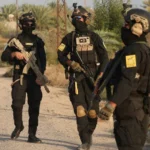
Mexico’s defence ministry said the operation involved elite military units using stealth and surprise, with intelligence support from the United States. Meza-Flores, widely known as “El Chapo Isidro”, was transferred to Mexico City after his arrest. Reuters and the Associated Press independently reported the capture, while Mexican authorities identified the two other detainees as Germán “N”, alias “Serafín”, the organisation’s alleged second-in-command, and José “N”, its suspected financial operator.
Meza-Flores is associated with the Meza-Flores criminal organisation, also known as Los Mazatlecos, which operates in Sinaloa and has been linked to the wider Beltrán Leyva criminal network. The FBI had placed him among its most-wanted fugitives and offered a reward of up to $5 million for information leading to his arrest.
According to the FBI, Meza-Flores was allegedly involved in the possession, distribution and importation of large quantities of heroin, methamphetamine, cocaine, fentanyl and marijuana into the United States. He was indicted in 2012 and again in 2019 on drug-trafficking and firearms-related charges. These are allegations contained in US criminal proceedings; the charges have not been presented here as established convictions.
The organisation has a history of violent territorial disputes with rival trafficking groups. The US Treasury Department said in 2013 that the Meza-Flores cartel had been involved in an intense turf war with the Sinaloa Cartel, which was then led by Joaquín “El Chapo” Guzmán.
Gunfire interrupts a baseball match
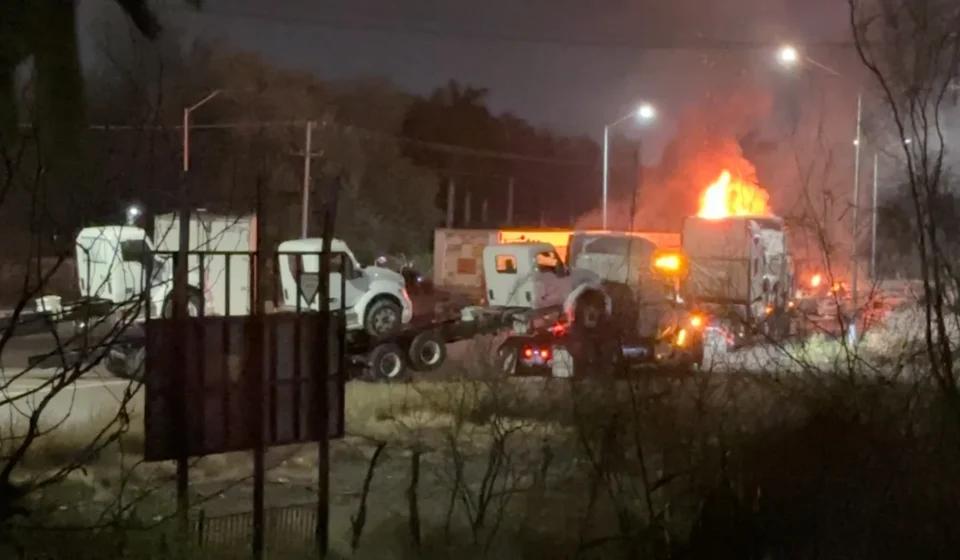
The military operation was followed by armed confrontations in Guasave, where security personnel came under attack from individuals using firearms and explosives, according to Mexico’s defence ministry. Armed groups reportedly established roadblocks in several municipalities near the arrest site.
Footage verified by CNN showed what appeared to be Mexican security helicopters firing towards the ground during the clashes. Local authorities also confirmed an attack on federal personnel.
The violence reached a public baseball match at Kuroda Park, where spectators fled the stands after gunfire erupted nearby. Players from Venados de Mazatlán and Algodoneros de Guasave abandoned the field as the broadcast was interrupted. Video geolocated by CNN showed fans scrambling for cover and climbing over barriers to escape.
A resident told CNN that armed individuals had entered private hospitals and that businesses, including convenience stores and petrol stations, were being set on fire. The resident also described taking shelter inside shops that had closed their security shutters early. These accounts indicate the extent of public alarm, although a comprehensive official assessment of the damage and any civilian casualties was not available in the initial reports.
Sinaloa’s state government urged residents of Guasave to remain indoors and avoid travelling on the roads. Authorities said security personnel had been deployed to restore order.
The operation highlights the importance of intelligence cooperation between Mexico and the United States in targeting senior figures in transnational criminal organisations. Mexican officials said US intelligence contributed to locating Meza-Flores, although the precise nature of the cooperation has not been publicly detailed.
The arrest also comes amid sustained pressure from Washington for Mexico to intensify action against drug-trafficking networks responsible for moving narcotics across the US border. President Donald Trump has repeatedly threatened unilateral action against cartels, creating diplomatic pressure on President Claudia Sheinbaum’s administration to demonstrate results while defending Mexico’s sovereignty.
For Mexico, the operation represents a significant arrest, but capturing a senior figure does not automatically dismantle the organisation he is accused of leading. Cartel structures can involve multiple commanders, financial operators, transport networks and local armed groups. The detention of two alleged senior associates may disrupt some of those operations, but the organisation’s future leadership and capacity remain uncertain.
The events in Guasave illustrate how operations against major criminal figures can expose nearby communities to immediate security risks. Gunfire, burning vehicles, roadblocks and the interruption of public events affect residents and businesses far beyond the location of the initial arrest.
The disruption also has economic implications for local commerce and mobility. When residents are advised to stay indoors and businesses close, ordinary economic activity can be interrupted, while damage to infrastructure and private property adds to the cost of insecurity.
The immediate priority for Mexican authorities is to restore public safety and establish the full extent of the violence. The longer-term test will be whether the capture leads to sustained disruption of the trafficking network without provoking further armed conflict or leaving a power vacuum that rival groups seek to exploit.
Sources: CNN, Cartel kingpin on FBI’s most wanted list captured in dramatic Mexican military operation; Reuters, Mexico captures top drug lord “El Chapo Isidro” in latest string of arrests; Associated Press, Mexico detains top cartel boss “El Chapo Isidro,” one of FBI’s 10 most wanted fugitives; FBI, Ten Most Wanted Fugitives.