


















US Senate passes bipartisan energy bill to speed up infrastructure projects
The US Senate has approved bipartisan legislation aimed at accelerating the construction of power plants, electricity transmission lines and other energy infrastructure, while requiring data centres to bear the costs of the energy they consume.
The legislation, formally known as the Bipartisan American Affordability and Jobs Act of 2026, passed by 62 votes to 33 on Thursday. It now moves to the House of Representatives, which approved a narrower, more industry-friendly version last year.
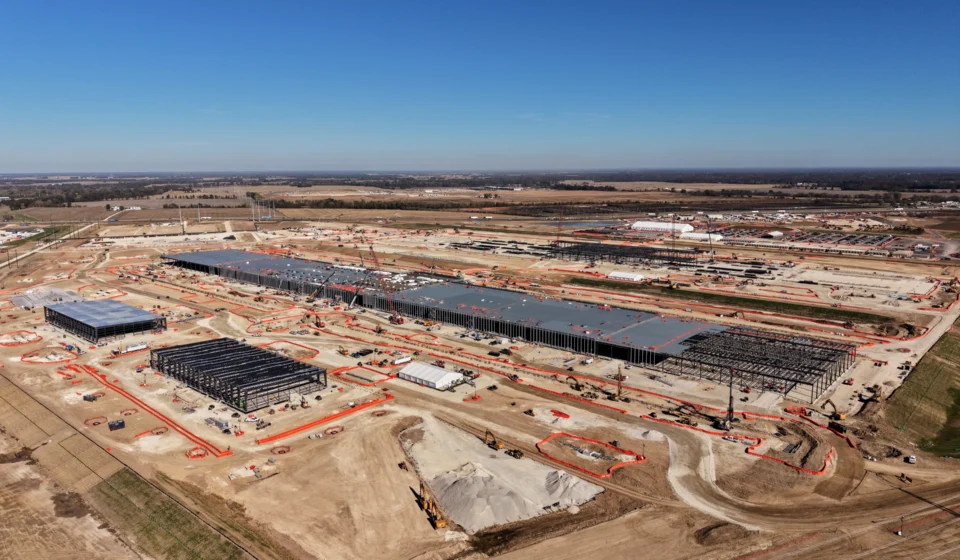
The measure seeks to shorten federal permitting timelines for major energy projects as the United States faces rising electricity demand, partly driven by the rapid expansion of energy-intensive data centres. Supporters argue that faster approvals could increase energy supplies, reduce project costs and ultimately help bring down electricity prices.
The bill received support from 15 Democrats, including Senate Minority Leader Chuck Schumer. Two Republicans, Josh Hawley of Missouri and Mike Rounds of South Dakota, voted against it.
Data centres and rising electricity demand
The legislation comes amid growing political pressure over the cost of electricity and the energy requirements of large data centres supporting artificial intelligence and other digital services.
The bill aims to ensure that data centres pay for the energy they use, addressing concerns that the costs of expanding electricity infrastructure could otherwise be passed on to households and other consumers.
The wider permitting reforms are intended to make it easier to develop power plants, pipelines, mines and transmission infrastructure. President Donald Trump has endorsed the legislation, describing it as a major step towards strengthening US energy independence and dominance.
Industry welcomes faster approvals
Industry groups representing clean energy developers and the oil and gas sector have backed the legislation. They argue that lengthy approval processes can delay major infrastructure projects for years, increasing costs and creating uncertainty for investors.
Republican Senator John Barrasso of Wyoming said energy projects that could help lower prices remain stalled for years while awaiting federal approval.
The bill would change aspects of several major environmental laws, including the National Environmental Policy Act, the Clean Water Act and the Endangered Species Act. Its supporters say reforming the approval process is necessary to make infrastructure development more efficient.
Environmental groups warn of weaker protections
Environmental organisations have strongly criticised the legislation, arguing that its provisions could weaken safeguards and make it harder for communities to challenge government approvals.
Critics say faster permitting could encourage additional fossil fuel projects, including gas-fired power plants serving data centres, oil and gas pipelines and liquefied natural gas terminals.
Jen Duggan, executive director of the Environmental Integrity Project, warned that the measure could increase pollution while reducing public health and environmental protections.
The Sierra Club and National Wildlife Federation are among the organisations opposing the bill. They have raised concerns about restrictions on judicial review and changes to environmental assessment requirements.
The National Environmental Policy Act currently requires federal agencies to consider the potential environmental effects of major projects and provides opportunities for public input. Supporters of reform argue that reviews can take five years or longer, contributing to delays and higher costs.
Democrats divided over the legislation
The Senate vote exposed divisions among Democrats over how to balance energy infrastructure development with climate and environmental priorities.
Oregon Senators Jeff Merkley and Ron Wyden sought amendments, including a proposal to prohibit data centres on public land. Their efforts were blocked, and the bill passed without amendments proposed by individual senators.
Merkley argued that expanding renewable energy would not adequately address climate change if the legislation also encouraged greater fossil fuel consumption.
The legislation was negotiated by four senators: Republicans Shelley Moore Capito and Mike Lee, and Democrats Martin Heinrich and Sheldon Whitehouse. They argued that Americans need more reliable energy supplies and lower utility bills.
Whitehouse described the bill as “the floor, not the ceiling” of future climate and environmental action, expressing hope that a stronger Democratic majority in the next Congress could pursue additional measures.
Tribal sovereignty and water protections under scrutiny
Some lawmakers and tribal representatives have warned that the legislation could weaken protections for Indigenous communities and culturally significant sites.
Democratic Senator Maria Cantwell of Washington said the measure had been rushed through without sufficient consideration of its potential consequences. She raised concerns about protections for waterways, wildlife, hunting and fishing grounds, historic sites and tribal sovereignty.
Oneida Nation Vice Chairman Jameson Wilson also warned that accelerated development must not undermine tribal rights or meaningful consultation with Indigenous communities.
Former Energy Secretary Jennifer Granholm acknowledged these concerns but said changes negotiated by the bill’s sponsors had strengthened provisions for tribal consultation and restored important state authority over water quality.
California Senator Alex Padilla, despite supporting several provisions intended to streamline transmission infrastructure, voted against the bill. He said other provisions could seriously harm California’s environment and the interests of its 109 federally recognised tribes.
House vote will determine the next stage
The Senate’s approval marks a significant step towards changing how major energy infrastructure projects are reviewed and authorised in the United States. However, the legislation still faces consideration in the House, where lawmakers will need to address differences between the Senate measure and the chamber’s earlier version.
The debate reflects a wider policy challenge: meeting rapidly growing electricity demand while balancing energy affordability, industrial competitiveness, climate objectives and environmental protections.
The treatment of data centre energy costs is particularly significant as investment in artificial intelligence infrastructure accelerates. Whether the legislation can deliver faster construction and lower electricity prices without weakening environmental and community protections will remain central to the debate.
Sources: Associated Press, Matthew Daly, “Senate approves bill to speed up permitting reviews, force data centers to pay for energy costs” (20 November 2026), https://apnews.com/; the full report and legislative details are based on the Associated Press article supplied for this report.