

















Ukraine plans to double drone supplies, more than triple long-range strikes in 2027
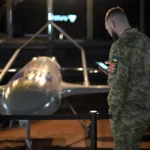
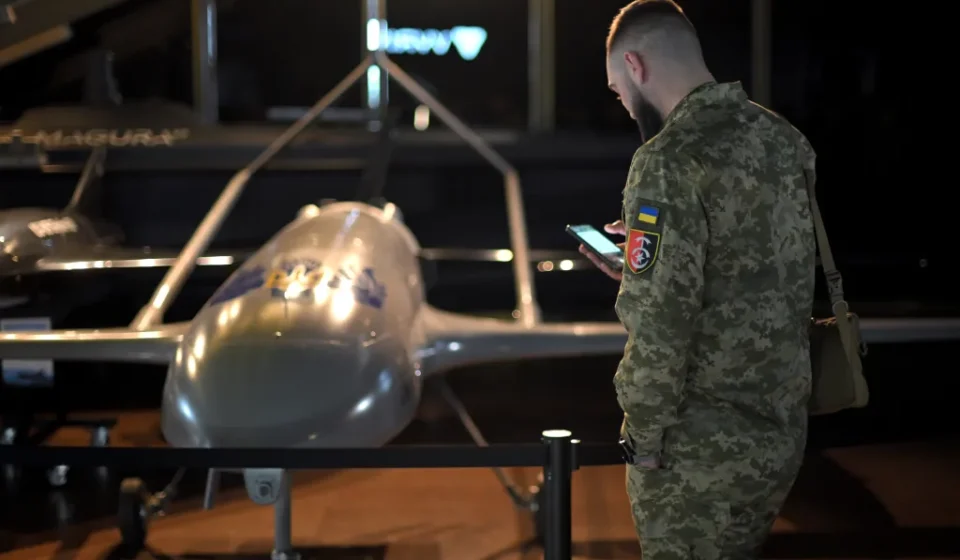
Ukraine plans to double its drone supplies and more than triple its long-range strike capabilities next year, as Kyiv seeks to strengthen its military capacity with growing support from European allies. The expansion comes amid disagreements with Washington over the role and effectiveness of Ukrainian attacks deep inside Russian territory.
Defence Minister Yevhenii Khmara announced the plans on Tuesday following the 37th meeting of the Ukraine Defense Contact Group at NATO headquarters in Brussels. He said drones would account for more than half of Ukraine’s weapons requirements in 2027.
Speaking at a press conference, Khmara indicated that 62 per cent of defence funding should be allocated to drones, including first-person-view systems, middle-range and long-range strike drones, and logistical platforms.
“There are prospects in this, and we are only getting started,” he said.
Britain pledges more than 1,000 long-range drones
European support for Ukraine’s drone capabilities received a significant boost with Britain’s announcement of a £260 million military assistance package, including more than 1,000 long-range strike drones.
According to the British government, some of the drones will be capable of travelling more than 1,000 kilometres. The package will also include maritime, logistical and surveillance drones intended to support Ukrainian forces.
The British government said the long-range systems would enable Ukraine to target military production facilities and other legitimate military objectives far behind the front lines. More than 80 per cent of the package’s funding is expected to be spent in the United Kingdom.
Defence Secretary Wes Streeting defended the strategy, arguing that deep strikes had helped weaken Russia’s military capabilities, buy time and save lives. He also said it was not for Britain to dictate how Ukraine should conduct its war.
Washington questions the effectiveness of deep strikes
The expansion of Ukraine’s long-range strike programme has exposed differences between Kyiv’s European supporters and the Trump administration over military priorities.
Pentagon policy chief Elbridge Colby criticised the emphasis on attacks deep inside Russia during the Brussels meeting. He argued that such operations had not demonstrated an ability to bring the war closer to an end or significantly slow Russian advances on the battlefield.
Colby also warned that attacks on civilian infrastructure could strengthen public support for the Kremlin and increase Russia’s willingness to escalate the conflict.
However, he acknowledged that strikes against Russia’s military production and war-making capabilities could help slow its advances. He said Ukraine should not be forced to fight with its hands tied behind its back.
His comments followed pressure from the Trump administration on Kyiv to avoid strikes against Russian oil refineries.
Germany and Norway offer further support
Germany and Norway also announced additional support for Ukraine’s drone programme.
Germany pledged to purchase jointly produced medium-range and long-range strike drones, while Norway said it would allocate $300 million to procure Ukrainian drones, according to Ukraine’s Defence Ministry.
German Defence Minister Boris Pistorius rejected the criticism of Ukrainian attacks against strategic military targets in Russia. He argued that attention should instead focus on Russia’s repeated attacks against civilian energy, water and heating infrastructure in Ukraine.
The exchange highlighted the continuing debate among Ukraine’s partners over how military assistance should be used and whether long-range operations can contribute to a broader strategic advantage.
A growing role for drones in the war
Ukraine’s planned expansion reflects the increasingly central role of unmanned systems in its military strategy. Drones are being used for reconnaissance, logistics, battlefield operations and attacks against targets at considerable distances.
The planned increase in supplies, alongside new European procurement and production arrangements, could strengthen Ukraine’s ability to sustain operations while continuing to defend its front lines.
However, the disagreement over deep strikes illustrates a wider challenge for Kyiv: maintaining the support of its international partners while determining how best to use its expanding military capabilities.
Sources: Defense News, Ukraine plans to double drone supplies, triple deep strikes; Ukraine’s Ministry of Defence, Doubling drone supplies and strengthening air defence: Ukraine outlines priorities to EU partners; UK Government, More than 1,000 long-range strike drones announced for Ukraine as Prime Minister co-chairs Coalition of the Willing in Berlin.