



















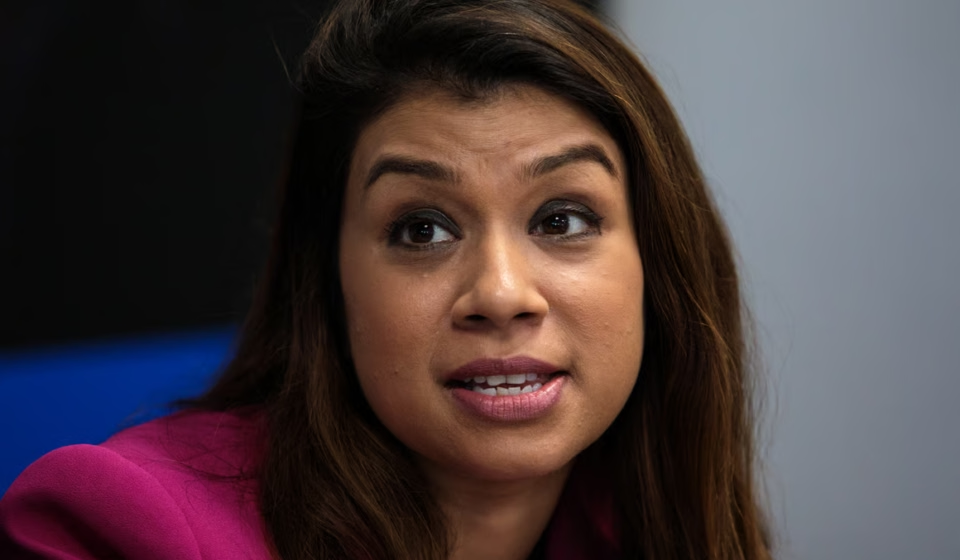
Tulip Siddiq considers legal action against Yunus over corruption case
The British MP says she was subjected to a “malicious prosecution” and is consulting lawyers over possible action against Bangladesh’s former interim leader, while continuing to deny the corruption charges brought against her.
British Labour MP Tulip Siddiq is considering legal action against Bangladesh’s former interim leader Muhammad Yunus, alleging that corruption proceedings brought against her by the previous administration were politically motivated and damaged her position in the UK government.
In an interview with the Guardian, published on Thursday, Siddiq said she was consulting a lawyer about a possible claim against Yunus, who led Bangladesh’s interim government from 2024 to 2026. She described the proceedings as a “malicious prosecution” and said a lawyer had advised her that she might have grounds to pursue legal action.
Siddiq, the MP for Hampstead and Highgate and niece of former prime minister Sheikh Hasina, was sentenced in absentia to two years in prison in December 2025. She was convicted alongside 16 others over allegations that she influenced her aunt to secure a plot of land for her family on the outskirts of Dhaka. Siddiq has consistently denied the allegations and is based in London.
Siddiq told the Guardian that she had repeatedly sought details of the accusations against her but had not received responses to letters sent by her lawyers to the Bangladeshi authorities.
She also said she had attempted to meet Yunus in person while he was staying at London’s Dorchester hotel, but that he had declined to meet her. Describing the experience as a “Kafkaesque nightmare”, she said she learnt of her conviction after waking up and seeing a Sky News alert.
Her comments present her account of the case and the legal process. The allegations of malicious prosecution have not been established through a court ruling in the United Kingdom, and her stated intention to explore legal action does not itself amount to a filed lawsuit.
Yunus declined to comment when approached through two close associates, according to the Guardian.
The proceedings against Siddiq became a political issue in Britain after allegations emerged that she had benefited from arrangements linked to the Hasina government. She resigned from her position as a minister in the UK government in January 2025, following scrutiny of her connections to Bangladesh and the allegations surrounding property and financial arrangements.
Siddiq said she had received support from former UK prime minister Keir Starmer during the controversy, including a message after she received a security threat. However, she said repeated questions about her position eventually led her to conclude that her continued presence in government had become an obstacle.
She described the experience as particularly painful because she had supported Starmer’s political project from its early stages.
The dispute connects Bangladesh’s post-Hasina political transition with the domestic political environment in the United Kingdom. Siddiq’s case has drawn attention to the treatment of politically connected individuals under Bangladesh’s interim administration, while also raising questions about how allegations involving foreign governments affect the political standing of British elected representatives.
Her proposed legal action could create a further international dimension to the dispute if proceedings are formally initiated. Any such case would require examination of the relevant evidence, jurisdiction and legal grounds. At present, Siddiq has said she is considering action; the Guardian report does not establish that a lawsuit has been filed.
The case also illustrates the continuing political consequences of Bangladesh’s transition following the end of Hasina’s rule. Allegations involving former government figures and their relatives remain contested, and the legal processes surrounding them are likely to attract scrutiny both within Bangladesh and internationally.
For now, the central development is Siddiq’s stated intention to explore legal remedies against Yunus. Whether that intention develops into a formal case—and how any court might assess her allegations—remains uncertain.
Sources: The Guardian, Tulip Siddiq says she is considering legal action against former Bangladesh leader; Reuters, coverage of Tulip Siddiq’s conviction in Bangladesh.