


















India protests intensify, opposition demands election chief’s resignation
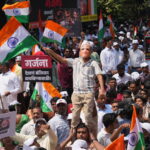
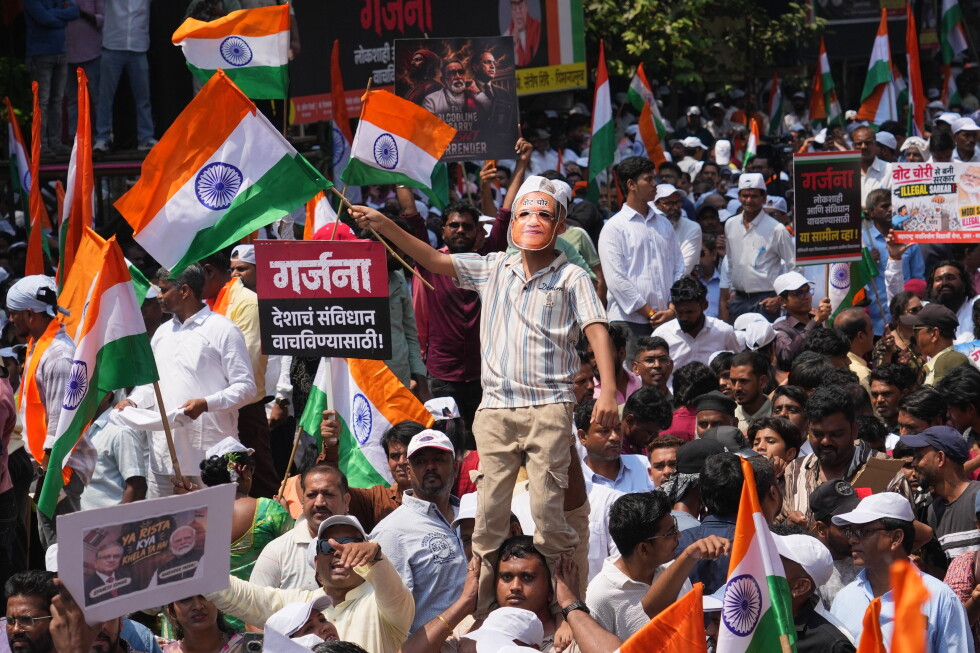
Protests against India’s chief election commissioner intensified on Thursday as opposition parties, student groups and youth activists demanded the resignation of Gyanesh Kumar over a controversial revision of electoral rolls. Demonstrations in New Delhi and Bengaluru came amid reports of detentions and heightened security ahead of a larger rally planned for Saturday.
Reuters and Associated Press reported that the protests centre on the Election Commission’s Special Intensive Revision (SIR) of voter lists, an exercise that critics say risks depriving millions of eligible citizens of their voting rights. The commission and the government of Prime Minister Narendra Modi deny political interference, saying the process is intended to remove duplicate and ineligible entries and ensure the accuracy of electoral records.
The scale of the revision has become a central point of contention. More than 130 million names have reportedly been removed from voter lists, prompting appeals and concerns about whether eligible voters can readily restore their registration. Opposition parties allege that the changes disproportionately affect communities and voters likely to support parties challenging Modi’s Bharatiya Janata Party (BJP). Those allegations have not been independently established as a nationwide pattern.
On Thursday, opposition leaders from the INDIA bloc continued their campaign in the capital, while the youth-led Cockroach Janata Party and student organisations mobilised supporters in other cities. The movement said several of its members had been detained, including spokesperson Deepak Baliyan. Reuters reported that the group claimed more than 10,000 people had been detained nationwide, although the figure could not be independently verified.
Congress leader Rahul Gandhi has emerged as a prominent figure in the demonstrations. He and other opposition lawmakers were briefly detained during protests earlier in the week after demanding access to the election chief and calling for Kumar’s resignation. Police have disputed accusations of misconduct, while the BJP has accused the opposition of making unfounded allegations.
The immediate dispute has expanded beyond the removal of names from electoral rolls to questions about the independence and accountability of India’s election administration. The controversy intensified after a report by The Indian Express described disagreements among election commissioners over aspects of the revision process, raising further questions among critics about how concerns within the institution are handled.
The Election Commission’s position is that voter-list revision is necessary to maintain accurate records and prevent ineligible entries. Opposition parties argue that the process must include transparent safeguards, accessible appeals and credible assurances that eligible voters will not be excluded. The central issue is whether the commission can demonstrate that the process is both procedurally sound and politically impartial.
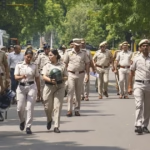
Authorities have increased security in New Delhi ahead of a planned demonstration on Saturday, with police restricting gatherings in some areas and deploying additional personnel. The detentions have added another dimension to the dispute, with protesters framing their campaign as a defence of voting rights and authorities emphasising public order.
The controversy carries implications for India’s democratic institutions ahead of upcoming state elections and the next national election cycle. The immediate test for the Election Commission will be to explain the revision process clearly, address legitimate appeals and provide verifiable evidence that eligible voters can exercise their rights. For the opposition, sustaining public mobilisation will depend on turning broad concerns about electoral integrity into specific, documented challenges.
The dispute remains unresolved. Allegations of partisan voter-list manipulation are contested, and the number of people wrongly removed cannot be inferred from the total number of deleted entries alone. Independent scrutiny of the revision criteria, appeal outcomes and the treatment of eligible voters will be essential to assessing the competing claims.
