




















Wall Street slides as Intel plunges, Binance hacked, Fed leans toward hike
US stocks fell sharply on Friday. The Nasdaq dropped 2.9%, the S&P 500 1.8% and the Dow 1.1%, according to the WSJ, with Intel’s collapse as the main trigger. The newsletter’s figures are consistent with other coverage, which has the Nasdaq down 2.86%. The selloff came on top of the Alphabet rout earlier in the week, and three separate stories explain most of what happened: a chip maker’s warning, the biggest crypto heist on record and an interest-rate outlook that is turning less friendly.
Intel lost about 29%, its worst day since 1974, according to Yahoo Finance. The stock had closed Thursday at $92.07 before the company reported after the bell. The move was not caused by weak results: Intel beat on third-quarter earnings, with adjusted earnings of $0.52 a share against $0.41 expected, and revenue of $16.5 billion, up 21%. It was the outlook that hurt. Intel guided fourth-quarter revenue to $15 billion to $16 billion against the $17 billion analysts expected, and adjusted earnings of $0.25 against $0.43. It now expects the PC market to shrink about 12% this year, with client computing revenue falling by more than 20% from the third quarter. Management blamed a memory-chip shortage that is raising costs and prompting computer makers to cut inventory, and it also cited disruption from an October 14 explosion at its Fab 28 plant in Israel. The company said its data center business is still growing, so this is a story about PCs, not AI demand, although it has hit AI-linked stocks hard.
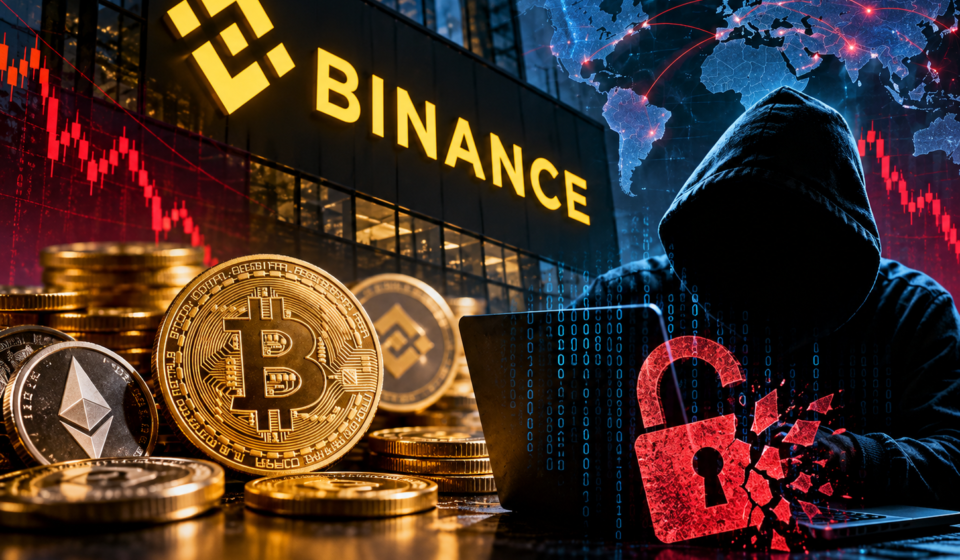
The Binance hack is the other major story, and the details need care. Binance said hackers stole about $6.3 billion, the largest crypto theft ever, beating the $1.5 billion Bybit hack in February 2025. The exchange first blamed a compromised laptop belonging to a DevOps engineer, though it has since said there were additional points of breach. The attribution to North Korea’s TraderTraitor group comes from private analysts: TRM Labs said it has “high confidence” and Chainalysis said it was “likely.” I did not find an FBI statement on this case, and the AP line that the FBI blamed North Korea refers to the earlier Bybit hack. Reports say about $3 billion has been located or frozen, and Binance says it has set aside $6.34 billion to cover losses and plans to reopen withdrawals in phases. The WSJ says bitcoin fell about 5% to below $77,000 and Coinbase fell 12%, but its own market table shows the CoinDesk bitcoin index at $77,234 and up 0.6%. That is probably a timing difference between the drop and a later snapshot.
The interest-rate story is the slowest-burning. The Fed held rates at 3.75% to 4% on October 28, in a 10-2 vote in which Governor Lisa Cook and Cleveland Fed President Beth Hammack dissented in favour of an immediate hike, according to investingLive. This followed a September quarter-point hike, the first since 2023, and the CME’s FedWatch tool put the odds of a December increase at about 81% after the decision. The WSJ reports that three more Fed officials signalled support for continuing to raise rates on Friday, though I could not confirm who they were from other sources. Chair Kevin Warsh has stressed that inflation is the main risk and has declined to give forward guidance. Rate-hike expectations matter for the tech selloff because they raise the discount rate on future earnings, which hits long-duration growth stocks hardest.
Two details in the newsletter’s data are worth noting but not over-reading. The 10-year Treasury yield settled at 4.928%, down 0.06 percentage points on the day, and the WSJ says it fell 0.364 points in October, the largest monthly drop since December 2023. That is a flight to safety in the face of a stock selloff, even as the Fed talks of hiking. The market table also shows gold down 3.6% to about $3,885 an ounce and crude oil near $103 a barrel. The newsletter does not explain the gold move, so I won’t speculate on the cause.
The analytical point is that the three stories hit at once but have different causes, so the market is not telling one story. Intel is about PCs and memory costs. Binance is a security failure that mostly hurts crypto. The Fed’s tone affects everything. What ties them is risk appetite: after Alphabet’s record drop, investors were already testing the AI trade, and any bad news found a nervous market.
What is established and what is not: the index moves, Intel’s guidance and the Fed’s hold are well documented. The identity of the Binance attackers is attributed by private firms, not confirmed by authorities, the final loss figure is still moving and the Reddit drop of 29% is reported only by the WSJ in my sources. This is a news summary, not investment advice.
Sources: The Wall Street Journal (Markets P.M.), Yahoo Finance, 247 Wall St (Intel results), investingLive (Intel call), IBTimes (market moves), AP via KBTX, BleepingComputer, Gizmodo, Cointelegraph, AI Stock Wire (Binance), investingLive (Fed recap), InvestmentNews (Fed) and Portfolio Adviser.
