












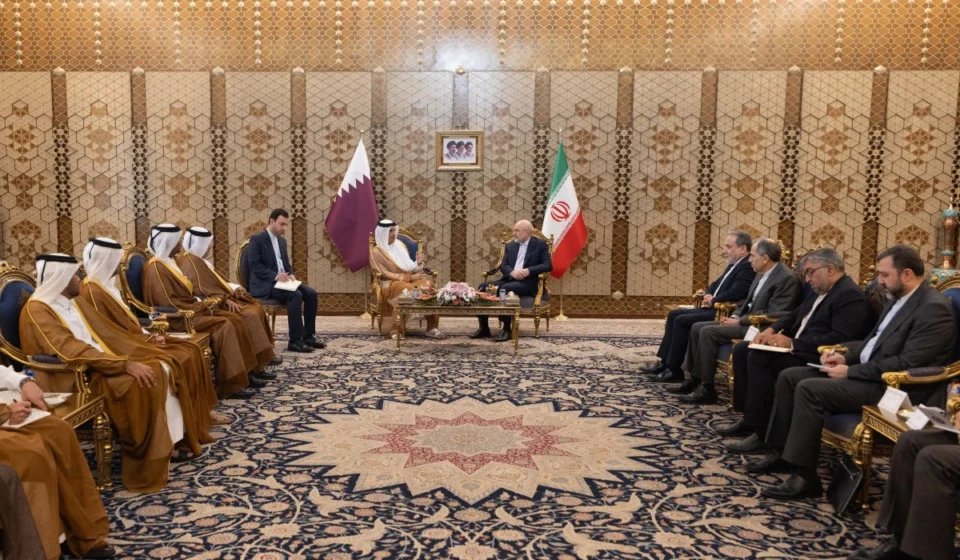
Iran, US keep talking through Qatar as Tehran warns new war could last longer
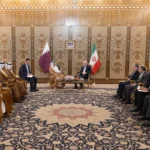
Iranian negotiators were in Doha on Sunday for a third straight day of talks with Qatari mediators, trying to find a deal that would end the eight-month war with the United States and Israel before it flares up again. The deadline everyone is watching is Tuesday’s US midterm election, after which President Donald Trump may restart attacks.
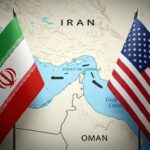
For readers far from the Gulf, the stakes are global: the war has disrupted oil and gas supplies, and the Strait of Hormuz, through which a large part of the world’s energy once passed, remains the central bargaining chip.
According to an official briefed on the talks who spoke to Reuters, Saturday’s session in Doha followed more than 12 hours of discussions on Friday between Iranian and Qatari envoys in Tehran, and the talks are being coordinated in regular contact with Washington. Secretary of State Marco Rubio said direct and indirect contacts with Iran are under way and that “talks have actually never stopped.” He would not set a timeframe, said Trump has not decided whether to launch new strikes, and said the president would prefer a diplomatic solution while being confident the US could act militarily if needed. Trump has said the US will not attack before the vote and that talks have been productive, though he has not ruled out action afterwards. That pledge dates from earlier in October, so it is a standing statement, not a new commitment.
The plans on the table do not match. Qatar brought Tehran a seven-day plan about a week ago in which both sides would take daily steps to build trust before broader peace talks. A senior Iranian official told Reuters on Friday that Tehran did not find it satisfactory. Iran has been pushing its own seven-day plan since September, which asks Washington to lift its blockade of Iranian ports, unfreeze assets and approve an Iranian-backed route through Hormuz, after which the strait would reopen. Trump has rejected it. Foreign Minister Abbas Araghchi told Al Jazeera that Iran’s plan is the only proposal on the table for reopening the strait, and an updated version he described on Saturday would shorten the reopening to two days. The disagreement is mostly about sequencing, meaning who moves first, and about whose management the strait would be under.
The US letter adds to the confusion. Vice President JD Vance wrote to Iranian security chief Mohsen Rezaei earlier this week, which the New York Times and Wall Street Journal described as an effort to restart talks. Trump has played it down, saying he approved it only to discuss letting more medical supplies into Iran. Araghchi said Iran is studying the letter, and Rezaei said Tehran has not responded. These two accounts of the same letter are hard to reconcile, and no one has published the text.
Pressure is also coming from the military side. Supreme Leader Mojtaba Khamenei ordered the armed forces to respond to any attack with a response “geographically unrestricted,” and the military then announced steps to improve readiness. On Sunday, an Iranian army spokesman, Mohammad Akraminia, warned that a new war could last longer than the last and that Trump would not decide how long it runs, according to Iranian reporting. Rezaei said Tehran was debating whether to lift its longstanding ban on nuclear weapons if fighting resumes, while stressing that no decision had been taken, and that there could be no talks on the nuclear programme until Washington accepts Iran’s demands. The AP described his comment as a question about changing Iran’s nuclear doctrine. Washington’s stated aim is to prevent Iran from getting a nuclear weapon, and Tehran says its programme is peaceful.
Violence at sea continues. On Sunday, Qatar’s state news agency and Qatar Gas Transport Company reported that a Qatari liquefied natural gas tanker, the Al Mayeda, was hit by “unidentified objects” in Gulf waters, with no crew injured and no environmental damage. No one has claimed responsibility, and I found no confirmation of who was behind it. Earlier this week, Iranian state television said another gas tanker was attacked after ignoring warnings. The UAE’s Anwar Gargash said his country hopes for a breakthrough but is “braced for the worst.”
Two other signals complicate the picture. One outlet, i24NEWS, reports that mediators have warned Iran that Trump may lose interest in a deal after the midterms, and another report says the US and Israel have prepared plans for short but intensive strikes. Both are single-source claims I could not verify. Separately, Trump called on Israelis last week to keep Prime Minister Benjamin Netanyahu in power so the two can “finish the job,” as Reuters reported, which Iran is likely to read as a sign of intent.
What is known and what is not: the talks in Doha, the competing plans, Rubio’s remarks and the tanker incident are reported by several outlets. Whether either side will accept the other’s sequencing, who attacked the Qatari tanker, and whether strikes resume after Tuesday are not known. This is a news summary of a fast-moving story and may be out of date within hours.
Sources: Reuters via Arab News, Reuters via The Jerusalem Post, Reuters via Internazionale, Devdiscourse (Rubio), Republic World (Trump, October 8), Al Jazeera (Qatari tanker), AFP via Arab News (tanker), AFP via Arab News (UAE), Naharnet (Iran army), The Levant Files, i24NEWS, Al Jazeera (live blog) and The Jerusalem Post (earlier plan).
