
















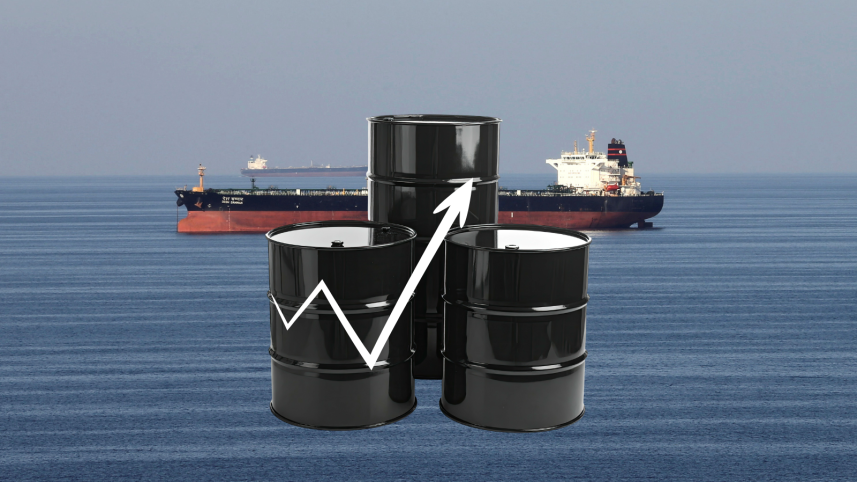
Iran expands maritime pressure; Hormuz threaten oil markets
Iran is reportedly changing its tactics against commercial shipping in and beyond the Strait of Hormuz, seeking to sustain pressure on oil prices ahead of the US midterm elections in November, according to Reuters. The reported escalation raises fresh risks for energy markets, maritime security and the wider global economy.
Two senior Iranian officials told Reuters that Tehran had adopted new methods of attacking vessels it considers to be violating its restrictions, with operations potentially extending into the Gulf of Oman and waters beyond the strait. These claims have not been independently confirmed in full, but maritime security data cited by Reuters indicates an increase in recent incidents.
The strategic importance of the waterway is substantial. Before the war, around one-fifth of global oil and liquefied natural gas trade passed through the Strait of Hormuz. Disruption there can affect not only physical supplies but also shipping costs, insurance premiums and expectations about future energy prices.
A US military official told Reuters that Iran’s Islamic Revolutionary Guard Corps (IRGC) had begun using unarmed observers aboard small boats to identify potential targets after US strikes damaged much of Iran’s radar capability. In one previously unreported incident, US forces confronted a vessel suspected of relaying targeting information, ordered its occupants to abandon ship and then destroyed it. No casualties were reported.
The reported shift suggests Iran is adapting its surveillance methods despite damage to its military infrastructure. Small vessels operating near commercial shipping can complicate threat detection, although the available reporting does not establish how extensively the tactic is being used.
The geographical expansion is equally significant. Maritime security reporting cited by Reuters indicated incidents involving vessels near Qatar and the United Arab Emirates, as well as within the Strait of Hormuz. The UK Maritime Trade Operations (UKMTO) has separately recorded attacks on tankers in the strait and incidents near Oman, the UAE and Qatar.
This wider footprint increases uncertainty for shipping operators. Vessels may face higher insurance premiums, additional security requirements, delays or route changes even when they are not directly attacked. The consequences can spread through freight markets and energy supply chains.
Iranian officials told Reuters that keeping oil prices elevated was one objective of the new strategy, linking maritime pressure to the approaching US midterm elections. The officials said Tehran wanted to frustrate US efforts to lower global energy prices.
That intention remains an attributed claim rather than independently established evidence of the strategy’s political effectiveness. Nevertheless, the economic mechanism is clear: sustained disruption to a major shipping route can increase supply concerns and raise the costs of moving energy products.
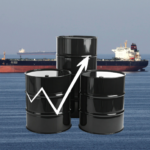
The Financial Times reported on 8 October that attacks and reduced traffic through Hormuz had contributed to rising oil prices and higher costs for shipping and refined fuels.
For Washington, the challenge is to protect maritime commerce while containing the economic consequences of a conflict that has become politically sensitive ahead of November’s vote. The United States is maintaining pressure through naval operations and sanctions, while President Donald Trump has said he would not launch another attack on Iran before the election, according to Reuters.
The Strait of Hormuz is not simply an oil-export corridor. It is a critical route for liquefied natural gas and wider maritime trade. Persistent restrictions could therefore affect energy-importing economies, transport costs and businesses already exposed to volatile fuel prices.
The effects would be uneven. Countries reliant on Gulf energy shipments could face higher import bills, while manufacturers and transport operators might encounter rising operating costs. Even where supplies remain available, uncertainty over delivery times and insurance can complicate procurement and pricing decisions.
Iranian officials told Reuters that Tehran was moving towards a complete closure for vessels violating its restrictions. Whether it can enforce such a policy across the strait remains uncertain. A US military official said Iran had been unable to prevent an increase in oil exports through the waterway after US strikes severely damaged its navy.
The immediate risk is therefore not only a formal closure, but a sustained pattern of attacks and threats that makes commercial transit more expensive and unpredictable.
The latest developments underline the difficulty of separating military pressure from economic consequences. Iran appears to be adapting its tactics, while the United States is trying to maintain pressure on Tehran and protect maritime traffic. Commercial operators must make decisions amid incomplete information about the location, frequency and nature of threats.
For energy markets, the key indicators will be the number and geographical spread of further attacks, actual shipping volumes through Hormuz, insurance costs and the response of naval forces. Political statements alone will not establish whether conditions are improving; sustained safe passage will be the more meaningful measure.
The Strait of Hormuz has become both a security flashpoint and a channel through which regional conflict can transmit costs to the global economy. Until shipping risks decline and transit becomes more predictable, energy prices and trade flows are likely to remain exposed to geopolitical developments.
Sources
- Reuters — Iran shifting tactics to step up attacks on shipping before US vote
- UK Maritime Trade Operations — Maritime security incidents and advisories
- Financial Times — Oil prices jump on tanker attacks and slowing flows through Strait of Hormuz
- The Japan Times — Reuters report on Iran’s changing maritime tactics
