

















US and Iran resume talks amid renewed tensions over Lebanon
TLE Desk: The United States and Iran were set to resume negotiations in Switzerland on Sunday after talks were delayed by renewed fighting in Lebanon, with tensions rising again over the fragile ceasefire between Israel and Hezbollah.
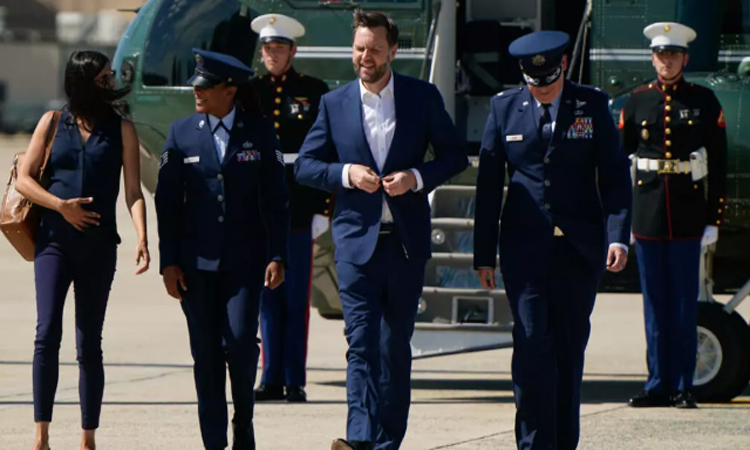
Iranian negotiators arrived in Switzerland ahead of US Vice-President JD Vance, who said the discussions would focus on Iran’s nuclear programme and efforts to preserve the ceasefire in Lebanon.
“We hope to make progress on the nuclear issue and the Lebanon ceasefire issue,” Vance told reporters before departing for Europe.
The latest round of talks follows a preliminary agreement reached earlier this month between Washington and Tehran aimed at ending hostilities and reopening negotiations over Iran’s nuclear activities.
Negotiations scheduled for Friday were postponed after Israeli strikes in Lebanon killed dozens of people, prompting concerns that the violence could derail diplomatic efforts.
Although a renewed ceasefire was announced later on Friday, clashes continued on Saturday, with Israel and Hezbollah accusing each other of violating the truce.
Iran reacted by threatening to close the Strait of Hormuz, accusing both the United States and Israel of failing to uphold commitments made under the preliminary agreement.
The strategic waterway, through which a significant share of global oil shipments passes, had previously been reopened following the US-Iran accord after months of disruption during the conflict.
However, US Central Command said maritime traffic through the strait remained unaffected and that American forces continued to ensure freedom of navigation.
President Donald Trump also warned that Washington could impose its own transit charges in the Strait of Hormuz if negotiations failed to produce a final agreement.
An Iranian delegation led by Foreign Minister Abbas Araghchi and parliamentary speaker Mohammad Bagher Ghalibaf arrived in Switzerland late on Saturday.
Iranian officials said they would seek guarantees that commitments made under the agreement would be implemented.
The talks are expected to begin a two-month negotiation process aimed at resolving outstanding issues, particularly the future of Iran’s nuclear programme.
Pakistan and Qatar are acting as mediators in the discussions, with technical-level meetings scheduled in Burgenstock involving representatives from both countries as well as US and Iranian officials.
Meanwhile, the situation in Lebanon remains volatile despite the ceasefire announcement.
The Israeli military reported the death of another soldier during fighting in southern Lebanon, while Lebanese authorities said Israeli air strikes had hit multiple locations, leaving more than 30 people dead.
Hezbollah accused Israel of attempting to advance into strategic areas in southern Lebanon, while Israel maintained it was responding to attacks by the militant group.
The continued violence has raised doubts over the durability of the ceasefire and poses a potential threat to the wider diplomatic process between Washington and Tehran.
With negotiations now under way, diplomats face the challenge of maintaining momentum towards a broader settlement while preventing renewed regional conflict from undermining progress.