
















Skip to content
  • Linkedin
  • Facebook
  • Youtube
The Laborecon The Laborecon
  • Home
  • Economy
  • Monetary
  • Geography
    • Middle East
    • South Asia
    • Southeast Asia
  • AI & Climate
  • Corporate
  • RMRN
  • Home
  • Economy
  • Monetary
  • Geography
    • Middle East
    • South Asia
    • Southeast Asia
  • AI & Climate
  • Corporate
  • RMRN
Exclusive
Delhi protests and electoral controversy media narratives
Delhi protests and electoral controversy, media narratives
1200x800
Nvidia withstands AI credit jitters as Broadcom, Oracle shares slide
fotonoticia 20260921170818 1920 42 1200x675
US DOJ investigates five TV networks over Trump coverage boycott
a121d422 b48a 4ce2 97ce 23cf49e49b65 cbb54ebc
China rejects currency manipulation claims as EU trade tensions deepen
images 1
Iran drives global executions to 44-year high, EU to abolish death penalty
paris student protests monument republic
France’s school protests expose deeper crisis of public services
261010 cockroach nd f8d914
India detains thousands as ‘Cockroach’ youth protests challenge Modi
download 1
Pennsylvania shooting leaves 8 victims, suspected gunman dead
1791524546 6cdcf3656921abd83e675fe83b64851e
Riyadh airport strike kills 12, including as Trump weighs US intervention
Powerful 7.7 earthquake shakes Panama as tsunami warning is lifted
getty 6aca005cc4 1791623260
Delhi locked down as police detain protest leaders over voter-roll dispute
Dark Gallery View Team Meeting
RMRN CT reviews regional structure, activities
108380607 1791534375907 gettyimages 2298585875 AFP D2MC8LX
France’s school protests expose the social cost of fiscal restraint
5258
France’s debt crisis deepens, colliding with bond-market pressure
deccanherald 2026 07 23 zj2hyayv file86u8rdxhkps1bqs2ct9z
Delhi deploys up to 35,000 security personnel as India’s youth protest
B5FIOD2ASJDYTMHLAE2BNKCFWI
Delhi lockdown, arrests overshadow youth protest over India’s voter-list revisions
Indias Gen Z ‘Cockroach Party returns to streets national protest
India’s Gen-Z ‘Cockroach Party’ returns to streets, national protest
BOKZGEVX35NOFOFMPQYYBP2WG4
US, Ukraine and Europe seek peace proposal
BTXUCWFYBNO6RJ5ZDEQJ57QJSQ
Trump attacks NPP decision, claiming award should have gone to him
Global Newsroom Portrait
Poornima Naik Joins RMRN CT as LRGA
a121d422 b48a 4ce2 97ce 23cf49e49b65 cbb54ebc
Monetary

China rejects currency manipulation claims as EU trade tensions deepen

October 11, 2026

Beijing argues yuan depreciation is not behind its export strength as Brussels presses for a more balanced trading relationship

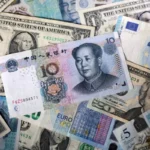
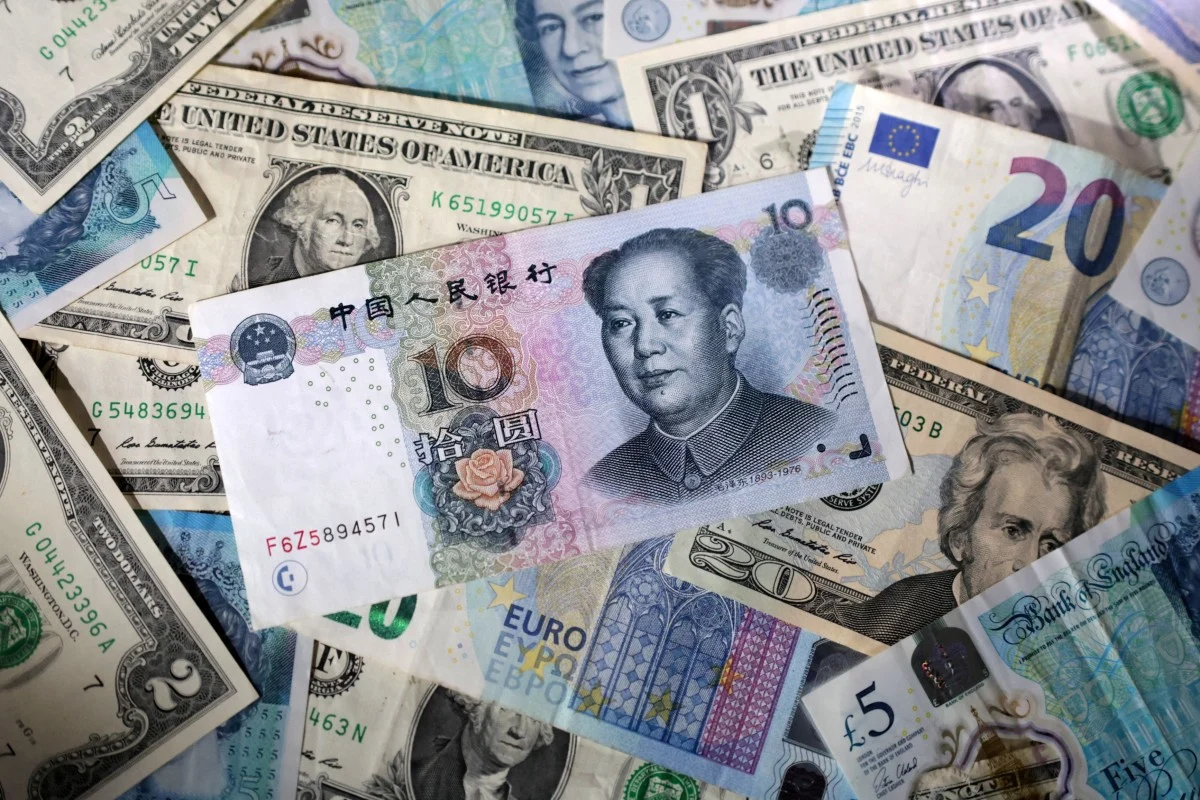
China’s central bank has rejected allegations that Beijing deliberately keeps its currency undervalued to strengthen exports, pushing back against European concerns that the yuan’s exchange rate contributes to the European Union’s growing trade deficit with China.

The People’s Bank of China (PBOC) published a position paper on the yuan on 8 October, arguing that China neither needs nor intends to secure a competitive advantage through currency devaluation. The statement coincided with a new round of EU-China trade discussions in Beijing, where officials were seeking progress on trade imbalances and market access.

The dispute reflects a broader disagreement over the sources of China’s export competitiveness. European policymakers have increasingly questioned whether the yuan’s valuation makes Chinese goods cheaper in overseas markets, while Beijing attributes its export strength to industrial capacity, productivity and structural advantages.

The EU’s trade deficit with China has become a central concern for European policymakers. The bloc has pressed Beijing to address the imbalance as Chinese exports of manufactured goods, including vehicles, machinery, textiles and chemicals, intensify competition for European producers.

European officials have also raised concerns about market access and restrictions on exports of critical minerals, including rare earths. These issues have added to tensions over industrial policy, subsidies and the competitiveness of domestic manufacturers.

China, however, has argued that global trade imbalances cannot be explained by exchange rates alone. In its position paper, the PBOC pointed to structural differences in the international division of labour, weaknesses in the international monetary system, and persistently high fiscal deficits and consumption in some economies.

Beijing’s position is that changing the yuan’s exchange rate would not resolve the underlying causes of trade imbalances. European policymakers, by contrast, see currency valuation as one factor that may be affecting the competitiveness of imports from China.

The talks brought together European Trade Commissioner Maroš Šefčovič and Chinese Commerce Minister Wang Wentao for discussions on trade and investment. The EU sought tangible progress on the trade deficit and market access, while China called for disputes to be handled through dialogue and within the framework of World Trade Organisation rules.

The discussions also took place amid wider European debate over how to respond to Chinese industrial competition without escalating trade tensions. European governments have considered stronger trade-defence measures, while Beijing has warned against protectionist policies.

The currency dispute is therefore part of a wider negotiation over how the two economic powers manage competition, industrial policy and access to each other’s markets.

For the EU, the challenge is to address concerns among European industries without triggering a damaging trade confrontation. For China, defending its exchange-rate policy is part of resisting what it describes as attempts to restrict its exports through political pressure.

The outcome will depend not only on the yuan’s valuation but also on progress in resolving market-access disputes and other structural differences shaping trade between the two sides.

Sources: South China Morning Post, Reuters (8 October 2026), Reuters (7 October 2026) and Swissinfo/Bloomberg.

Related Posts:

  • The invisible system holding the economy together
  • Iran’s economic survival strategy faces its hardest test
  • EU-China trade tensions raise fears of looming trade war
  • Bangladesh-India ties tell different stories across…
  • France’s debt crisis deepens, colliding with…
  • EU debt puts pressure on next seven-year budget
Author

Md Tarek Hossain

I’m Md. Tarek Hossain, a Bangladesh-based business journalist and editorial specialist with experience in print, digital, and broadcast journalism. My academic background is in Economics, and my professional interests include economic data journalism, data analysis, media monitoring, fact-checking and regional narratives, particularly across South and Southeast Asia and the Middle East. I’m interested in journalism that connects economic data with people’s lived experiences and examines how policies, markets, and political decisions affect communities. I also work on collaborative media research and initiatives focused on journalism, media diplomacy, and regional perspectives.

Follow Me
Other Articles
images 1
Previous

Iran drives global executions to 44-year high, EU to abolish death penalty

fotonoticia 20260921170818 1920 42 1200x675
Next

US DOJ investigates five TV networks over Trump coverage boycott

No Comment! Be the first one.

Leave a Reply Cancel reply

Your email address will not be published. Required fields are marked *

© 2026 The Laborecon. All Rights Reserved. Financed by DPH Agency | Managed by RMRN | Knowledge Partner: ESSB | News Mail: thelaborecon@gmail.com | RMRN Media Diplomacy: mediadiplomacy.rmrn@gmail.com