









India detains thousands as ‘Cockroach’ youth protests challenge Modi
Security lockdown disrupts New Delhi as demonstrators demand election chief’s resignation; allegations of voter exclusion intensify political tensions
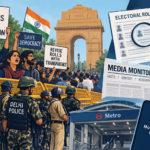
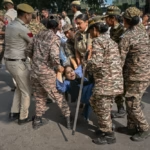
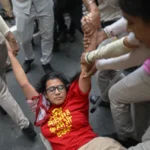
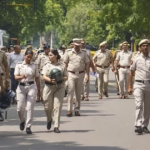
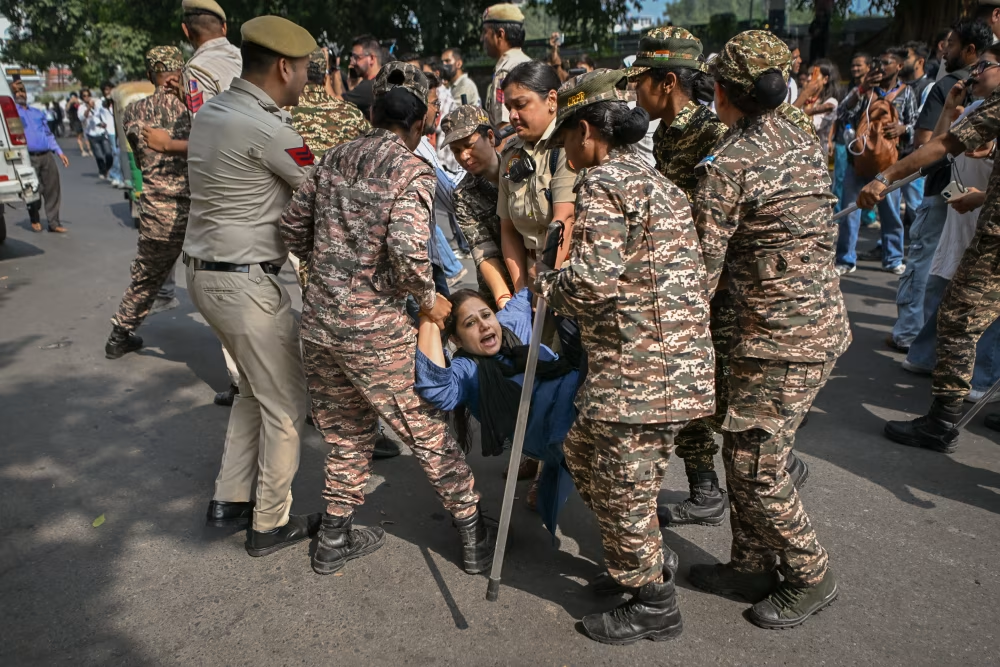
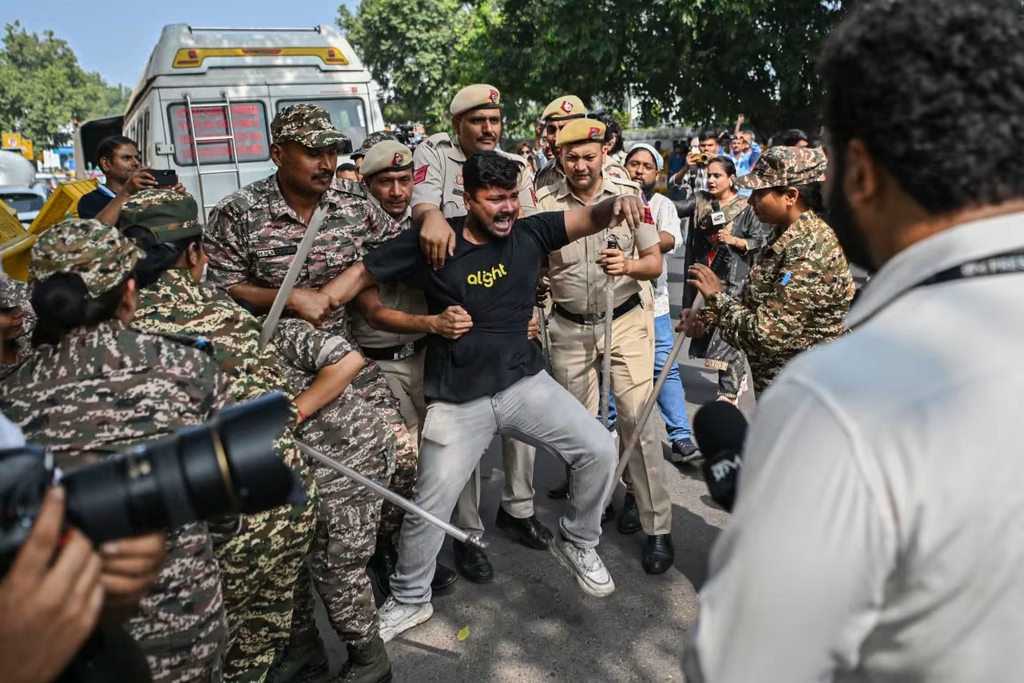
Indian authorities detained more than 2,000 protesters and imposed sweeping security restrictions across parts of New Delhi on Saturday, 10 October, as a youth-led movement attempted to stage a demonstration against changes to the country’s electoral rolls. The crackdown disrupted transport and communications in parts of the capital and prevented many demonstrators from reaching the designated protest site.
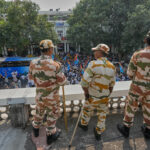
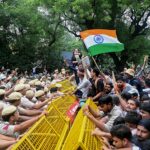
The Associated Press reported that police intercepted protesters travelling to Jantar Mantar, detained activists and opposition politicians, and erected barricades around the protest area. Reuters separately reported that more than 2,000 people were detained as thousands of police and paramilitary personnel were deployed, mobile internet services were suspended in parts of central Delhi, and metro stations and markets were closed.
The demonstration was organised by the Cockroach Janata Party (CJP), a youth-led movement demanding the resignation of Chief Election Commissioner Gyanesh Kumar over the Election Commission’s Special Intensive Revision (SIR) of voter lists. The movement said police had deliberately intercepted its leadership before the protest could begin, describing the action as an attempt to undermine peaceful demonstrations.
CJP founder Abhijeet Dipke and other movement leaders were among those detained, according to reports by Reuters and the Associated Press. Police also detained opposition lawmakers and student activists as demonstrators attempted to reach Jantar Mantar and other locations in the capital.
Authorities said permission for the planned rally had been denied because the application was submitted late. Police enforced restrictions on gatherings in parts of New Delhi and deployed anti-riot vehicles and security personnel around key routes.
The government’s Bharatiya Janata Party (BJP) dismissed the demonstration. Party spokesperson Sambit Patra described the protesters as “anarchic elements”, according to the Associated Press.
The crackdown nevertheless drew criticism from opposition figures, who accused the authorities of restricting the right to peaceful assembly. Some demonstrators staged smaller gatherings after authorities blocked access to the main protest site.
At the centre of the protests is the revision of electoral rolls, an exercise that has reportedly removed around 130 million names from voter lists. Reuters and The Indian Express have reported on the scale of the deletions and the resulting political controversy.
Opposition parties and activists allege that the process risks excluding eligible voters and could disproportionately affect communities less able to meet documentation requirements. They have called for Kumar’s resignation and greater transparency in the revision process.
The Election Commission and the government reject allegations of deliberate voter manipulation. Officials say the exercise is intended to improve the accuracy of electoral rolls by removing duplicate and ineligible entries. The Commission has also directed a special enrolment drive for people who may have been left off the revised lists.
The number of deleted entries should not be treated as equivalent to the number of eligible voters unlawfully deprived of their voting rights. Establishing the extent of any wrongful exclusion requires evidence about individual cases, verification procedures and opportunities for affected voters to re-register.
The Cockroach movement first gained prominence through protests over alleged examination paper leaks and youth-related grievances. Its earlier campaign culminated in Education Minister Dharmendra Pradhan’s resignation in July, according to the Associated Press and Reuters.
The latest mobilisation broadens the movement’s demands from education and youth concerns to electoral integrity and the conduct of constitutional institutions. Its campaign has also attracted support from opposition parties and student organisations.
The scale of Saturday’s security operation highlights the growing confrontation between protesters and the authorities over public assembly and electoral reform. However, the long-term political consequences remain uncertain.
The central issue now extends beyond the detention of demonstrators: whether the electoral revision can be shown to protect the accuracy of voter lists without excluding eligible citizens, and whether the authorities will provide sufficient transparency and remedies to sustain public confidence in the process.
Sources: Associated Press; Reuters; The Indian Express; Election Commission of India.
