


















China rejects currency manipulation claims as EU trade tensions deepen
Beijing argues yuan depreciation is not behind its export strength as Brussels presses for a more balanced trading relationship
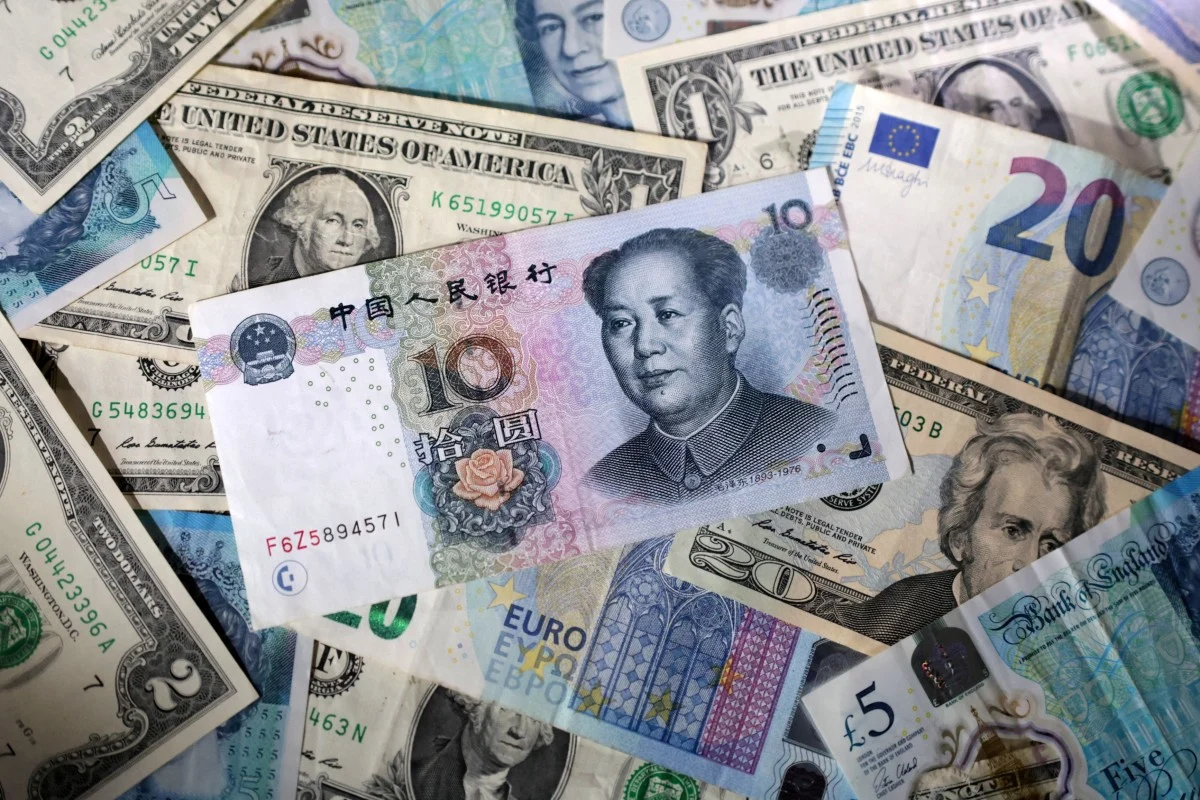
China’s central bank has rejected allegations that Beijing deliberately keeps its currency undervalued to strengthen exports, pushing back against European concerns that the yuan’s exchange rate contributes to the European Union’s growing trade deficit with China.
The People’s Bank of China (PBOC) published a position paper on the yuan on 8 October, arguing that China neither needs nor intends to secure a competitive advantage through currency devaluation. The statement coincided with a new round of EU-China trade discussions in Beijing, where officials were seeking progress on trade imbalances and market access.
The dispute reflects a broader disagreement over the sources of China’s export competitiveness. European policymakers have increasingly questioned whether the yuan’s valuation makes Chinese goods cheaper in overseas markets, while Beijing attributes its export strength to industrial capacity, productivity and structural advantages.
The EU’s trade deficit with China has become a central concern for European policymakers. The bloc has pressed Beijing to address the imbalance as Chinese exports of manufactured goods, including vehicles, machinery, textiles and chemicals, intensify competition for European producers.
European officials have also raised concerns about market access and restrictions on exports of critical minerals, including rare earths. These issues have added to tensions over industrial policy, subsidies and the competitiveness of domestic manufacturers.
China, however, has argued that global trade imbalances cannot be explained by exchange rates alone. In its position paper, the PBOC pointed to structural differences in the international division of labour, weaknesses in the international monetary system, and persistently high fiscal deficits and consumption in some economies.
Beijing’s position is that changing the yuan’s exchange rate would not resolve the underlying causes of trade imbalances. European policymakers, by contrast, see currency valuation as one factor that may be affecting the competitiveness of imports from China.
The talks brought together European Trade Commissioner Maroš Šefčovič and Chinese Commerce Minister Wang Wentao for discussions on trade and investment. The EU sought tangible progress on the trade deficit and market access, while China called for disputes to be handled through dialogue and within the framework of World Trade Organisation rules.
The discussions also took place amid wider European debate over how to respond to Chinese industrial competition without escalating trade tensions. European governments have considered stronger trade-defence measures, while Beijing has warned against protectionist policies.
The currency dispute is therefore part of a wider negotiation over how the two economic powers manage competition, industrial policy and access to each other’s markets.
For the EU, the challenge is to address concerns among European industries without triggering a damaging trade confrontation. For China, defending its exchange-rate policy is part of resisting what it describes as attempts to restrict its exports through political pressure.
The outcome will depend not only on the yuan’s valuation but also on progress in resolving market-access disputes and other structural differences shaping trade between the two sides.
Sources: South China Morning Post, Reuters (8 October 2026), Reuters (7 October 2026) and Swissinfo/Bloomberg.
