




Conflict threatens Ebola response in DR Congo
With more than 5,600 confirmed deaths and thousands of infections, escalating violence in eastern Democratic Republic of Congo is disrupting medical operations, exposing healthcare workers to danger and complicating efforts to contain one of the deadliest Ebola outbreaks in the country’s history.
The World Health Organisation (WHO) has called for an end to fighting in eastern Democratic Republic of Congo (DRC), warning that escalating insecurity is putting patients, healthcare workers and the country’s already strained Ebola response at serious risk.
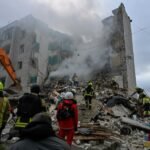
WHO Director-General Tedros Adhanom Ghebreyesus appealed on Sunday after heavy fighting broke out near a hospital in Ituri province, close to the area where the current outbreak first emerged. Medical personnel and humanitarian partners were reportedly forced to take shelter inside the hospital’s maternity ward for more than 24 hours.
In a statement shared on social media platform X, Tedros said the clashes had disrupted hospital operations and the wider Ebola response. The organisation was working with humanitarian partners to arrange a safe exit for its team while calling for the protection of patients, medical staff and healthcare facilities.
“The best medicine is peace,” Tedros said, underscoring the growing threat that armed conflict poses to emergency healthcare in the region.
The appeal comes as the outbreak continues to spread across eastern and north-eastern parts of the country. According to WHO’s disease outbreak update published on 20 November, the DRC had recorded 11,613 confirmed cases and 5,678 deaths as of 17 November, representing a crude case fatality ratio of 48.9 per cent. The outbreak had affected 68 health zones across eight provinces, with active transmission continuing in 48 of them.
Ituri and Nord-Kivu remain the most affected provinces. Although some areas have recorded a decline in infections, WHO has warned that sustained, high-level transmission continues across the country. The latest figures also indicate that the outbreak remains geographically widespread despite improvements in certain localities.
The scale of the crisis is compounded by the difficulty of delivering timely medical assistance. WHO reported that 452 of the 720 deaths recorded during the three weeks preceding 17 November occurred within communities rather than dedicated treatment centres. This suggests persistent challenges in identifying infections early and ensuring that patients reach appropriate medical facilities in time.
The proportion of deaths occurring outside treatment centres, particularly among young children, raises further concerns about access to healthcare, public awareness and the effectiveness of disease surveillance. Delayed detection can allow transmission to continue within communities before suspected cases are identified and isolated.
Security conditions have emerged as one of the most significant obstacles to containing the outbreak. In remarks delivered to WHO member states on 11 November, Tedros identified insecurity as a major constraint on the response, citing attacks on civilians, healthcare workers and medical facilities. He also reported that more than 1,000 contacts had been lost to follow-up and three confirmed cases remained unaccounted for following an attack in the country.
These disruptions have consequences beyond immediate physical safety. Violence can prevent surveillance teams from reaching affected communities, interrupt contact tracing, delay laboratory testing and discourage patients from seeking treatment. It can also weaken trust between communities and health authorities, making outbreak control more difficult.
The challenges are particularly serious for a disease that requires rapid identification, isolation, supportive medical care, infection prevention and systematic monitoring of people who may have been exposed. According to WHO, the response has expanded through stronger surveillance, laboratory capacity, clinical care and community engagement, but further expansion is necessary.
The current outbreak is caused by the Bundibugyo virus, a type of Ebola virus for which no approved vaccine or specific treatment is currently available. WHO has reported that clinical research is advancing, including trials involving the Ervebo vaccine and the development of additional vaccine candidates specifically targeting the Bundibugyo virus. However, the organisation continues to emphasise that early detection, appropriate care, contact tracing and community engagement remain essential to saving lives.
The outbreak was declared a public health emergency of international concern on 15 May 2026. On 18 November, following the advice of its International Health Regulations Emergency Committee, WHO Director-General Tedros determined that the emergency status should remain in place.
The situation also has implications beyond the DRC’s borders. Although WHO reported no new cases in Kenya or Nigeria in its latest update, both countries remained under heightened surveillance and were completing the required 42-day monitoring period before declaring their outbreaks over. WHO has continued to stress the importance of cross-border preparedness, particularly given population movement between affected areas and neighbouring countries.
For the DRC, however, the immediate challenge remains securing safe access to communities and protecting the health infrastructure needed to contain the disease. The latest incident in Ituri demonstrates how quickly armed violence can undermine months of public health work. Without reliable access for medical teams, effective surveillance and the protection of healthcare facilities, the country’s efforts to contain the outbreak risk being further delayed.
Sources: World Health Organization – Ebola disease caused by Bundibugyo virus: Democratic Republic of the Congo, Kenya and Nigeria, 20 November 2026; Reuters – WHO chief says fighting near Congo Ebola outbreak area disrupts response efforts, 22 November 2026; Al Jazeera – WHO chief calls for peace amid heavy fighting in Ebola-hit DR Congo region, 23 November 2026; US Centers for Disease Control and Prevention – Ebola Outbreak: Current Situation, 20 November 2026; WHO – Director-General’s opening remarks at the Member State briefing on the Ebola outbreak in the DRC, 11 November 2026.