










Vance arrives in Switzerland as US and Iran begin nuclear talks
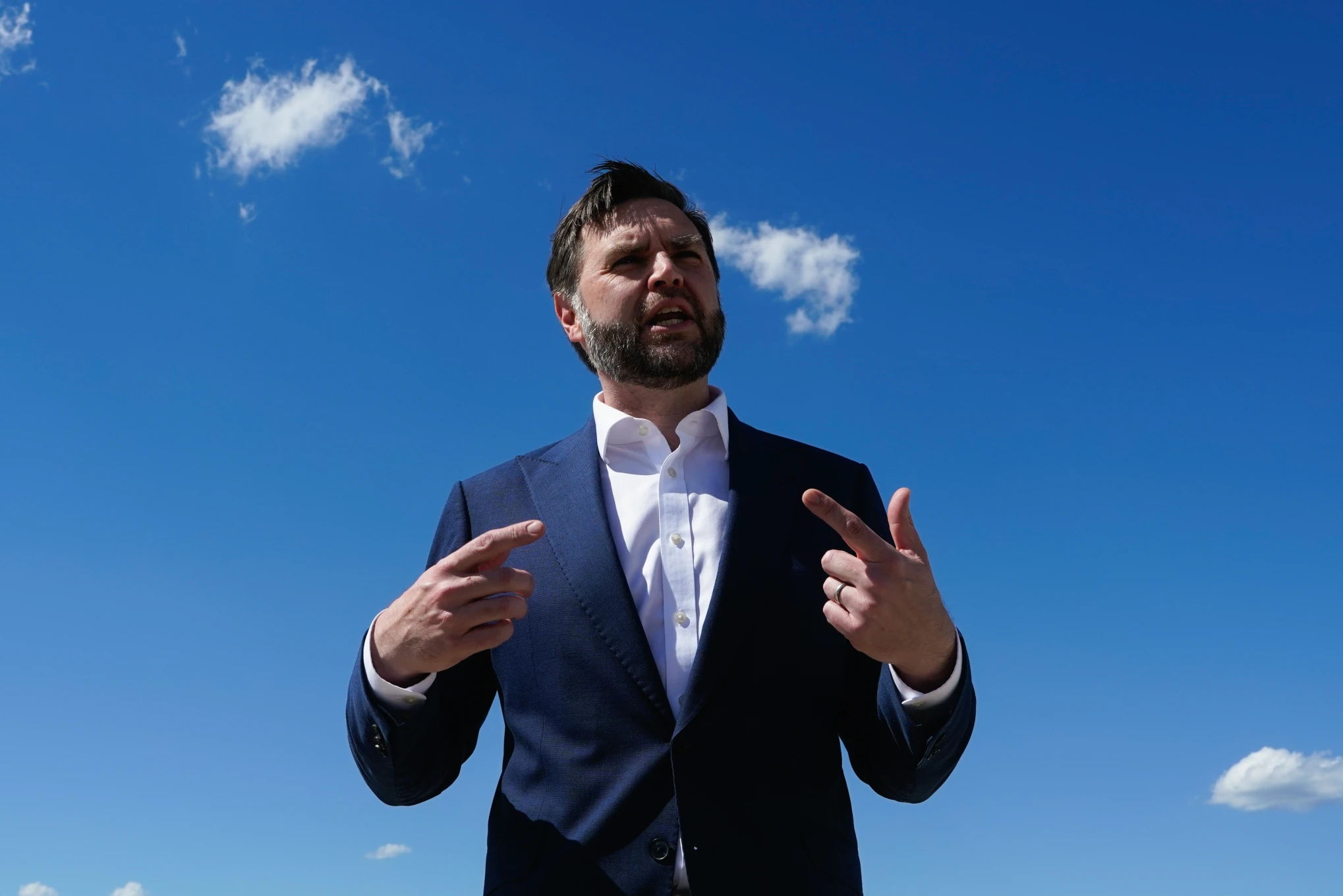
TLE Desk: US Vice-President JD Vance arrived in Switzerland on Sunday to formally launch negotiations with Iran aimed at curbing Tehran’s nuclear programme and strengthening a fragile agreement intended to end months of conflict in the Middle East.
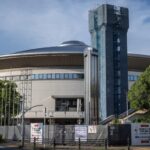
Vance and Second Lady Usha Vance landed at Emmen Air Base near Lucerne ahead of high-level talks at the Bürgenstock resort, where American and Iranian negotiators are beginning a 60-day process to resolve outstanding issues under an interim accord signed last week.
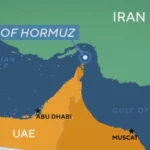
The talks come amid renewed tensions following clashes between Israel and Hezbollah in Lebanon and Iran’s announcement that it had once again closed the Strait of Hormuz, one of the world’s most important oil shipping routes.
The negotiations had originally been scheduled to begin on Friday but were delayed after heavy fighting erupted in southern Lebanon, prompting Iranian officials to postpone their participation.
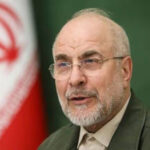
Iran’s delegation, led by Foreign Minister Abbas Araghchi and parliamentary speaker Mohammad Bagher Ghalibaf, arrived in Switzerland earlier on Sunday. Senior officials from Iran’s central bank and oil ministry are also taking part in the discussions.
The United States is being represented by Vance, special envoy Steve Witkoff and presidential adviser Jared Kushner, who have already begun preliminary discussions on the technical aspects of the negotiations.
Pakistan and Qatar are serving as mediators, with Pakistani Prime Minister Shehbaz Sharif and Army Chief Field Marshal Asim Munir also expected to participate alongside Qatari officials.
The talks are expected to focus primarily on Iran’s nuclear activities, including the implementation of measures requiring Tehran to dilute its stockpile of highly enriched uranium.
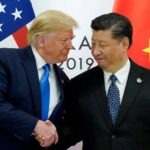
Under the interim agreement signed by President Donald Trump and Iranian President Masoud Pezeshkian, Iran has been allowed to resume oil exports and regain access to frozen assets, while both sides work towards a broader settlement.
However, the agreement has faced criticism from some Republican lawmakers and conservative commentators in the United States, who argue that it grants significant concessions to Tehran without fully dismantling its nuclear capabilities.
Further uncertainty surrounds the future of the accord because neither Israel nor Hezbollah are parties to the agreement. Israeli Prime Minister Benjamin Netanyahu has vowed to continue military operations in southern Lebanon until all security threats are removed, while Hezbollah has insisted it will not cease attacks without an Israeli withdrawal.
The first days after the US-Iran agreement were marked by violence in Lebanon that left dozens dead, raising concerns that regional tensions could derail diplomatic progress.
Despite Iran’s claim that it has again closed the Strait of Hormuz, US Central Command said commercial traffic through the waterway remains operational and that American forces continue to monitor the situation.
The negotiations in Switzerland are widely viewed as a critical test of whether the interim accord can be transformed into a broader and more durable agreement addressing both Iran’s nuclear ambitions and wider regional security concerns.