















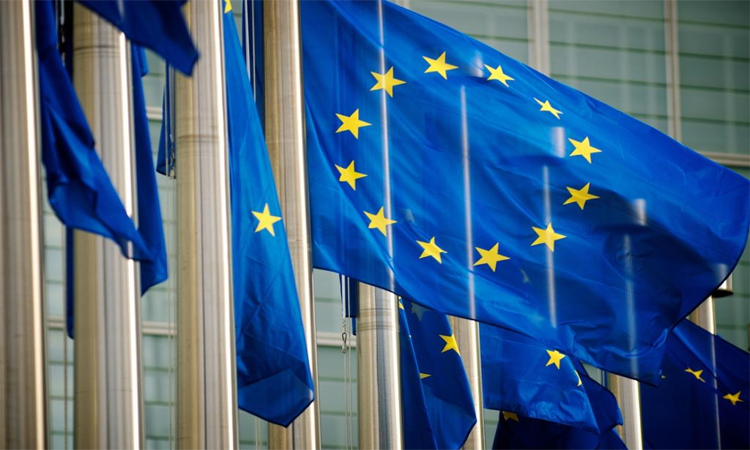
EU divided as carbon market reform battle intensifies
TLE DESK: A major political battle is unfolding in the European Union over the future of its flagship carbon pricing system, the Emissions Trading System (ETS), as the bloc prepares a key reform proposal expected on July 15.
The European Commission is under mounting pressure from industry groups, energy-intensive sectors, and several member states to soften or restructure the two-decade-old climate tool, while environmental organisations warn against weakening one of the EU’s main instruments for cutting emissions.
What is the ETS?
Launched in 2005, the EU ETS is a “cap-and-trade” system that forces major polluters — including power plants, steel, cement, chemicals, and aviation — to buy permits for each tonne of carbon dioxide they emit.
The total number of allowances is gradually reduced over time, pushing companies to cut emissions or pay more for pollution rights. Carbon prices currently hover around €75 per tonne, making it a central driver of Europe’s industrial decarbonisation strategy.
Why reform is now urgent
The reform comes amid heightened political sensitivity in Europe over energy costs, industrial competitiveness, and global geopolitical tensions that have pushed up prices.
According to officials and analysts, the debate has intensified as EU industries face pressure from cheaper production in the United States and China, while energy costs remain volatile following recent international conflicts affecting oil and gas markets.
The European Commission says the system must be reviewed as planned, but acknowledges it must balance climate goals with economic resilience.
Deep political divisions inside the EU
EU member states are sharply split over how strict the system should remain.
Countries such as Italy and Poland have called for major easing of the rules or even temporary suspension of parts of the system, arguing that carbon costs are harming industry and electricity prices.
By contrast, countries including Spain and several Nordic states strongly defend the ETS as essential for meeting climate targets.
Major economies like Germany and France are pushing for a middle ground, calling for “adjustments” rather than dismantling the system.
A senior Polish official summed up the skepticism from some capitals, saying: “ETS is not a religion — it’s a regulatory tool.”
What Brussels is considering
The European Commission is expected to propose a set of modifications aimed at reducing volatility and easing pressure on industry, without abandoning the core cap-and-trade framework.
Key options under discussion include:
- Slower phase-out of free carbon allowances for industry (beyond the current 2034 timeline)
- Adjustments to the carbon market stability mechanism to reduce price fluctuations
- Revised benchmarks for 2026–2030 to increase free allocations for energy-intensive sectors
- Greater use of ETS revenues to support industrial decarbonisation
One proposal under consideration could reduce industrial costs by up to €4 billion by 2030 by increasing compensation for indirect carbon costs embedded in electricity prices.
Aviation and expansion disputes
The reform also revisits whether the ETS should be expanded to cover additional sectors, including:
- Waste management
- International flights departing the EU
Airlines have strongly opposed the aviation expansion, warning it could increase ticket prices and undermine global aviation carbon rules.
ETS2 also under pressure
The planned second carbon trading system, known as ETS2, which would extend carbon pricing to road transport and buildings, has already been delayed from 2027 to 2028 due to opposition from several member states.
Environmental groups warn that political concessions on both ETS1 and ETS2 could significantly weaken the EU’s climate ambitions.
Outlook
The European Commission insists it remains committed to preserving the ETS as the backbone of EU climate policy. However, officials privately acknowledge that the July proposal is shaping up to be one of the most politically sensitive climate decisions in recent years.
The outcome is expected to define how Europe balances industrial competitiveness with its long-term goal of deep emissions cuts in the coming decade.