










Russian death records reveal nearly 500,000 military deaths in Ukraine
Leaked government statistics analysed by the BBC and independent Russian investigators expose the scale of Russia’s battlefield losses, with young men and residents of poorer regions bearing a disproportionate share of the human cost.
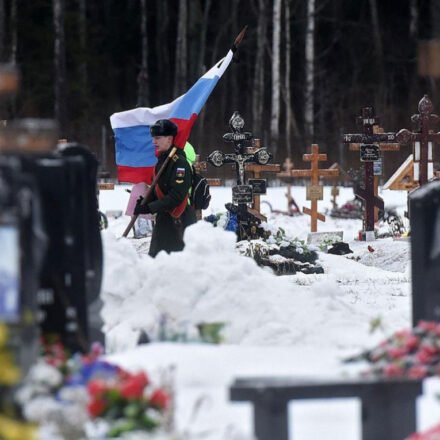
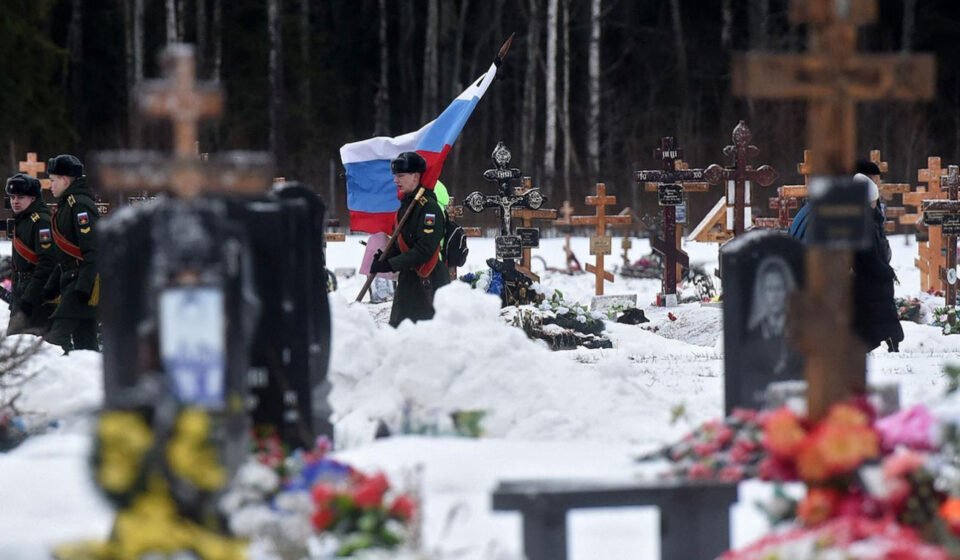
Russia has recorded at least 490,334 military deaths since launching its full-scale invasion of Ukraine in February 2022, according to an analysis of leaked government statistics by the BBC Russian Service. The findings offer one of the clearest indications yet of the war’s human cost, drawing on mortality records from Russia’s own state statistics agency rather than official battlefield casualty announcements.
The figures, covering deaths registered through September 2026, challenge the Kremlin’s continued reluctance to disclose military fatalities. They also reveal how the prolonged conflict has altered mortality patterns across Russia, with battlefield deaths accounting for a substantial proportion of fatalities among younger men. BBC News +1
The records originated from a cyberattack on Rosstat, Russia’s federal statistics agency, carried out by Belarusian hacking group Cyber Partisans and the Ukrainian collective Silent Crow. The groups obtained access to government databases containing millions of death registrations and subsequently shared the material with independent journalists.
Rosstat acknowledged the cyberattack but denied that protected information had been compromised. The hackers’ claims about the breach and the authenticity of the material therefore required independent verification. BBC Russian and Mediazona, an independent Russian investigative outlet, compared the records with their existing database of identified Russian military deaths and found substantial overlap. Mediazona separately reported that its examination of the leaked records confirmed their authenticity through comparisons with probate records, court rulings, other civil registry data and previously published government statistics. en.zona.media +2
The significance of the findings lies not only in the overall death toll but also in the way losses are distributed. According to the BBC analysis, 65 per cent of Russian men aged 18 to 24 who died in 2025 were killed in the war. Among those aged 25 to 34, the proportion was 59 per cent. Cardiovascular disease remained the leading cause of death only among men aged 45 to 54. The figures suggest that the invasion has become a major determinant of mortality among Russia’s younger male population. BBC News +1
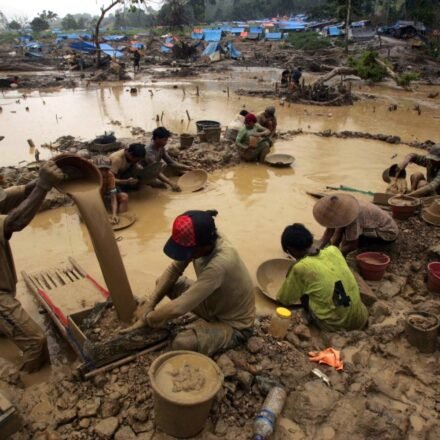
The geographical distribution also exposes an economic dimension to the casualties. Men from poorer regions in eastern Siberia, particularly Tuva, Buryatia and Zabaykalsky Krai, were estimated to be 20 to 25 times more likely to die in the conflict than residents of Moscow and St Petersburg. These disparities raise questions about the unequal distribution of military recruitment and the economic pressures facing communities far removed from Russia’s political and financial centres. BBC News +2
The battlefield figures offer another measure of the scale of the losses. BBC Russian’s analysis found that approximately 20,000 Russian soldiers died fighting for control of 10 Ukrainian villages with a combined pre-war population of around 12,000. In Andriivka, a small settlement south of Bakhmut in the Donetsk region, 1,122 Russian soldiers were recorded as having died. The village had only 74 residents before the invasion. Such figures illustrate the extraordinary human cost of territorial advances measured in relatively small settlements. BBC News
However, the 490,334 figure should not be interpreted as the complete death toll. It represents deaths already registered in the available government records, not every soldier who has died. Military deaths can take months or even years to register, particularly when soldiers disappear during combat and are subsequently declared dead through court proceedings.
This distinction is central to a separate investigation by Mediazona and Meduza. Using the leaked Rosstat records alongside Russia’s Probate Registry and information about missing servicemen, the outlets estimated that approximately 700,000 Russian military personnel had died by September 2026. Their model accounts for deaths that had occurred but had not yet entered the official statistics. The estimate is higher than the BBC’s registered-death figure because it includes missing personnel believed to have died. en.zona.media +2
The independent investigations also provide an important cross-check. Mediazona, working with BBC Russian and volunteers, had identified approximately 290,000 Russian military deaths by name through publicly available records, including obituaries, family announcements, regional news reports and cemetery information. This is a documented minimum rather than a comprehensive count. Its researchers found that the leaked government records matched 95.1 per cent of the soldiers on their named list with death dates covered by the dataset. Other outlets analysing the same material arrived at broadly comparable estimates of registered deaths, although their totals varied according to how they classified ambiguous records and foreign nationals. en.zona.media +3
The findings also highlight the risks of relying exclusively on official Russian disclosures. Moscow has not published a comprehensive military death toll since the early months of the invasion, while Rosstat stopped releasing detailed mortality statistics for external causes in 2024. The leaked material therefore provides an unusual opportunity to examine the human consequences of the war through administrative records that would otherwise remain inaccessible.
The comparison with earlier Russian military campaigns is particularly stark. The Soviet Union lost around 15,000 personnel during its decade-long war in Afghanistan, which ended in 1989. Even the conservative registered-death figure from Ukraine represents more than 30 times that number, although differences in the duration, scale and nature of the conflicts should be considered when making historical comparisons.
For Russia, the implications extend beyond military strength. The disproportionate loss of younger men could deepen labour shortages, affect families and weaken already vulnerable regional economies. Communities that depend on working-age men may face lasting consequences through reduced household incomes, disrupted employment and the loss of future generations of workers.
The figures do not, on their own, establish the full military or political consequences of the invasion. Nor should the estimated 700,000 deaths be confused with total Russian military casualties, which also include wounded personnel. But the convergence of government records, independent investigations and demographic analysis makes one conclusion increasingly difficult to dispute: the human cost of Russia’s invasion is substantially greater than the Kremlin has publicly acknowledged. Nearly five years into the conflict, the missing figures have become as revealing as the numbers themselves.
Sources:
- BBC News – Russia’s own figures show almost 500,000 deaths in war in Ukraine (25 November 2026).
- Mediazona – Leaked Rosstat data reveals 500,000 Russian war dead; investigation with Meduza (23 November 2026).
- Meduza – More than 700,000 Russian troops died in Ukraine by late September 2026.
- Mediazona – Russian military deaths: updated named list and methodology.
- Euronews – At least 490,000 Russian soldiers killed in Ukraine, Rosstat data leak reveals (24 November 2026).
- The Guardian – More than 400,000 Russians killed fighting in Ukraine war, leaked data suggests (9 November 2026).
- Meduza – What the Rosstat data leak reveals about Russia’s military losses (24 November 2026).