


















Wall Street watches US midterms, AI investment, fiscal hang in balance
Investors are weighing the potential effects of congressional control and gubernatorial races on AI data centre expansion, regulation and public spending as US markets navigate a period of heightened volatility.
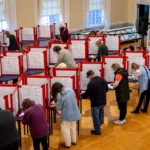
Wall Street is closely monitoring the US midterm elections as investors assess how the outcome could influence financial markets, corporate regulation and the expansion of artificial intelligence infrastructure. The vote, widely viewed as a referendum on President Donald Trump’s administration, could shape policy decisions ranging from federal spending to the construction of energy-intensive AI data centres.
With control of Congress at stake, investors are preparing for several possible political outcomes. Financial institutions have reportedly considered the prospect of a Democratic wave, which could give the party control of both chambers, although polling has indicated a more uncertain contest for the Senate.
The implications extend beyond Washington. Thirty-six gubernatorial races are also being held, and state and local governments have considerable influence over planning approvals, electricity infrastructure and permitting for data centres. These decisions have become increasingly important as technology companies expand their computing capacity to support AI development.
The expansion of data centres has become a significant concern for investors because local opposition can affect the timing, cost and feasibility of major projects. Communities have raised concerns about electricity demand, water consumption, land use and the potential impact on household utility bills.
According to the Financial Times, investment strategists have identified AI data centre development as one of the issues being contested in local and state-level races. Joseph Zidle, chief investment strategist at Cresset, said the issue had become particularly consequential because so many local contests could influence the future of data centre construction.
Ohio and Texas, two major data centre markets, are among the states holding closely watched gubernatorial elections. Democratic victories in either state could prompt investors to reassess the regulatory and political environment for new projects.
The outcome could therefore influence technology investment even without major changes to federal AI policy. State-level decisions on land, power supply, environmental approvals and infrastructure can determine whether proposed facilities move forward.
Investors are also considering how the balance of power between the White House and Congress could affect legislation and market uncertainty.
Some market participants regard divided government as a relatively predictable environment for financial assets because legislative gridlock can limit the introduction of new regulations and spending measures. Denise Chisholm, director of quantitative market strategy at Fidelity Investments, told the FT that divided government has historically constrained progress on new legislative initiatives, leaving businesses with a more familiar regulatory environment.
However, a Democratic takeover of Congress would not necessarily translate into immediate policy changes. Trump could use his presidential veto power to block legislation, potentially limiting the extent to which a Democratic-controlled Congress could alter the policy landscape.
A change in congressional control could nevertheless increase scrutiny of corporate activity. Zidle warned that greater use of congressional subpoenas and hearings could affect corporate decision-making and risk-taking.
For businesses, the consequences would depend not only on which party controls Congress but also on the extent to which political disputes translate into investigations, regulatory proposals or changes in public spending.
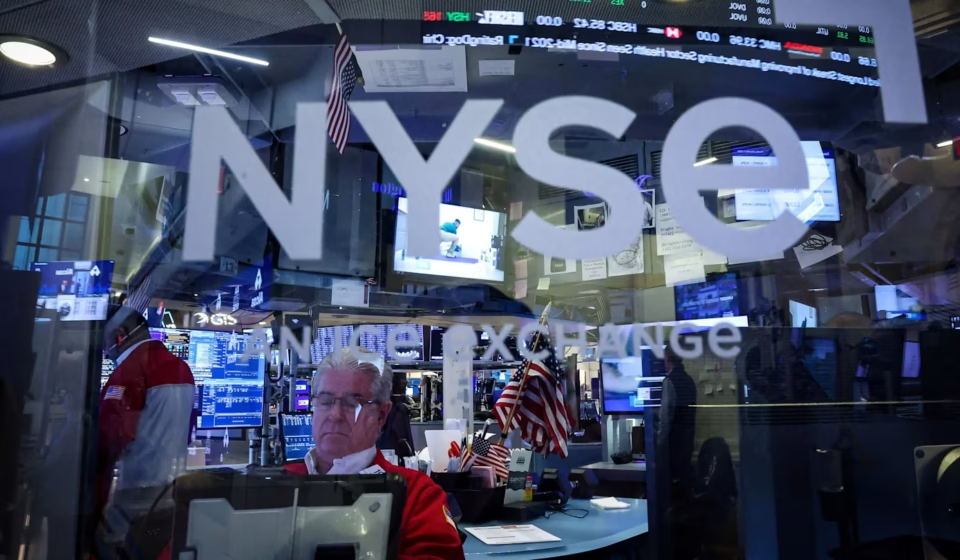
The election is taking place amid pressure on US technology stocks. The Nasdaq 100 entered correction territory on Monday, falling 10 per cent from its record high in early October. The decline reflected growing investor concerns about whether the scale of spending on AI infrastructure can be sustained.
On Tuesday, Nasdaq 100 futures were up 0.3 per cent, while S&P 500 futures were marginally lower. The yield on 10-year US Treasury bonds was slightly higher at 4.9 per cent, according to the FT report.
The combination of political uncertainty and questions over AI-related valuations has made the election particularly relevant to market positioning. Investors are examining whether changes in government could affect corporate taxation, public expenditure, technology regulation and the cost of capital.
Roger Hallam, global head of rates at Vanguard, said investors were watching how the election might influence AI regulation, government spending and the war involving Iran. Political decisions that increase military expenditure or introduce significant regulatory changes could affect risk-sensitive assets, including equities.
The midterms will not determine US economic policy on their own. The president retains substantial executive authority, while Congress controls legislation and federal appropriations. State governments also exercise considerable influence over infrastructure development and business regulation.
For investors, the significance of the election lies in how these different levels of government may interact. A change in congressional control could affect federal policy debates, while gubernatorial results could influence the pace of technology infrastructure investment in major markets.
The immediate market reaction will depend on the results, but the longer-term consequences will be shaped by subsequent legislative negotiations, regulatory decisions and state-level permitting processes.
As the United States votes, the central question for markets is not simply which party gains political control. It is how the resulting distribution of power will affect the policy environment for investment, particularly in an AI sector that has become a major driver of corporate spending and market expectations.
Sources: Financial Times, Wall Street braces as voters go to polls in high-stakes US midterm elections; Nasdaq for Nasdaq 100 market data; US Election Assistance Commission for election administration information.
