














Chicago polling places run out of ballots on Election Day
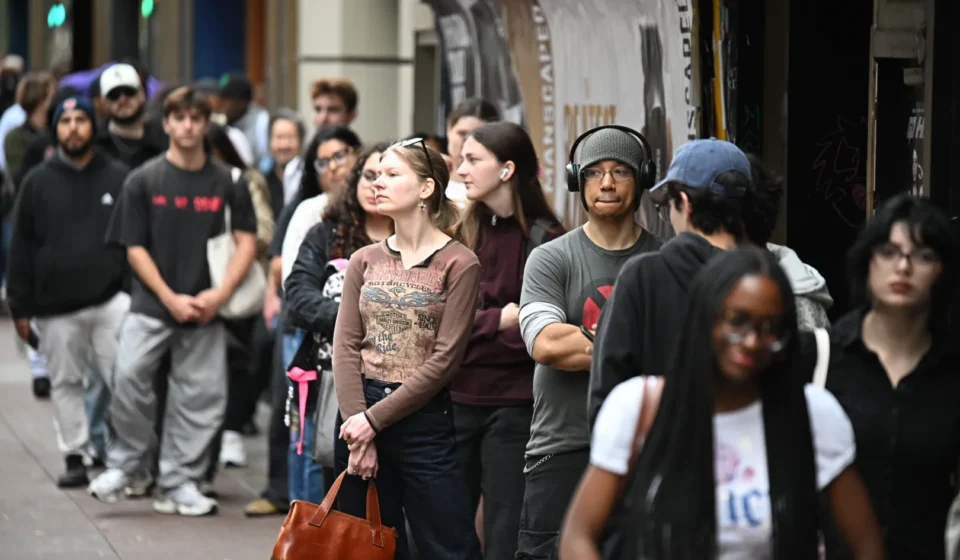
Several polling places in Chicago ran out of paper ballots on Tuesday, in some cases twice, leaving voters waiting up to two hours to use the few electronic machines available. The shortage did not appear to change the national result, but it is the kind of local failure that fuels distrust in elections.
For readers outside the US, one point helps: American elections are run by thousands of local election boards, not a national authority, so how smoothly voting goes depends on where you live.
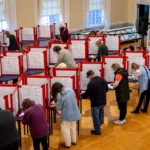
Block Club Chicago reported ballot shortages at sites in Uptown, Pilsen, Logan Square, Albany Park and the Near West Side, citing voters and election judges. Goudy Elementary School on the Far North Side ran out by 8:15 a.m. after being given 50 paper ballots. At Roosevelt High School in Albany Park, a judge said the site received about 150 ballots for one school-board district and 1,700 for another, and ran out by 11:30 a.m. Most sites had only one electronic machine. The Chicago Board of Elections said it began printing extra ballots after the first reports around 10 a.m., and some sites got more ballots only in the afternoon. ABC7 Chicago also reported one precinct where voters could not vote at all for a time because ballots ran out and the machine was not working.
The board blamed so-called split precincts, where one precinct falls across several jurisdictions and voters can have as many as seven ballot styles. This year’s ballot also included Chicago school board races, which added combinations. Confirmed shortages were in Ward 1, Precincts 4 and 5, and the board was checking reports in Wards 25 and 32. Its interim spokesperson, Julie Metea, apologised and said voters in line by 7 p.m. would be allowed to vote. She also said turnout was strong: 232,672 ballots had been cast at polling places by 3:15 p.m., compared with 227,633 at the same point in the 2022 midterms.
Officials and politicians disagree on whether turnout explains it. Alderman Daniel La Spata said high turnout would not explain running out by 9 a.m., and that election judges should have had more resources. Democratic committeeman Mike Nellis called it unacceptable, saying officials should have known turnout would be high. One voter called the situation voter suppression, but I found no evidence of intent, and the board’s explanation points to planning and printing errors. The board’s investigation should ask how many ballots were sent to each precinct and why.
I could not confirm whether any court extended voting hours in 2026. Chicago has asked judges to do so in past elections, but the results I found were from earlier years, so I am not treating them as current. I also couldn’t find the number of voters who left without voting, the figure that would show the real effect.
This is not the city’s first problem. In 2022, 73 precincts were closed ahead of the June primary after polling sites opted out and poll-worker shortages caused delayed openings. In 2018, a Hyde Park polling place ran out of ballots after a precinct was misidentified. Chicago was not alone on Tuesday: in New York’s Westchester County, scanners failed and voters were told to fill out ballots to be counted later, according to CNN, and Florida moved 19 polling places because of flooding.
What is known and what is not: the shortages, the board’s explanation and the turnout figures are reported by Block Club and local TV. The total number of voters affected, whether anyone was unable to vote, and whether the board will change its ballot-printing process are not known. This is a news summary of a local story.
Sources: Block Club Chicago, ABC7 Chicago (board response), ABC7 Chicago (Logan Square), CNN (Westchester, Florida), Capitol Fax (2022), NBC Chicago (2022 investigation) and Chicago Maroon (2018).
