












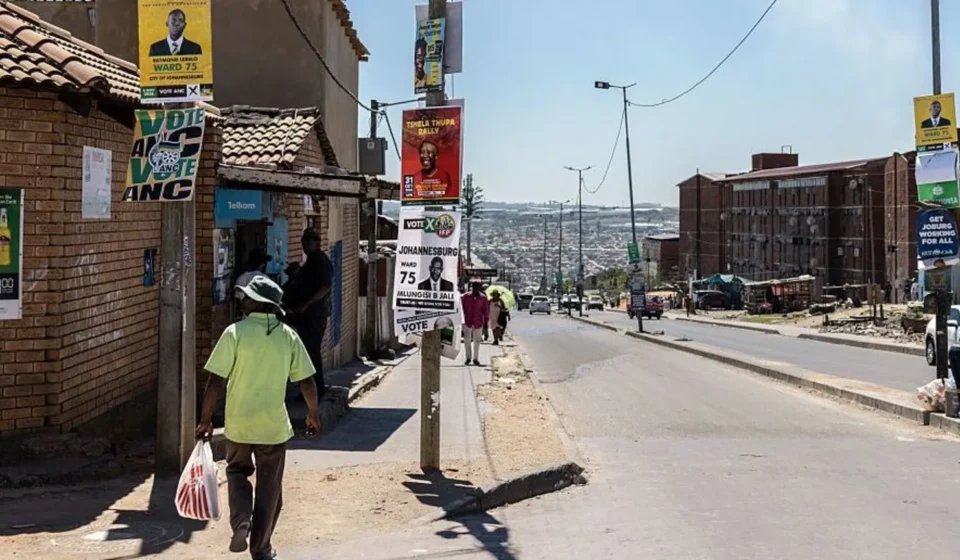
South Africans vote in local elections as the ANC faces losses
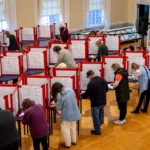
South Africans voted on Wednesday, November 4, in local elections that polls expect to deliver the African National Congress (ANC) its worst result yet. The party has led the country since apartheid ended in 1994, but it lost its national majority in 2024 and now governs in coalition with the Democratic Alliance (DA).
For readers outside Africa, the vote matters because local councils run water, electricity and rubbish collection, and failures there have become the main political issue. No results were available when I checked, so this report covers the run-up, not the outcome.
More than 500 parties are contesting, and about 29 million people are registered to vote, according to the BBC. The ballot covers 10,526 council seats across eight big cities, called metros, 205 local municipalities and 44 district municipalities, according to Rio Times. The BBC refers to “nearly 300” municipalities, but the figures add up to 257, which matches the auditor-general’s count. The Electoral Commission has seven days to announce results, and parties then have 14 days to form governing arrangements, so coalition deals could take weeks.
Polls point one way. An Ipsos survey put the ANC at 30% nationally, down from 46% in the 2021 local elections, with the DA up slightly to 25% from 22%. A Daily Maverick poll average from September had the ANC at 31%, the DA at 25%, Jacob Zuma’s uMkhonto weSizwe (MK) party at 14%, the Economic Freedom Fighters at 11% and ActionSA at 6%. In Johannesburg, a MarkData poll gave the DA 35% against 21.8% for the ANC. In Durban, MK is projected to do well and could win the metro outright, though analysts quoted by the BBC doubt it will get a clear majority. In Cape Town, the DA is expected to keep control. Pollsters caution that results depend on turnout, which has been falling, especially among young people, and one poll assumed 48.8%.
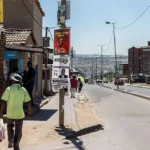
The main driver is service delivery. The BBC found rubbish, potholes and sewage in the Alexandra township, and residents in Soweto described weekly water cuts. The Auditor-General gave only 39 clean audits across the country between 2024 and 2025, and none went to Johannesburg, Tshwane or Ekurhuleni. Johannesburg has been described as “effectively bankrupt.” Analyst Melanie Verwoerd expects the ANC to do the worst it has ever done, though she says the most stable coalitions would copy the national ANC-DA arrangement.
The parties dispute the picture. President Cyril Ramaphosa told supporters the ANC is “going higher and higher” and will prove the “naysayers” wrong, and ANC secretary-general Fikile Mbalula says it will win Durban outright, which the MK party calls “delusional.” DA leader Helen Zille, running for Johannesburg mayor, argues cities work best under DA governance, and her campaign stunts, including swimming in potholes, have drawn attention. Zuma vowed to win a number of municipalities. MK, which has challenged the 2024 results, says it will watch the electoral commission “with hawk eyes,” while the Electoral Court has dismissed its bid to overturn the 2024 results.
There were also last-minute problems. A Constitutional Court ruling reinstated 181 ANC candidates, and the commission had to print 6.6 million extra ballot papers with 16 days to go, according to EWN. I haven’t seen reports of the effect on voting day.
What is known and what is not: the polls, the number of parties and the timetable are documented. The results, turnout and which coalitions form in Johannesburg, Tshwane, Durban and the other metros are not known. Polls can miss, particularly in local elections.
Sources: BBC News, Daily Maverick, TimesLIVE (Johannesburg poll), TimesLIVE (turnout assumption), Business Day, Rio Times, EWN, The Citizen (MK, ANC), The Citizen (IEC audit), Sunday World, Business Report and Friedrich Naumann Foundation.
