












Trump’s intervention in Nvidia’s leadership gamble, political risks
Jensen Huang’s return as Nvidia chief executive has dramatically boosted investor confidence, but the unresolved China investigation, congressional scrutiny, and growing public concerns over artificial intelligence leave Donald Trump facing a potentially costly political gamble.
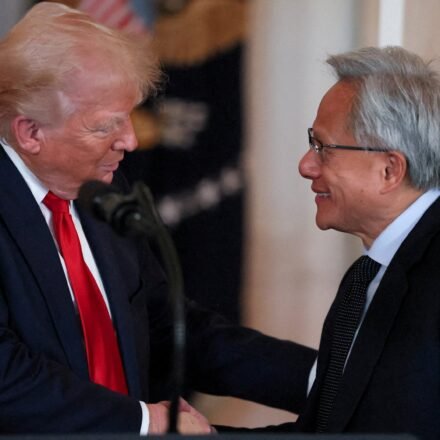
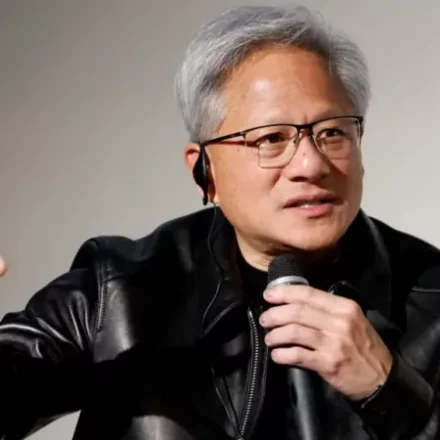
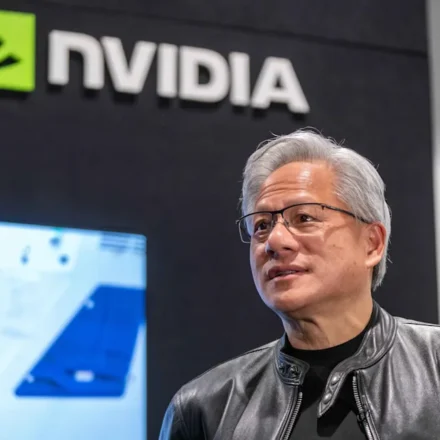
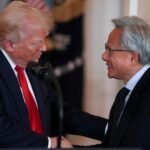
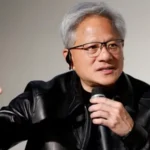
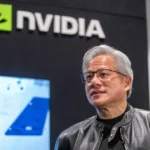
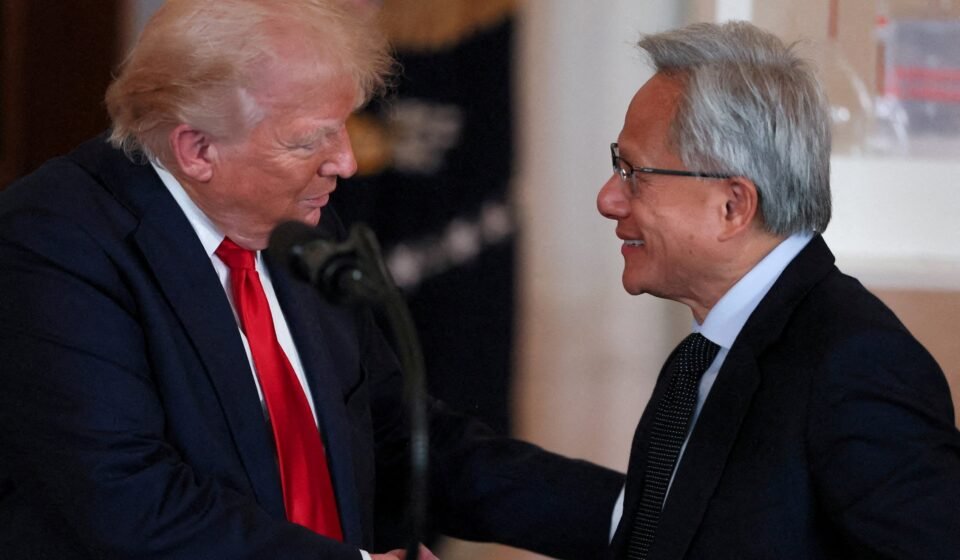
Donald Trump’s support proved decisive in Nvidia’s abrupt leadership reversal. On 23 November, the company announced that its board had unanimously reinstated co-founder Jensen Huang as president and chief executive, less than two weeks after his resignation. The decision followed mounting pressure from Trump, who publicly backed Huang’s return and subsequently claimed credit for helping secure the deal. investor.nvidia.com +2
The reversal was striking not simply because of its speed, but because the controversy surrounding Huang had not been resolved. Nvidia’s board said it had received input from senior US government officials and was confident that his reinstatement posed no national security risk. However, it also confirmed that its independent investigation into reports that Huang had been targeted by a foreign intelligence operation would continue. investor.nvidia.com +1
The allegations involve Huang’s reported relationship with Alice Huang, a Chinese businesswoman suspected by US intelligence of gathering information for Beijing. The allegations have not established that Jensen Huang knowingly assisted Chinese intelligence or committed an offence. His resignation followed reports of extramarital relationships, while questions about possible national security implications prompted investigations involving US authorities and Nvidia’s board. Treating the allegations as established criminal wrongdoing would therefore be premature. The Washington Post +2
For Washington, however, the issue extends beyond Huang’s private life. Nvidia sits at the centre of the global artificial intelligence industry, supplying advanced processors used to train and operate AI systems. Its commercial relationship with China has become particularly sensitive as the US attempts to prevent sophisticated semiconductor technology from strengthening a strategic competitor.
Concerns have also focused on Singapore-based Megaspeed, a cloud-computing company linked in reporting to the controversy. Investigators and lawmakers are examining whether restricted Nvidia chips could have reached Chinese customers through indirect arrangements or remote access. These questions have intensified scrutiny of US export controls and the administration’s oversight of advanced semiconductor sales. investing.com +2
The political consequences of the reinstatement could prove more difficult for Trump to manage than the immediate corporate fallout.
Lawmakers from both parties have demanded explanations for the administration’s involvement in Nvidia’s leadership decision. Senate Banking Committee chairman Tim Scott has scheduled Huang to appear at a public hearing on 3 December, while House committees are preparing to question him about the company’s China-related business and national security safeguards. Congressional scrutiny is also expected to examine what government officials told Nvidia’s board before it approved the reinstatement. apnews.com +1
The controversy has exposed a broader question about the relationship between political power and corporate independence. Nvidia’s board had previously indicated that it would seek a permanent successor rather than reinstate Huang. Its subsequent reversal, following presidential intervention and discussions with senior government officials, has prompted corporate governance experts to question whether directors exercised independent judgement.
The timing is particularly significant because the board’s investigation remains unfinished. Reinstating Huang before its conclusion could weaken confidence in the investigation and expose the company to further scrutiny from investors. Reuters has also reported that Nvidia faces regulatory investigations and a proposed shareholder class action, although the existence of an investigation does not establish wrongdoing. reuters.com +2
The market reaction illustrates both Huang’s importance to Nvidia and the uncertainty surrounding the company. Its shares surged 31.5 per cent on Monday following the reinstatement announcement, adding more than $950 billion to its market value. The rally was short-lived, however. On Tuesday, investors reassessed the legal, political and governance risks, and the shares retreated. The reversal suggests that restoring a familiar leader can ease immediate uncertainty without resolving the underlying problems. investing.com +1
Nvidia’s financial position helps explain why the decision attracted such extraordinary attention. In its third-quarter results for fiscal 2027, released on 17 November, the company reported revenue of $115.8 billion, a 103 per cent increase from a year earlier. Its data centre business generated $107.6 billion, accounting for the overwhelming majority of revenue. These figures demonstrate the company’s central role in the AI infrastructure boom, while also highlighting the economic stakes attached to its continued growth. investor.nvidia.com
Trump’s support for Huang also reflects his wider economic strategy. The president has repeatedly presented American leadership in AI as essential to the country’s technological and geopolitical position. Nvidia, as a leading supplier of AI processors, has become central to that ambition. Any prolonged disruption to its operations could affect investor confidence, technology investment and the administration’s efforts to maintain an advantage over China.
Yet the political environment surrounding AI is becoming increasingly complicated. Public enthusiasm for technological innovation has not translated into unconditional support for the infrastructure required to sustain it. A USC Annenberg survey published in November found that 76 per cent of respondents believed the government was doing too little to regulate AI, while 77 per cent said the same about data centres. The survey also found that 71 per cent did not trust major technology companies to act in society’s best interests when developing data centre infrastructure. USC Annenberg +1
Opposition is not confined to Democratic voters. CBS News exit polling from the November midterm elections found majority opposition to building new data centres in local communities, including among self-identified Republicans. Concerns over electricity consumption, water resources, environmental effects and pressure on local infrastructure have made AI development an increasingly contentious political issue. For Trump, whose administration has strongly supported rapid expansion, this creates a difficult balance between promoting technological investment and responding to voters’ concerns. CBS News +1
The controversy has also highlighted disagreements within the administration over semiconductor exports to China. Treasury Secretary Scott Bessent has argued that existing restrictions are sufficient, while Commerce Secretary Howard Lutnick has been associated with a more permissive approach to supporting the AI industry. The dispute reflects a fundamental policy tension: Washington wants American companies to remain commercially competitive, but it also wants to prevent sensitive technology from strengthening China’s military and technological capabilities. apnews.com +1
Trump’s intervention may therefore have secured a short-term corporate victory while creating longer-term political liabilities. By publicly associating himself with Huang’s return, the president has made Nvidia’s leadership controversy part of his own economic and political record. If subsequent investigations uncover weaknesses in export-control enforcement, governance failures or national security risks, the administration could face questions about why it supported the reinstatement before those concerns were fully resolved.
For Nvidia, Huang’s return restores an experienced leader at a critical moment in the AI race. But it does not automatically restore confidence in the company’s governance or remove the regulatory uncertainty surrounding its China business. For Trump, the stakes are even broader: his strategy increasingly depends on the continued expansion of an industry that faces financial, political and public scrutiny. The immediate market rally may have rewarded his intervention, but whether that decision ultimately strengthens or undermines his economic legacy remains uncertain.
Sources:
- Nvidia – Official announcement of Jensen Huang’s reinstatement (23 November 2026).
- Reuters – Huang returns as Nvidia CEO after Trump intervention.
- Reuters – Nvidia board’s reversal raises questions about corporate independence.
- Associated Press – Congressional reaction to Huang’s reinstatement.
- Reuters – Legal risks facing Nvidia and its board after Huang’s return.
- Nvidia – Third-quarter fiscal 2027 financial results.
- USC Annenberg – National survey on AI and data centre regulation.
- CBS News – 2026 midterm exit polling on data centres.