











US, Iran sign interim deal to end war, ease sanctions and reopen Hormuz Strait
TLE DESK: The United States and Iran have signed an initial agreement aimed at ending hostilities, easing sanctions on Tehran and reopening the strategically vital Strait of Hormuz, while launching a 60-day negotiation process on Iran’s nuclear programme.
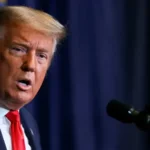
US President Donald Trump and Iranian President Masoud Pezeshkian signed the accord on Wednesday, marking the first formal agreement between the two countries since the outbreak of war earlier this year.
“The Deal with the Islamic Republic of Iran is now complete,” Trump said after signing the agreement, describing it as a “very strong” accord.
According to details released by both governments, the agreement takes immediate effect and establishes a permanent ceasefire framework while opening negotiations on a final settlement of Iran’s nuclear activities.
Pakistani Prime Minister Shehbaz Sharif, who played a key mediating role, confirmed that the deal would immediately halt military operations and begin a 60-day diplomatic process aimed at securing a comprehensive agreement.
Under the arrangement, Iran will dilute part of its stockpile of highly enriched uranium under monitoring by the International Atomic Energy Agency (IAEA). However, key issues surrounding uranium enrichment, sanctions relief and Iran’s broader nuclear programme will be addressed during the upcoming negotiations.
The agreement also provides significant economic relief for Tehran. The United States will issue sanctions waivers allowing Iran to freely export oil during the negotiation period, a move widely seen as one of Washington’s largest concessions.
The deal also paves the way for reopening the Strait of Hormuz, a critical global energy corridor through which a substantial share of the world’s oil and natural gas supplies pass. Shipping traffic through the waterway is expected to gradually return to normal levels within 30 days.
In addition, the United States has agreed to lift its blockade of Iranian ports, while discussions will continue regarding the eventual release of frozen Iranian assets and broader sanctions relief.
The agreement includes provisions affirming Lebanon’s territorial integrity and seeks to halt hostilities linked to the broader regional conflict, although questions remain over Israel’s military presence in parts of southern Lebanon.
Despite the breakthrough, Trump indicated that the deal remains conditional on progress in future negotiations.
“It’s a memorandum of understanding, and if I don’t like it, we’ll go back to shooting at them, dropping bombs,” he said.
The accord has generated mixed reactions internationally. Supporters view it as a major step toward regional stability and relief for global energy markets, while critics argue it grants Tehran substantial concessions before a final nuclear agreement is secured.
The reopening of the Strait of Hormuz is expected to ease pressure on global oil prices and international supply chains, which have faced significant disruption since the conflict escalated earlier this year.
Formal negotiations on a permanent agreement are expected to begin immediately following the signing and continue over the next two months.