















Xi’s anti-corruption purges complicate China’s search for next-gen of leaders
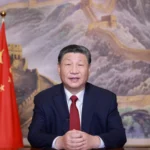
Chinese President Xi Jinping’s sweeping anti-corruption campaign is creating challenges for the country’s leadership succession, with a growing number of vacancies among senior officials narrowing the pool of candidates available for key positions next year.
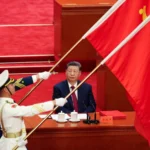
According to a report by Bloomberg News published on Wednesday, members of China’s powerful Central Committee are gathering in Beijing for meetings scheduled to continue through Thursday. An estimated 23 per cent of the committee’s members are absent, marking a record level of non-attendance, the report said.
The absences highlight the scale of disruption within China’s political establishment as Xi prepares for next year’s leadership congress, when senior appointments are expected to shape the country’s political direction for the following term.
Leadership pipeline under pressure
Xi’s anti-corruption drive has led to extensive investigations and purges across China’s political and military establishments. While the campaign is officially presented as an effort to tackle corruption and enforce discipline, the removal or disappearance of senior officials from key positions has also created challenges for succession planning.
The Central Committee plays a significant role in China’s Communist Party leadership structure. Vacancies and reduced participation could complicate the process of identifying and promoting officials to senior posts, particularly as the leadership prepares for the next major political transition.
The challenge is not limited to filling individual positions. It also concerns the availability of experienced officials who can assume greater responsibilities across the party and state apparatus.
Implications for Xi’s next term
The leadership congress scheduled for next year is expected to be an important moment for determining China’s senior political appointments. The extent of personnel changes could offer insight into how Xi intends to manage the next phase of his leadership and maintain control over the party’s governing structure.
However, the reported absences alone do not establish the reasons for each official’s non-attendance or indicate the final outcome of the succession process. Further details about the vacancies and the selection of future leaders will be needed to assess their longer-term significance.
For China’s political system, the immediate question is how the leadership will replenish its senior ranks while maintaining the disciplinary campaign that has become a defining feature of Xi’s rule.
