


















China’s trade surplus tops $1tn as AI boom drives export growth
A record-breaking surplus in the first 10 months of 2026 highlights China’s growing dependence on overseas demand, even as weak domestic consumption and trade tensions pose risks to the economy.
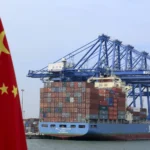
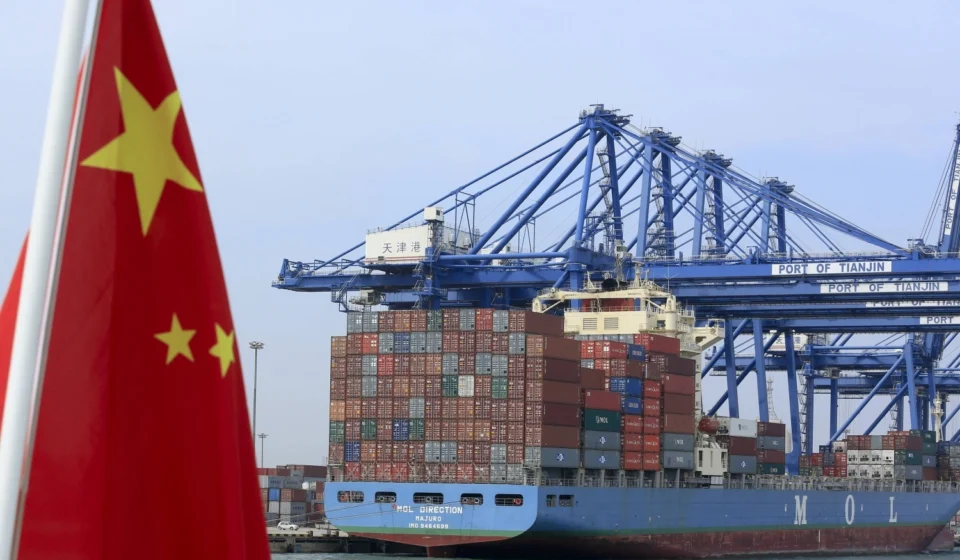
China’s trade surplus exceeded $1 trillion in the first 10 months of 2026, as strong global demand for technology products linked to artificial intelligence infrastructure helped sustain export growth despite persistent weakness in domestic consumption.
According to Reuters, citing Chinese customs data published on Tuesday, exports rose 35.2% year-on-year in October in US dollar terms. Although slightly below September’s 36.3% growth, the increase exceeded the 33.5% forecast in a Reuters poll of economists.
The resulting trade surplus reached $1.04 trillion between January and October. China crossed the $1 trillion threshold for the second consecutive year, reaching the milestone a month earlier than in 2025.
The global expansion of AI infrastructure has become a significant source of demand for Chinese exports. Investment in data centres, computing capacity and related technology products has supported overseas sales, helping manufacturers maintain strong export performance.
The trend reflects the wider influence of the AI investment cycle on international trade. Demand for technology-related goods has provided support to China’s export sector at a time when domestic economic conditions remain challenging.
Macquarie analysts, cited by Reuters, said the outlook for exports would depend on how long the AI boom continued. They expected exports to accelerate further in the fourth quarter before beginning to slow from the first quarter of 2027.
This dependence creates an exposure for Chinese manufacturers: a slowdown in global investment in AI infrastructure could weaken one of the major sources of export growth.
China’s imports grew 41.6% in October, substantially exceeding the median forecast of 32% in a Reuters poll and accelerating from September’s 31% growth.
The stronger import performance indicates that trade growth was not limited to outbound shipments. However, the available figures do not establish how much of the increase came from AI-related investment, industrial inputs or other categories of goods.
The widening trade surplus nevertheless reflects the scale of China’s export performance relative to its imports over the first 10 months.
Despite strong external trade, China continues to face subdued household consumption and a prolonged property market downturn. The decline in property values has affected household wealth and confidence, limiting consumers’ willingness to spend.
The weakness is also visible in the automotive sector. Chinese car exports maintained solid growth in October, while domestic vehicle sales recorded their 12th consecutive monthly decline, according to separate figures from an industry association.
The divergence illustrates the growing importance of overseas markets for Chinese manufacturers. While exports provide an outlet for production, greater reliance on external demand leaves businesses more exposed to changes in global economic conditions and trade policy.
China’s expanding surplus is likely to add pressure to its trade relationships, particularly with the European Union. European leaders have called for additional restrictions on Chinese imports following an agreement with Beijing to limit Chinese hybrid vehicle exports to the bloc over the coming years.
The measures have yet to take effect. Manufacturers are therefore expected to bring forward shipments, potentially supporting exports in the near term.
Joe Peissel, lead macroeconomist at Trivium China, told Reuters that the risk of additional tariffs and other trade barriers would remain elevated in 2027 as Chinese manufacturers continued expanding their presence in overseas markets.
The United States also remains an important part of the trade equation. Beijing announced an extension of its trade truce with Washington by two months, beyond its scheduled expiry on 10 November. However, China said that expanding purchases of US agricultural products would depend on the implementation of the agreed reciprocal tariff-reduction arrangement.
The trade figures emerge ahead of the Asia-Pacific Economic Cooperation summit in Shenzhen, where Chinese President Xi Jinping and US President Donald Trump are expected to meet next week. It would be their third meeting so far this year, according to the Reuters report.
The discussions will take place against a backdrop of trade negotiations, tariff uncertainty and competition over advanced technology. The extent to which the two governments can maintain their trade truce may influence the outlook for exporters and importers in both economies.
For China, the record surplus demonstrates the strength of its manufacturing and export capacity, particularly amid the global AI investment boom. But it also exposes an economic imbalance: external demand is supporting growth while household consumption and the property sector remain under pressure.
The sustainability of this export-led momentum will depend not only on continued global demand for technology products but also on China’s ability to strengthen domestic consumption and manage increasingly difficult trade relationships.
Sources
- Reuters, China set for record trade surplus as AI boom pushes it past $1 trillion in just 10 months, 10 November 2026, republished by CNN.
- Reuters, reporting on China’s October 2026 trade data and the outlook for exports, as reproduced in the supplied CNN article.
