











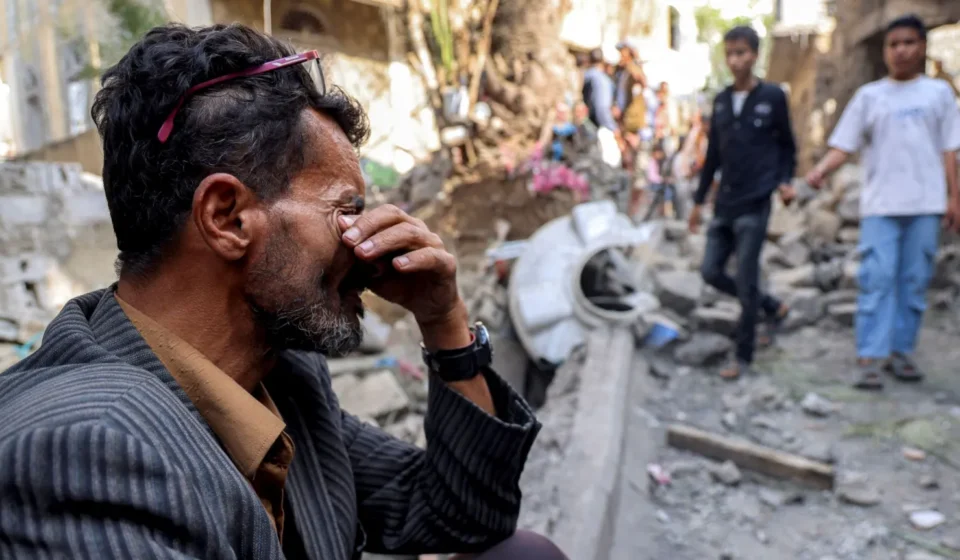
Besieged Yemeni city of Taiz faces deepening humanitarian crisis
Residents of the Yemeni city of Taiz are facing worsening shortages of food, medicine, water and fuel after Houthi forces tightened their control around the government-held city, leaving hundreds of thousands of people increasingly isolated amid renewed fighting.
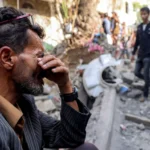
In interviews with the BBC, seven people inside Taiz described deteriorating living conditions, rising prices, disrupted healthcare and the constant threat of shelling and sniper fire. The city, Yemen’s third-largest, has an estimated population of between 600,000 and one million.
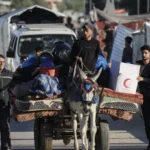
Houthi forces fully encircled the government-controlled city last month, according to the report, sharply restricting the movement of people and supplies. Residents said only limited quantities of food could enter, while prices of basic commodities such as rice, sugar and cooking oil had doubled or trebled.
Essential supplies, including medicines, drinking water and fuel, were also running low. Schools have closed, restaurants have shut and rubbish has accumulated across neighbourhoods. Residents burning waste to clear the streets have created thick, toxic smoke, adding to the public health risks.
Civilians trapped between shelling and shortages
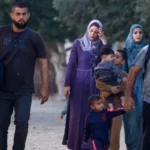
For families in Taiz, the conflict has become part of everyday life. Ashwaq, a teacher and mother of three who asked to be identified only by her first name, told the BBC that she reassures her 11-year-old son by describing the sounds of explosions as fireworks.
She said her children rarely leave the house because shelling can occur at any time and sniper fire makes even short journeys dangerous.
The threat is particularly severe for children. An emergency-room doctor, identified by the BBC under the name Yaser, said four children recently brought to his hospital had been shot by Houthi snipers. Two died from their injuries.
Most of the wounded arriving at the hospital are victims of shelling. Some families have to walk for hours to reach medical facilities, while healthcare workers face shortages of basic supplies, including sterilising fluid for surgical instruments.
Yaser warned that the hospital might only be able to continue operating for another two weeks.
Healthcare system under severe pressure
Taiz Governor Nabil Shamsan told the BBC that hospitals in the city had lost 70 per cent of their capacity and 120 health centres had closed.
He said diseases were spreading, neonatal deaths had increased and malnutrition was worsening. Hundreds of kidney patients were reportedly unable to receive dialysis because they could not reach hospitals or because medical facilities lacked sufficient fuel.
The governor also said civilians were dying not only from direct attacks but from shortages of food, supplies and income.
According to the local government’s Office for Siege Affairs, 148 civilians have been killed in Houthi attacks since August. The BBC noted that estimates of the death toll vary considerably.
The governor described funerals as a constant feature of life in the city, saying residents were losing their lives because of both violence and deteriorating living conditions.
Houthis deny the city is under siege
Houthi leader Abdul Malik al-Houthi has denied that Taiz is besieged. Late last month, he claimed that routes remained open for the delivery of food, medicine and humanitarian assistance.
However, the claim is disputed by Yemen’s internationally recognised government, residents of Taiz, aid agencies and the United Nations, according to the BBC report.
The latest encirclement follows a prolonged history of fighting over the strategic city. Houthi forces reached Taiz’s outskirts in 2015, cutting roads and surrounding it from three sides. The group had seized the capital, Sanaa, a year earlier.
Taiz is strategically important because it connects routes towards Aden, the temporary seat of the internationally recognised government, and southern Yemen.
After a period of relative calm lasting around four years, the conflict has intensified again in recent months. Houthi forces have advanced into government-held territory and launched missile and drone attacks against Saudi Arabia, increasing concerns about the regional consequences of the renewed fighting.
The BBC’s accompanying maps, based on the Institute for the Study of War and the AEI Critical Threats Project, show changes in territorial control between August and November 2026, including the expansion of Houthi-held areas around Taiz.
Residents prepare to defend the city
Despite the deteriorating situation, residents and pro-government forces continue to resist the Houthi advance.
Five brigades of government-aligned troops are operating alongside local residents, but they reportedly lack sufficient personnel and heavy weapons to defend the expanding front line. Volunteer training camps have also emerged, with some recruits receiving only one or two days of instruction before being sent to the battlefield.
One resident, identified by the BBC as Akram, said he had bought a rifle for around $1,200 after the latest encirclement. He had previously taken up arms when Taiz was surrounded in 2015 and was forced to leave his home, which he has not seen since.
He said the Houthis now possess more advanced weapons, including drones and missiles, increasing the danger to civilians and fighters.
The BBC also reported that nearly 350,000 people have been displaced by fighting in recent months.
Fears of a prolonged humanitarian catastrophe
The residents interviewed by the BBC fear that the Houthis may continue to exert pressure on Taiz from surrounding positions without necessarily launching a full-scale assault on the city.
Photographer Ahmad Al-Basha said shelling and bombing continued at night, leaving families unable to sleep safely. He expressed frustration at what residents see as the failure of their government and the international community to provide meaningful assistance.
For many families, the greatest concern is the safety and future of their children. Ashwaq appealed to the international community not to forget the people of Taiz, saying ordinary families simply wanted their children to study, play and have opportunities for the future.
The crisis in Taiz illustrates the human cost of Yemen’s renewed conflict. With supply routes restricted, healthcare services deteriorating and civilians exposed to continuing attacks, the city faces an increasingly severe humanitarian emergency.
Sources: BBC News, ‘I tell my son it’s just fireworks’: People inside besieged Yemeni city speak to BBC; BBC News, Who are the Houthis and what do they want?; Institute for the Study of War and AEI Critical Threats Project, cited by the BBC as sources for its maps of territorial changes in Yemen.