
















Norse Atlantic suspends all flights as bankruptcy threat deepens
Emergency funding talks fail to reassure investors as soaring fuel costs, unpaid salaries and a collapse in market value push the Norwegian long-haul carrier towards insolvency
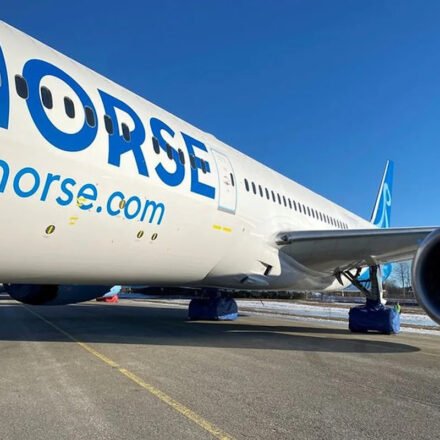
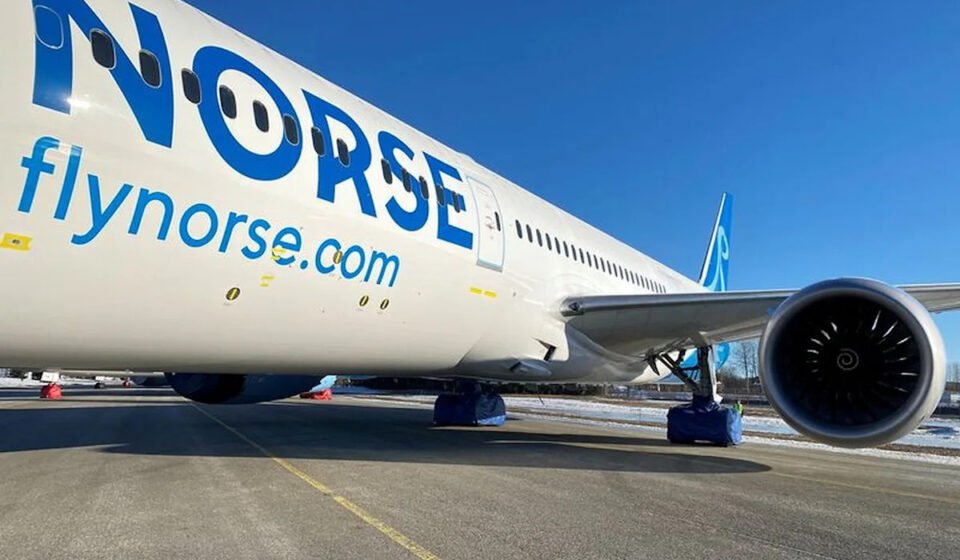
Norwegian low-cost airline Norse Atlantic Airways has suspended all flights and warned that it could file for bankruptcy unless it secures emergency financing, exposing the growing vulnerability of smaller airlines to rising fuel costs, weak liquidity and mounting operational pressures.
The airline announced the suspension on Thursday, 26 November, a day after describing its financial position as critical and acknowledging that it needed immediate funding to meet short-term liquidity requirements and continue operating. Its board said it intended to file for bankruptcy if a financing solution could not be secured urgently, adding that there was no guarantee that a viable agreement would emerge.
The company is negotiating with investors over a possible takeover that would include a financing arrangement. However, it has not disclosed the identities of the prospective investors or provided details of any proposed transaction. The board also held discussions with holders of its $52 million senior secured bonds on 25 November, underlining the urgency of its financial difficulties.
The crisis has rapidly undermined investor confidence. Norse shares plunged 85 per cent following Wednesday’s announcement of its critical financial position. By Thursday, the company’s market value had fallen to approximately $8.8 million, while its share price had lost more than 99 per cent of its value since the beginning of the year, according to reports.
The suspension also raises questions about the airline’s ability to maintain confidence among passengers, employees and commercial partners, even if a short-term funding agreement is reached.
The financial strain has also reached the airline’s workforce. The International Transport Workers’ Federation (ITF) said on Thursday that Norse had informed employees it could not secure the salary payments due to them. The Norse Atlantic Pilots Association separately confirmed that November salaries had not been paid, describing the situation as particularly difficult for pilots and their families. The reports indicate that the liquidity crisis is affecting the company’s ability to meet basic operational and employment obligations, not simply its longer-term investment plans.
Rising aviation fuel costs have intensified these difficulties. The conflict involving Iran and the disruption to shipping through the Strait of Hormuz have placed significant pressure on global energy supplies. The International Air Transport Association (IATA), in its June 2026 industry outlook, reported that jet fuel prices had roughly doubled since late February, with the disruption creating particularly severe supply pressures in Europe and Asia.
Norse has been particularly exposed because it does not hedge its jet fuel requirements, leaving it vulnerable to sudden price increases. Reuters reported that the airline had already reduced capacity as fuel costs climbed. For a carrier operating long-haul routes, higher fuel expenditure can quickly erode margins because each flight requires substantial fuel while airlines have limited flexibility to reduce other operating costs in the short term.
Founded in 2021, Norse sought to establish a low-cost alternative in the long-haul market, operating a fleet of 12 Boeing 787 Dreamliners. However, its business model has faced persistent challenges, including the high costs of long-distance operations, seasonal fluctuations in travel demand and competition from established airlines. The company had already begun exploring a potential sale or merger in July and considered leasing aircraft to other carriers through aircraft, crew, maintenance and insurance (ACMI) agreements as an alternative source of revenue.
Its difficulties have also affected commercial relationships. Norse had agreed in October to lease two Boeing 787-9 aircraft to Pakistan International Airlines under an ACMI arrangement. Reuters reported that PIA said Norse had abruptly suspended the arrangement, forcing the Pakistani airline to cancel two flights before it planned to use its own aircraft for the affected services. This illustrates how financial instability at one carrier can disrupt operations across the wider aviation network.
Norse is not the only European airline facing financial pressure, although the circumstances of other carriers differ. Latvian airline airBaltic entered Chapter 11 restructuring proceedings in the United States in September, securing a €350 million financing commitment to support its reorganisation while continuing normal flight operations. Spanish carrier Plus Ultra, meanwhile, suspended its Madrid–Caracas scheduled service on 23 November as part of a wider restructuring process. These cases demonstrate the range of responses airlines are pursuing to manage financial pressure, from court-supervised restructuring to route reductions and emergency funding negotiations.
The distinction is important: Chapter 11 does not automatically mean an airline has ceased trading. It allows eligible businesses to restructure their debts under court supervision while continuing operations. Norse, by contrast, has suspended all flights while seeking financing, leaving its immediate future uncertain.
For Norse, the coming days could determine whether emergency investment, a takeover or another financing arrangement can prevent insolvency. Even if a deal emerges, restoring employee confidence, rebuilding passenger trust and stabilising its commercial partnerships will be difficult. The crisis also highlights a wider weakness in the low-cost long-haul model: affordable fares and ambitious route networks offer limited protection when fuel prices rise sharply and a carrier lacks sufficient financial reserves to absorb the shock.
Sources: Norse Atlantic – 26 November stock exchange announcement; Norse Atlantic – 25 November financial update; Reuters – Norse Atlantic suspends flights and warns of possible bankruptcy; Reuters – Norse Atlantic’s critical financial position; International Air Transport Association – Global Outlook for Air Transport, June 2026; International Transport Workers’ Federation – Norse Atlantic workers and fuel pressures; Dagsavisen – Norse pilots confirm unpaid salaries; airBaltic – Chapter 11 restructuring announcement; Reuters – Airlines strained by Iran-war fuel price shock.