


















US flights resume after nationwide FAA ground stop
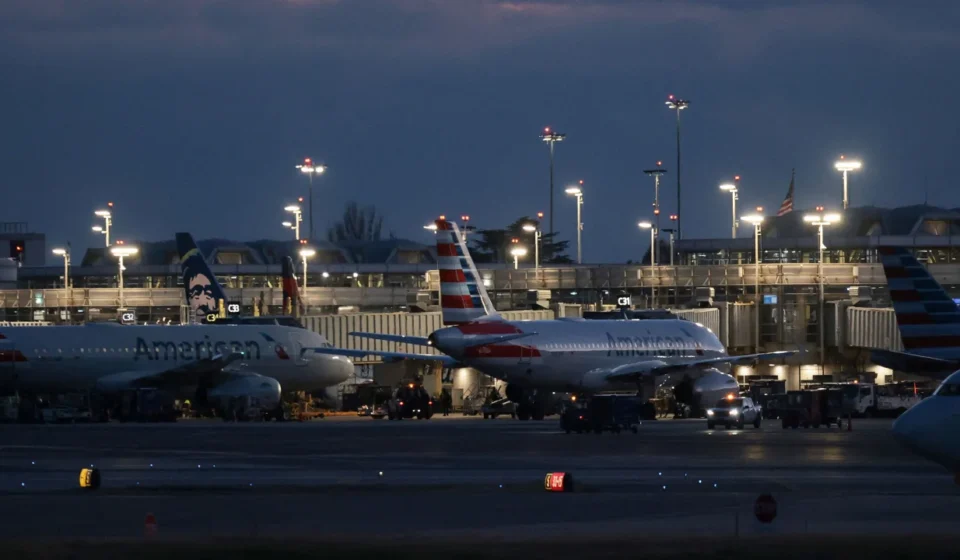
Flights across the United States are beginning to resume after a nationwide ground stop lasting about five hours, but passengers face further delays and cancellations as airlines attempt to restore normal operations following a major air traffic control communications failure.
The Federal Aviation Administration (FAA) lifted the restriction late on Friday, 13 November, after testing its systems and confirming that operations were stable enough for departures to restart. The agency urged passengers to contact their airlines for the latest information, warning that the return to normal schedules would not be immediate.
The disruption affected airports across the country, leaving passengers stranded, aircraft out of position and airline operations under pressure. Data from aviation analytics firm Cirium indicated that around 1.5 million passengers were affected. The scale of the disruption extended beyond cancelled departures: aircraft already in the air had to be managed through the system while ground operations were restricted.
An ageing system under pressure
Transportation Secretary Sean Duffy attributed the failure to problems involving overloaded air traffic control routers and inconsistencies in the data being transmitted through the system. Homeland Security Secretary Markwayne Mullin offered a related explanation, saying that new equipment and technological updates had been introduced into an older infrastructure, overwhelming parts of the existing system.
The precise technical cause, however, remains under investigation. Officials have not presented a completed independent assessment establishing exactly how the failure occurred or whether a single component was responsible.
The FAA initially imposed the nationwide restriction because of a telecommunications outage affecting air traffic control communications. The agency described the decision as a precaution taken for safety reasons. Although the ground stop was lifted after systems were tested, the incident exposed the vulnerability of infrastructure responsible for coordinating thousands of flights across one of the world’s busiest aviation networks.
More than 3,000 flights were reported to have landed safely during the disruption. The Associated Press reported that at least 827 flights had been diverted, including aircraft sent back to their departure airports or redirected elsewhere. The figures underline the scale of the operational challenge even though officials said there had been no loss of life or immediate danger to passengers.
Airlines face a difficult recovery
The lifting of the ground stop has allowed departures to restart, but airlines cannot simply return to their original timetables. Aircraft and crews are now in different locations from where they were scheduled to operate. Some passengers have missed connecting flights, while airport congestion and limited gate availability have complicated the process of moving people and aircraft.
Delta Air Lines and United Airlines said they were resuming operations, although both warned that disruption could continue into the weekend. JetBlue cancelled its remaining Friday flights and expected further disruption on Saturday. Frontier Airlines said it was working to restore its operations.
Flight-tracking data indicated that more than 1,600 flights within, into or out of the United States had already been cancelled for Saturday. That figure may change as airlines revise their schedules. Passengers have been advised to check directly with their carriers rather than assume that a flight will operate because the national restriction has ended.
The consequences are also being felt beyond passenger travel. Delayed cargo flights, disrupted business journeys and the movement of sports teams have added to the wider economic and logistical impact. The aviation network depends on tightly coordinated schedules, leaving little room for a prolonged interruption at multiple airports.
No evidence of an attack, but questions remain
Mullin said officials had found no indication that the outage resulted from a cyberattack or a threat to national security. He also said it was not connected to the Microsoft outage reported earlier in the week. These statements describe the administration’s assessment at the time; they do not amount to a final technical explanation of the incident.
The distinction is important. A lack of evidence of malicious activity does not, by itself, establish the precise cause of a system failure. Investigators still need to determine how the telecommunications disruption developed, why the network became overloaded and whether safeguards worked as intended.
The incident has renewed scrutiny of the age and resilience of the US air traffic control system. Duffy said the infrastructure relies on outdated technology and warned that similar disruptions could happen again without substantial modernisation. He urged Congress to provide additional funding, while Mullin said a comprehensive overhaul could cost about $50 billion.
The debate is not simply about replacing old equipment. Modernising a national air traffic control network requires new hardware, software, communications infrastructure, staff training and careful coordination between systems that must remain operational throughout the transition. Introducing new technology into an older network can itself create risks if compatibility and capacity are not adequately tested.
A wider test of aviation resilience
The United States has experienced serious air traffic control disruptions before, including a nationwide pause in January 2023 after a failure involving the FAA’s pilot-notification system. Friday’s incident was more extensive in its impact, with communications problems affecting operations across the country.
The episode also raises questions about how the world’s largest aviation market manages the relationship between technological modernisation and operational reliability. Air traffic control is critical national infrastructure: its performance affects not only airlines and airports but also trade, tourism, emergency travel and the movement of goods.
Officials have expressed confidence that the system can recover ahead of the Thanksgiving travel period later this month. That remains a target rather than a guarantee. The immediate priority is to reposition aircraft and crews, clear passenger backlogs and restore dependable schedules. The longer-term challenge is to ensure that the infrastructure supporting the aviation network can withstand technical failures without triggering disruption on a national scale.
The ground stop may be over, but its consequences will continue to test airlines, regulators and the government’s ability to modernise essential public infrastructure while keeping it operational.
Sources: This report draws on the Federal Aviation Administration’s operational updates and cross-checked reporting by The Associated Press – Trump administration blames overloaded systems for ground stop after FAA lets flights resume; NPR – Old tech blamed for the ground stop that caused flight chaos; ABC News – FAA ground stop lifted as officials investigate overloaded routers; The Guardian – US flight outage and nationwide ground stop updates; and CNN – Live coverage of the FAA ground stop and its impact on US air travel. T
