











EU questions Russia’s pledge to Ukraine energy truce announced by Trump
Kaja Kallas says Brussels will welcome a halt to attacks only when it is implemented, as continued strikes raise doubts over the proposed arrangement and Europe presses for tougher sanctions on Moscow.
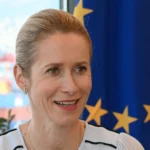
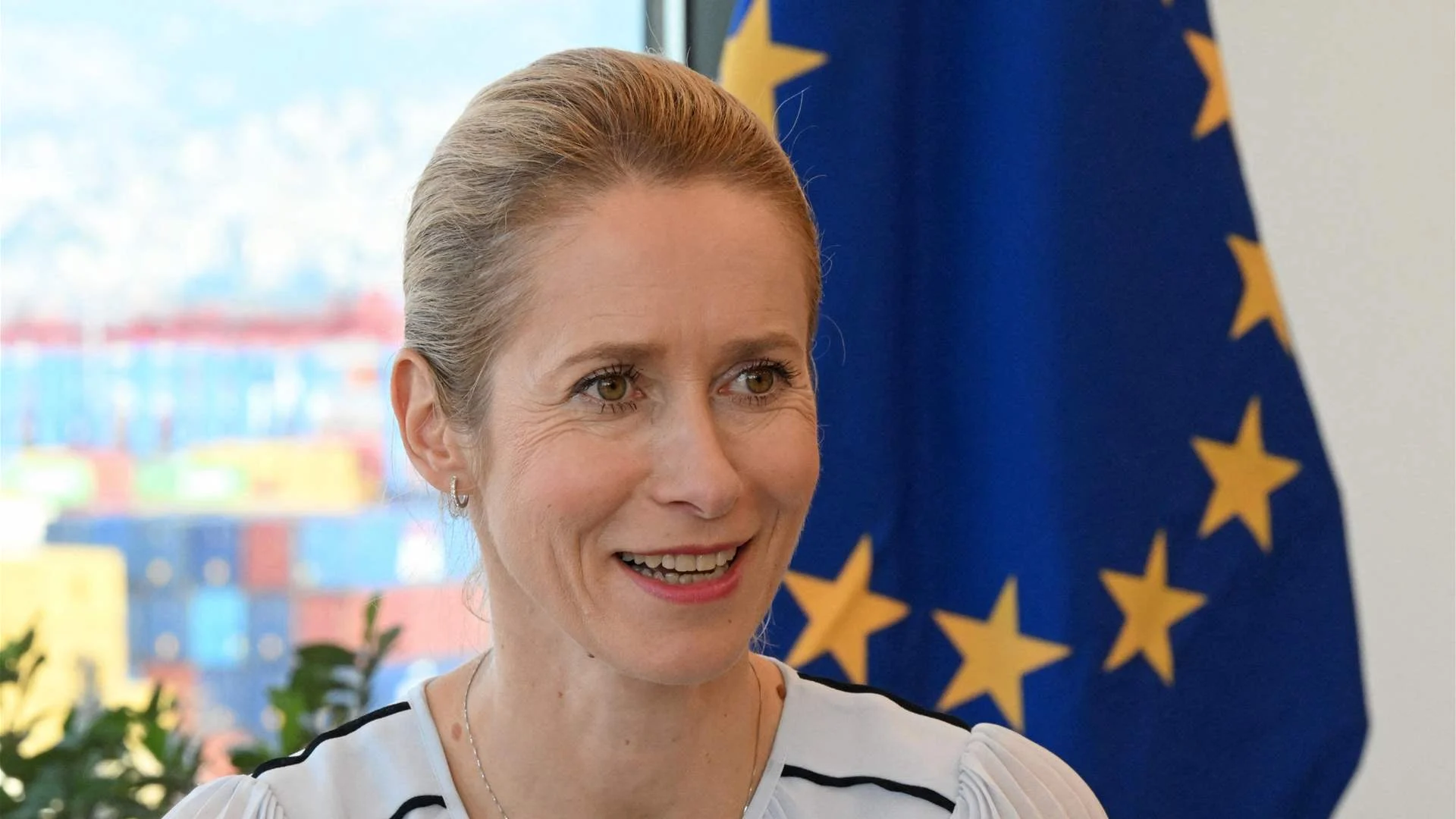
The European Union has withheld full endorsement of a proposed halt to Russian and Ukrainian attacks on energy infrastructure, with the bloc’s foreign policy chief Kaja Kallas warning that Moscow has yet to demonstrate its commitment to the arrangement announced by US President Donald Trump.
“We welcome the energy ceasefire when it holds. We haven’t yet seen that Russia will also stick to it,” Kallas said on Monday as EU foreign ministers met to discuss the war and Europe’s response. Her remarks reflected continuing uncertainty over whether Trump’s announcement had secured agreement from both sides or established an operational ceasefire.
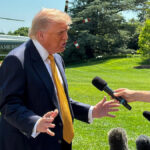
Trump announced on Sunday that an energy ceasefire between Russia and Ukraine would take effect immediately, claiming that both parties had agreed to stop attacks on energy infrastructure. However, Ukrainian President Volodymyr Zelenskyy said the announcement had come as a surprise to Kyiv, while Moscow had not publicly confirmed its acceptance. Ukrainian officials subsequently reported further Russian strikes on energy facilities, including in Kyiv and Kharkiv. <Cite refs={[“turn188309news2″,”turn188309search7”]} />
The lack of confirmation and reports of continued attacks have raised questions about the scope and enforceability of the proposed truce. No detailed monitoring mechanism or agreed implementation framework was established in the public announcement.
Attacks on energy facilities have become a significant feature of the conflict, with both countries targeting infrastructure linked to fuel production, electricity and the wider economy. Russia’s attacks have damaged Ukrainian energy facilities, while Ukrainian strikes on Russian oil refineries have sought to disrupt Moscow’s ability to generate revenue and sustain its war effort.
The proposed arrangement would address only a specific part of the conflict rather than bring about a comprehensive ceasefire. Kallas said a truce should protect people from being killed as well as safeguard energy infrastructure, particularly as Ukraine approaches winter and reliable electricity and heating become more critical.
She also questioned the scope of an arrangement focused on refineries, noting that Ukraine has fewer such facilities than Russia. Her remarks indicated concern that a narrowly defined agreement could leave the two countries with unequal exposure to restrictions on attacks.
Zelenskyy has previously said Ukraine was prepared to stop striking Russian energy infrastructure if Moscow halted its own attacks on Ukrainian facilities. The disagreement is therefore not simply about whether a truce is desirable, but whether both sides will accept reciprocal restrictions and comply with them.
Alongside the ceasefire uncertainty, Kallas said the EU was advancing a package involving 1,600 listings targeting Russia’s military-industrial complex and individuals and entities associated with what Brussels describes as sham elections in occupied Ukrainian territories.
She also called for closer alignment between the United States and Europe on sanctions against Russia. The EU’s position is that sustained economic pressure is necessary to constrain Moscow’s ability to finance its military campaign. Kallas argued that European measures would be more effective if Washington pursued a coordinated approach.
The call for stronger coordination comes amid controversy over Trump’s separate move to facilitate Russian diesel exports to the United States. The decision has drawn criticism from Ukraine and some Western lawmakers, who argue that purchases of Russian fuel could provide revenue to Moscow while the war continues. The US administration has presented the move as a way to increase supply and ease fuel-price pressure.
The two initiatives—an energy truce and the easing of restrictions on Russian diesel exports—have consequently become intertwined in the wider debate over how Washington should balance energy-market concerns with support for Ukraine and pressure on Russia.
Even if the two sides begin observing restrictions on attacks against energy infrastructure, such an arrangement would not resolve the wider war. Fighting, attacks on civilian areas and disagreements over territorial control remain central obstacles to a political settlement.
The immediate test will be whether Russia and Ukraine confirm clear terms, stop the relevant attacks and establish a way to verify compliance. Without those steps, the announcement risks remaining a political declaration rather than a functioning ceasefire.
For the EU, the challenge is to support any measure that reduces harm to civilians and protects essential infrastructure without allowing uncertainty over the truce to weaken its broader policy towards Russia. Kallas’s remarks leave the bloc’s position clear: Brussels is prepared to welcome a genuine halt to energy attacks, but will judge the arrangement by what happens on the ground.
As winter approaches, the stakes extend beyond military strategy. Damage to power stations, fuel facilities and electricity networks can disrupt heating, transport and industrial activity, making reliable infrastructure an urgent humanitarian and economic concern. Whether Trump’s initiative can produce a verifiable reduction in attacks remains unresolved.
