



















Rare brain-infecting fungus sees fourfold rise, US laboratory detects
The fungus has been associated with a 60–70% case-fatality rate, but scientists say the reasons for the recent increase remain unclear.
A rare fungus capable of causing severe brain infections has been detected increasingly often in the United States, prompting public-health researchers to call for better case reporting and further investigation into its epidemiology.
The US Centres for Disease Control and Prevention (CDC), in a report published in its Morbidity and Mortality Weekly Report on 15 October, documented an approximately fourfold increase in detections of Cladophialophora bantiana between 2023 and 2025 at a clinical reference laboratory operated by the University of Washington. Researchers recorded 14 detections in 2025, compared with three in 2023. The findings do not establish that infections have increased at the same rate nationwide.
The CDC report identified 48 confirmed cases and one probable case from January 2009 through 1 July 2026. The cases originated in 21 US states and the District of Columbia, with a median patient age of 68. Of the 49 cases, 43 were identified in intracranial central nervous system tissue samples and six in lung samples.
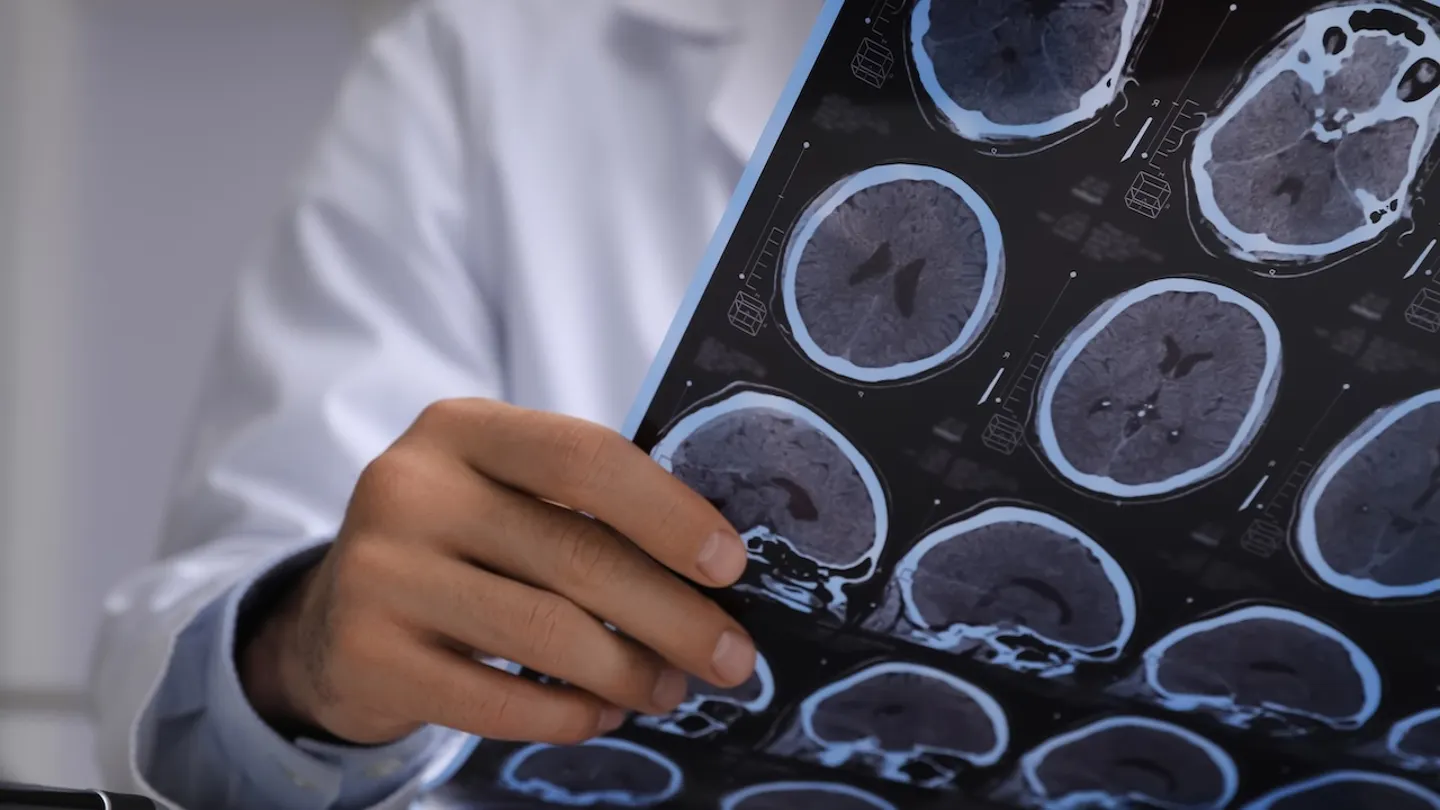
The fungus is a darkly pigmented mould with a particular affinity for the central nervous system. It most commonly causes brain abscesses, and infection can occur in people without recognised immune-system deficiencies. The CDC associates the infection with a case-fatality rate of 60–70%, even with aggressive treatment.
However, the recent findings should be interpreted carefully. The figures represent detections at one reference laboratory, rather than a comprehensive national surveillance system. Researchers adjusted for the volume of specimens tested and still found a substantial increase: detections rose from an average of 8.4 per 1,000 intracranial central nervous system specimens during 2017–2023 to 26 per 1,000 in 2025.
The reasons for the increase remain unknown. Researchers have also identified gaps in understanding the fungus’s environmental reservoir, exposure pathways and epidemiological risk factors. Inhalation or direct inoculation through a skin injury is considered a possible route of entry, but the precise mechanisms are not fully established.
Diagnosis presents another challenge. Infection can manifest as a brain abscess, and routine testing may not always identify the organism. The CDC documented a fatal case in which cerebrospinal-fluid polymerase chain reaction tests were negative before the diagnosis was established through a brain-tissue biopsy.
Earlier research reinforces the seriousness of the disease. A systematic review published in Medical Mycology in 2017 analysed 120 published cases and reported a 65% mortality rate. A separate review published in 2024 also found substantial mortality among reported cases, although outcomes varied across the cases examined.
The CDC recommends that clinicians consider C. bantiana when evaluating patients with brain abscesses. Prompt antifungal treatment and, where appropriate, surgical removal of infected tissue may improve outcomes. The agency is also seeking more systematic reporting to establish whether the recent increase reflects broader epidemiological changes and to identify possible risk factors.
For now, the evidence points to a serious but rare infection and a significant laboratory-detection signal—not proof of a nationwide outbreak or an established new cause of infection. Better surveillance and further research will be necessary to determine what is driving the increase.
Sources: US Centers for Disease Control and Prevention, Morbidity and Mortality Weekly Report, 15 October 2026; Kantarcioglu et al., Medical Mycology, 2017; relevant systematic review of cerebral phaeohyphomycosis, 2024.
