

















Sri Lanka blackout raises questions over grid readiness for solar expansion
Nationwide power failure triggers emergency restoration as authorities investigate system instability and ask rooftop solar users to disconnect
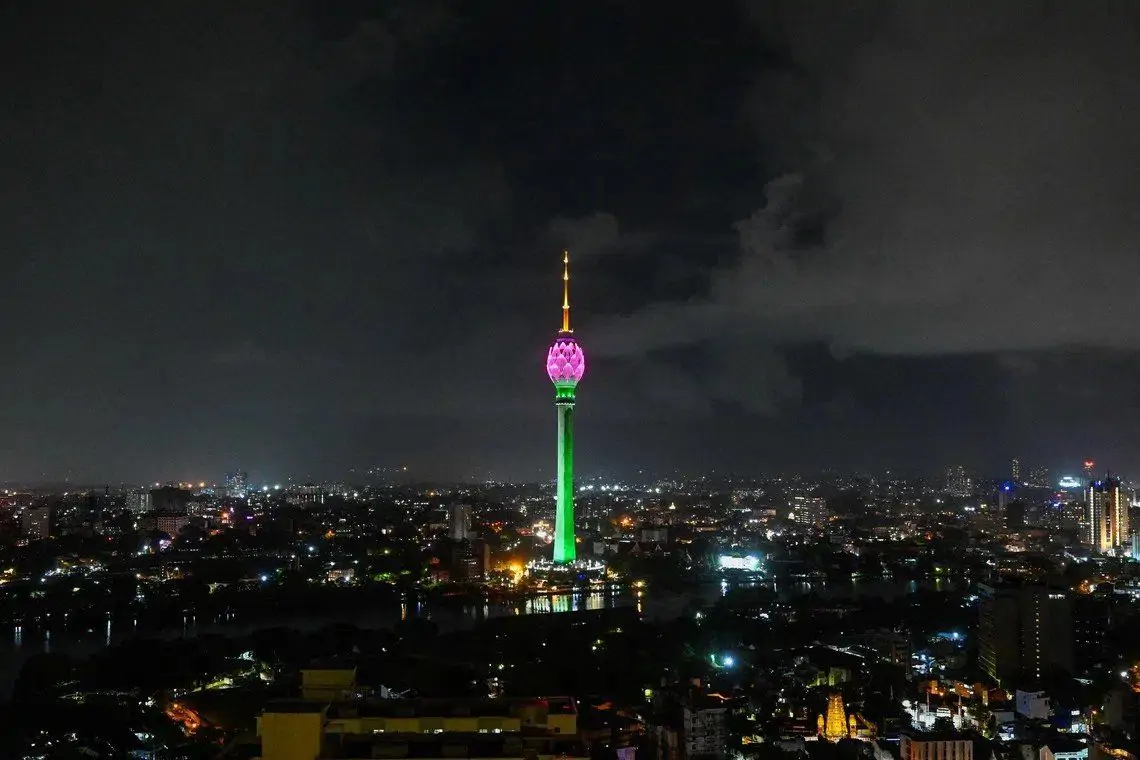
Sri Lanka’s national electricity grid suffered a nationwide failure on Saturday, disrupting power supplies and prompting authorities to temporarily suspend rooftop solar connections while engineers worked to restore the system.
The National System Operator (NSO) said the grid had experienced a total system failure following instability in the electricity network. Energy Minister Anura Karunathilaka said restoration would proceed in stages and urged rooftop solar users to disconnect their systems until further notice.
The precise cause of the blackout remained under investigation. Authorities were examining whether a technical problem at a unit of the Upper Kotmale Power Station on Friday had contributed to the disruption, rather than treating excess solar generation as an established cause.
By Saturday afternoon, electricity had been restored in some areas. The NSO said restoration was progressing district by district, with the utility working to bring the wider system back online. The outage also raised concerns about water supplies, as officials urged consumers to use water carefully while services recovered.
The incident brings back memories of a nationwide blackout in February 2025, when Sri Lanka’s grid also collapsed amid concerns about high solar generation. That disruption took more than six hours to resolve, according to reports at the time.
Sri Lanka has expanded rooftop solar through incentives that encourage households and businesses to generate electricity and sell surplus power to the grid. Installed solar capacity stands at just over 3,000 megawatts, while daytime electricity demand typically ranges from 2,000MW to 2,500MW, according to figures cited in an AFP report carried by BSS.
However, installed capacity and daytime demand alone do not establish why a grid fails. Electricity networks must continuously balance supply and demand, manage fluctuations in generation and maintain stability when a power plant or transmission component trips unexpectedly.
Sri Lanka plans to raise solar capacity to nearly 4,400MW within three years, according to the same report. Achieving that goal will require the grid to accommodate growing volumes of variable renewable electricity while maintaining reliable supply.
Saturday’s blackout therefore places renewed focus on the infrastructure and operating systems needed to support the country’s energy transition. The immediate priority is restoring electricity; determining the precise cause will be essential to preventing a recurrence.
Sources: National System Operator, as reported by Newswire and EconomyNext; Daily Mirror; AFP.
