




















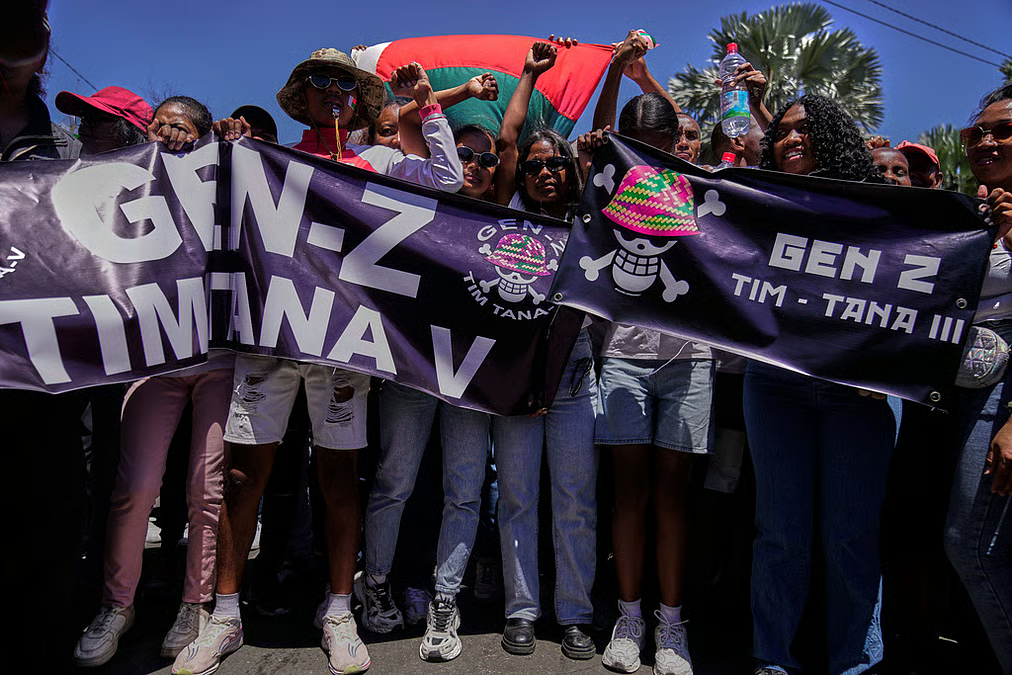
Gen Z protests spread, young people challenge political, economic systems
From Albania and India to Argentina, youth-led demonstrations reflect growing frustration over corruption, electoral transparency, education funding and the rising cost of living
A new wave of youth-led protests is putting governments under pressure across several continents, as students and younger citizens mobilise against corruption, economic hardship, political exclusion and declining public services.
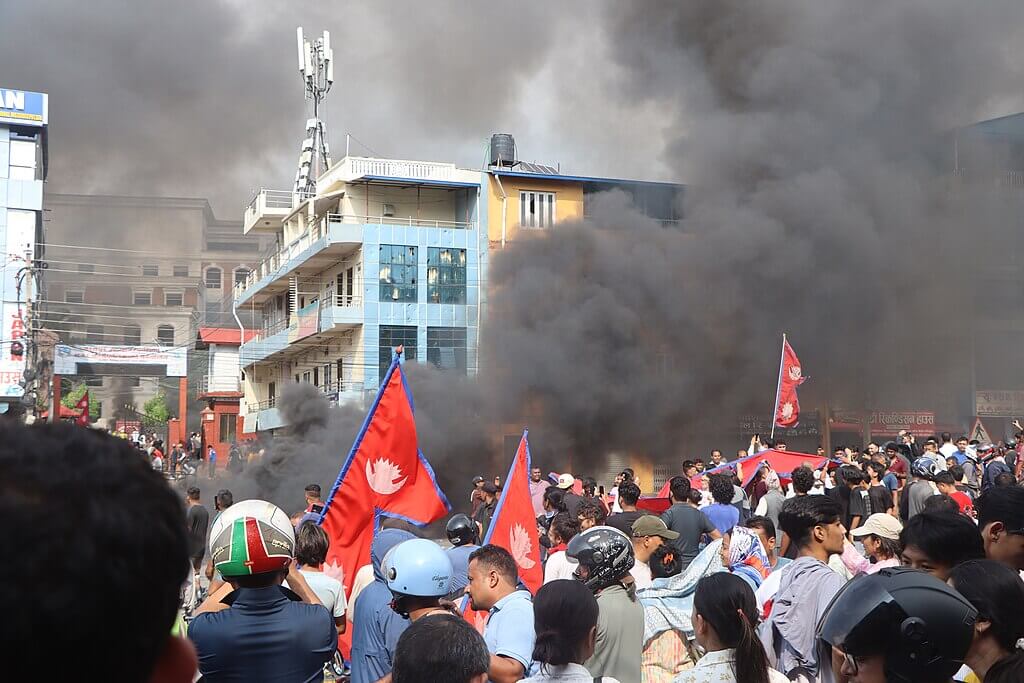
Recent demonstrations in Albania, Argentina, India and France illustrate how different grievances can bring young people into the streets. Wider youth movements in countries including Nepal, Bangladesh, Kenya, Morocco, Madagascar, Paraguay and Peru have also highlighted demands for political accountability and institutional reform, although their origins and outcomes differ.
In Albania, students have become central to a protest movement challenging Prime Minister Edi Rama’s government. Demonstrators have raised concerns about corruption, education costs and university conditions, alongside broader demands for political change. Clashes with police and attacks on public buildings have accompanied some demonstrations, drawing attention to the tension between peaceful mobilisation and episodes of violence.
In Argentina, students and university supporters have protested against President Javier Milei’s austerity policies, particularly the government’s refusal to release funding required under a law updating public university financing. The dispute reflects a wider debate over fiscal restraint, public education and the cost of maintaining essential services.
India has seen youth-led demonstrations over electoral transparency following revisions to voter rolls. Protesters have demanded accountability from the Election Commission and raised concerns about the possible exclusion of eligible voters. The authorities and the Election Commission have disputed allegations of wrongdoing, making electoral integrity a central point of political contention.
France offers another example of how student mobilisation can expand beyond campuses. Demonstrations over school conditions have converged with anger over living costs and inequality, drawing participation from trade unionists and activists associated with the Yellow Vest movement. Clashes, arrests and property damage during recent rallies have intensified the debate over policing, public order and the government’s response to social grievances.
Across these cases, education has become a prominent point of mobilisation. Students are not only demanding better facilities or greater university funding; in some countries, they are connecting these concerns to questions about corruption, employment opportunities, political representation and the distribution of public resources.
Economic pressures provide another common thread. High living costs, limited opportunities and concerns about inequality can deepen dissatisfaction, particularly when young people believe established institutions are failing to respond. Yet the immediate triggers differ: a dispute over university financing in Argentina is not the same as concerns about voter registration in India or corruption in Albania.
Digital platforms have also helped youth movements publicise grievances, coordinate demonstrations and circulate images of police responses. But online mobilisation does not automatically translate into a coherent political programme. Movements can bring together people with different priorities without agreeing on leadership, negotiations or what should replace existing policies.
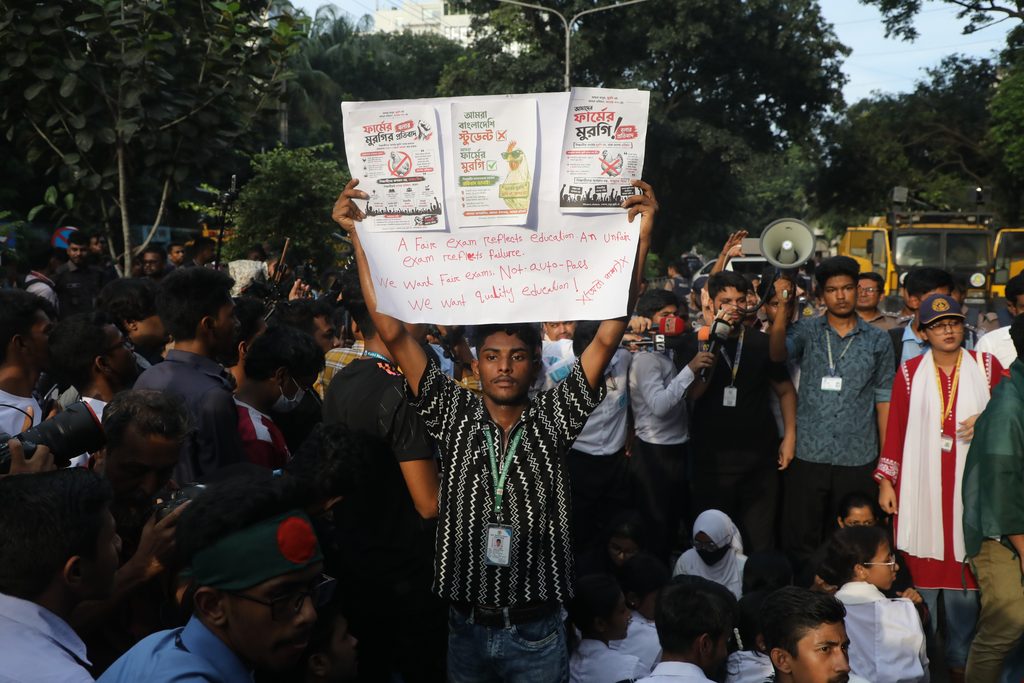
Previous youth-led movements demonstrate that street mobilisation can produce political consequences, but outcomes vary. Bangladesh and Nepal experienced major political changes following youth-driven protests, while movements elsewhere have secured policy concessions without necessarily achieving their broader demands. Sustaining momentum after demonstrations subside remains a separate challenge.
The spread of these protests should therefore not be understood as a single, centrally organised global uprising. Rather, it reflects a series of national movements that share some concerns while operating within different political systems and economic conditions.
For governments, the challenge extends beyond managing crowds. Responding to demands for accountable institutions, credible elections, accessible education and economic opportunity may be essential to rebuilding public confidence. For youth movements, the longer-term test is whether mobilisation can produce durable reforms, representative leadership and practical policy alternatives.
The scale of the demonstrations is significant, but their political legacy will depend on what follows the streets: institutional responses, negotiated changes and the ability of young citizens to sustain engagement beyond a moment of public anger.
Sources: Deutsche Welle; Reuters; Associated Press; CIVICUS, 2026 State of Civil Society Report.
